 Semiahmoo
 Blaine's Waterfront Climate Puts Real Stress on Siding
Blaine sits right on Semiahmoo Bay and Drayton Harbor, in the far northwest corner of Whatcom County. That location is beautiful, and it's also demanding on a home's exterior. Salt-laden air moves in off the water almost daily, wind-driven rain hits west- and south-facing walls at an angle instead of falling straight down, and the long, gray Pacific Northwest winter keeps siding damp for weeks at a stretch. Add a shaded lot or a lot of tree cover, and moss and algae get a serious head start every year.
None of that is unusual for this part of Washington. But it does mean siding installation in Blaine isn't a generic job you can approach the same way you would in a dry inland climate. The product, the water-management details behind it, and the installer's attention to flashing and gaps matter more here than almost anywhere else in the state.
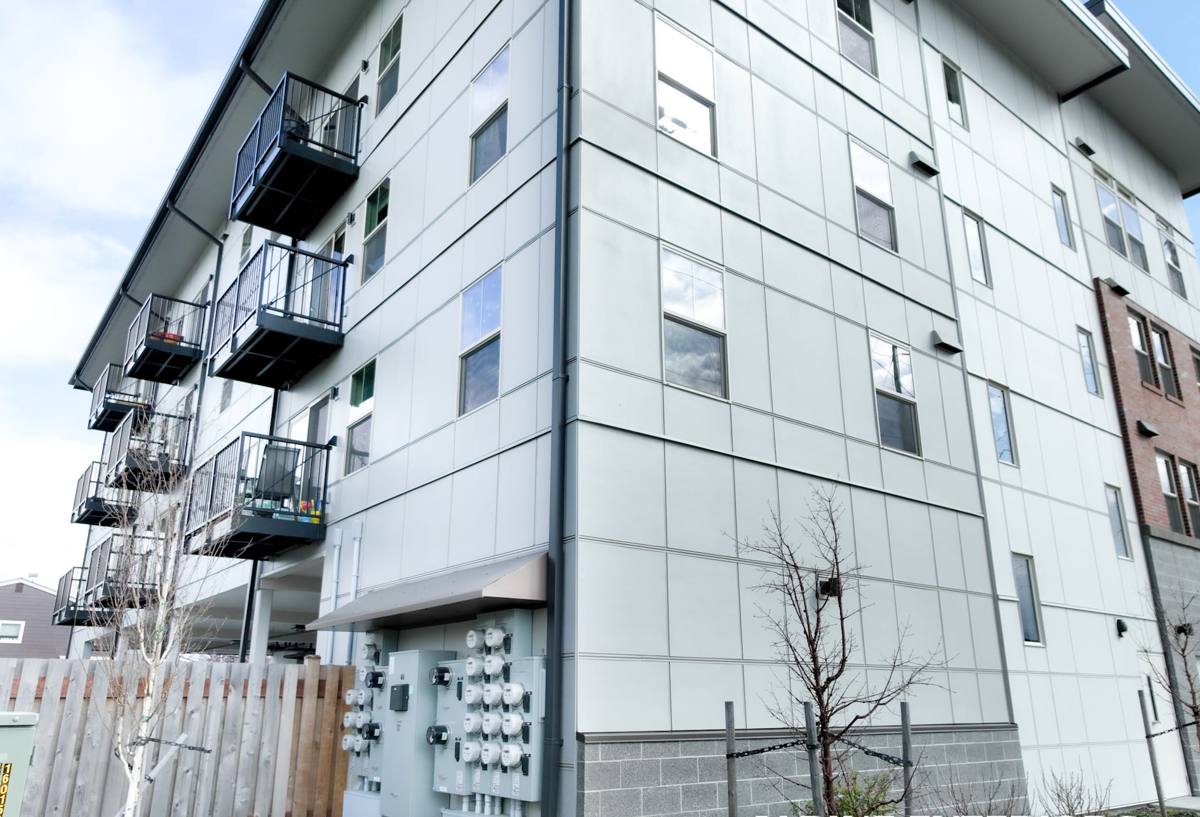
What Salt Air and Driving Rain Actually Do to a Wall
Salt Air
Airborne salt is corrosive to exposed metal fasteners, flashing, and trim, and it accelerates the breakdown of some paint and coating systems over time. It also holds moisture against surfaces longer than dry inland air does, which keeps wood-based and moisture-sensitive materials wet more often than their manufacturers' testing typically assumes.
Driving Rain
Wind off the bay doesn't just fall on a roof and run off — it pushes rain sideways into laps, seams, and any gap around windows, doors, and penetrations. A siding system that relies on paint or caulk alone to keep water out, rather than proper overlap, flashing, and drainage behind the cladding, will eventually let water in. Once water gets behind siding in a coastal wind pattern like Blaine's, it often doesn't dry out quickly, because the air outside is damp too.
Moss and Algae Season
Whatcom County's mild, wet stretch from fall through spring is a long window for moss and algae to establish themselves on any siding surface that stays damp — especially on north-facing walls, under eaves, and near landscaping. Some siding materials resist this better than others, and the finish matters as much as the base material.
What a Correct Siding Installation Involves in This Climate
The material you choose matters, but installation quality is what actually determines whether a wall stays dry for the next 20-30 years. In Blaine, we pay particular attention to:
- Weather-resistive barrier and drainage plane — a continuous, properly lapped barrier behind the siding so any water that does get past the cladding has somewhere to go besides the sheathing.
- Flashing at every penetration — windows, doors, hose bibs, light fixtures, and vents all need flashed correctly, not just caulked, because caulk alone fails long before flashing does.
- Proper clearances — siding held up off decks, patios, and grade, and away from roof lines, so splashback and standing moisture don't sit against the bottom edge of the material.
- Correct fastening — the right fastener type, spacing, and depth for the specific product, since over-driven or corrosion-prone fasteners are one of the most common causes of early siding failure near saltwater.
- Sealed and back-primed cut edges — any factory edge that gets cut on site needs to be sealed before it's installed, not after, or it becomes a moisture entry point.
These details are invisible once the job is finished, which is exactly why they're the details that separate a siding job that lasts three decades from one that needs attention again in five to seven years.
Why We Only Install James Hardie Fiber Cement
We standardized on James Hardie fiber cement siding for every installation we do, including here in Blaine, and we don't install vinyl, LP SmartSide, or other engineered wood or fiber cement alternatives. That's not a marketing position — it's a decision based on what holds up in a coastal, wet-winter climate like this one.
James Hardie's HZ5 product line is engineered specifically for climates with more moisture exposure, and fiber cement itself is non-combustible and dimensionally stable in a way that vinyl and wood-based products aren't. It doesn't warp, buckle, or soften when it stays damp, which matters a great deal on a lot that gets driving rain off the water for half the year. The factory-applied ColorPlus finish is baked on under controlled conditions and holds color and resists moss and mildew better than field-applied paint, which matters when the alternative is repainting siding every several years in a climate that doesn't give paint many dry days to cure.
We're upfront that fiber cement costs more up front than vinyl and takes a more experienced crew to install correctly — it's heavier, it has to be cut and fastened to spec, and the water-management details behind it aren't optional. But for a wall that's going to face Semiahmoo Bay weather for the next several decades, we think that trade-off is worth it, and we'd rather turn down work than install a product on this coastline that we don't think will hold up.
Our Installation Process for Blaine Homes
- On-site assessment — we look at your home's exposure (which walls face the water and prevailing wind), existing moisture damage, current siding condition, and any trouble spots around windows, trim, or roof-wall intersections.
- Tear-off and sheathing check — removing the old siding lets us actually see the sheathing underneath and catch rot or hidden moisture damage before it's covered up again.
- Weather-resistive barrier installation — a new, continuously lapped barrier goes on before anything else, giving the wall a real second line of defense.
- Flashing at all penetrations — windows, doors, and anything else that breaks the plane of the wall gets properly flashed, not just caulked.
- James Hardie panel or lap installation — installed to the manufacturer's fastening schedule and clearance requirements, with cut edges sealed on site.
- Trim, caulking, and final detailing — the finish work that keeps water moving off the wall instead of into it.
- Walkthrough — we go over the finished work with you before we consider the job done.
Cost Factors for Siding Installation in Blaine
Every home is different, but the factors that most affect the scope and cost of a siding installation here tend to fall into a few categories:
| Factor | Why It Matters in Blaine |
|---|---|
| Home size and wall complexity | More corners, dormers, and roof-wall intersections mean more flashing detail and labor |
| Existing sheathing condition | Coastal moisture exposure means tear-off sometimes reveals damage that needs repair before new siding goes on |
| Wind/rain exposure of the lot | Walls facing the bay or open water may need extra attention to flashing and drainage detailing |
| Trim and accessory scope | Corner boards, window trim, and fascia work add to material and labor |
| Access and site conditions | Waterfront and hillside lots can affect staging, scaffolding, and material delivery |
Signs Your Current Siding Is Already Losing the Fight
- Persistent moss or algae streaking, especially on shaded or north-facing walls
- Soft spots, bubbling, or visible warping in the siding material
- Paint that's peeling or failing faster than it should, especially on walls facing the water
- Visible gaps or cracked caulk around windows, doors, or trim
- Musty smell or discoloration on interior walls that back up to exterior siding
- Rust staining around fasteners or trim
Any one of these on its own isn't necessarily an emergency, but they're all worth having looked at before they turn into sheathing or framing damage, which is a much more expensive repair than siding replacement alone.
Why Hiring a Crew That Already Works This Coastline Matters
Siding installation isn't the same job everywhere in Washington. A crew used to dry-side or inland conditions may not default to the flashing and drainage detailing that a bay-front, high-rain, high-salt environment like Blaine actually requires — not because they're careless, but because it's simply not what their normal jobs demand. A crew that regularly works Whatcom County's coastal communities already knows which walls need the most attention, how prevailing wind off the water tends to drive rain into a building, and where moss and moisture problems typically start on homes like yours.
That local experience shows up in the small decisions made on site — how a flashing detail gets handled at a window that faces the bay, how much clearance gets left at grade, which fastener spacing actually holds up after a few winters of salt exposure. Those are the decisions that determine whether a siding job is still performing well in year 20, not just year one.
What to Expect After Installation
James Hardie siding installed to spec doesn't need much from you, but a little routine attention goes a long way on a waterfront lot. Rinse off salt spray and debris periodically, keep landscaping trimmed back so walls get some airflow and sun exposure, and check caulking at trim and penetrations every couple of years since caulk is a maintenance item on any siding system, regardless of the base material. Beyond that, correctly installed fiber cement siding is one of the lower-maintenance options available for a climate like this one.
Questions to Ask Any Siding Contractor Before You Hire
- Are you licensed and insured to work in Washington, and can you provide proof?
- Who is actually manufacturer-certified to install the product you're proposing?
- What's your plan for flashing around windows, doors, and other penetrations?
- What weather-resistive barrier do you use, and how is it lapped and sealed?
- What does your warranty cover, and is it transferable if you sell the home?
- Can you walk me through why you're recommending this specific product for my home's exposure?
If a siding installation is on your radar for a home in Blaine, we'd be glad to take a look and give you a straightforward, no-pressure estimate — including an honest read on what your home's exposure actually needs, not just a standard package. Use the form below to get started.