 Semiahmoo
 Peace Arch Sits Right at the Edge of the Weather
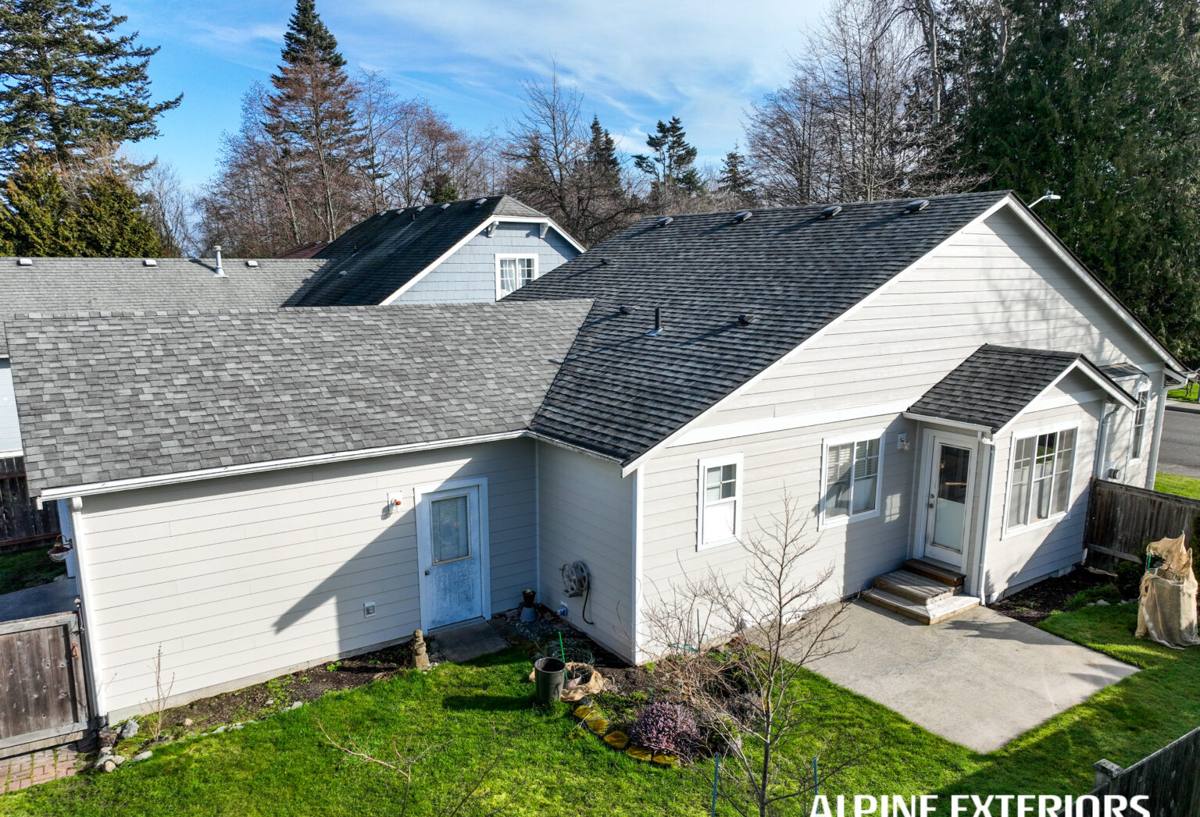
Homes in and around Peace Arch face a specific combination of conditions that a lot of siding products simply weren't built for: salt-laden air drifting in off Semiahmoo Bay, long stretches of driving rain off the Strait, and a moss season that can run most of the year in the shadiest, north-facing corners of a lot. None of that is unusual for Whatcom County, but the closer a home sits to the water, the more concentrated the exposure gets. A house a half mile inland can go years without much trouble while a home closer to the shoreline is already showing paint failure, soft trim, or streaking on the north wall.
We work this area regularly, and the pattern repeats itself house after house: siding problems here are rarely one big failure. They're slow, cumulative damage from moisture and salt working into small gaps, seams, and unprotected wood over years. That's the lens we bring to every estimate in Peace Arch — not just "what does this house need today" but "what is this specific lot's exposure doing to the exterior over the next twenty years."
What Salt Air and Marine Exposure Actually Do to a House
Corrosion and Fastener Failure
Salt in the air accelerates corrosion on anything metal — nail heads, flashing, hose bibs, light fixtures, even the fasteners holding siding panels in place. On homes finished with lower-grade materials, corroding fasteners can telegraph through the surface as rust streaks, and once a fastener starts to fail, water finds a new way in behind the cladding.
Moisture That Doesn't Fully Dry Out
Coastal humidity plus long rainy stretches means exterior surfaces here don't always get a full drying cycle between storms the way they might further inland. Materials that absorb moisture — untreated wood, some engineered wood products, poorly sealed panel edges — stay damp longer, which is exactly the environment mold, rot, and moss need to take hold.
Moss, Algae, and Constant Shade
Peace Arch's tree cover and marine layer keep a lot of exterior walls shaded and damp for large parts of the year. That's ideal growing conditions for moss and algae, which hold moisture against the surface underneath them and, over time, can degrade paint films and softer sidings faster than sun-exposed walls on the same house.
Why We Install Only James Hardie Fiber Cement Here
We made the decision years ago to stop installing vinyl, LP SmartSide, and other engineered wood or composite sidings, and we don't install cedar or primed spruce either. That's not a marketing position — it's a practical one, built around what actually holds up in conditions like Peace Arch sees. James Hardie fiber cement is cement, sand, and cellulose fiber. It doesn't absorb water the way wood-based products do, it doesn't feed mold or rot, and it's non-combustible, which matters more every fire season in this region.
The HZ5 Climate Engineering
Hardie engineers its products for different climate zones, and the Pacific Northwest falls under the HZ5 line, formulated specifically for higher moisture exposure. That's a meaningful difference from a one-size-fits-all siding product — the formulation itself is built around the reality of extended wet seasons rather than a generic climate.
ColorPlus Factory Finish
Most of what we install carries Hardie's ColorPlus finish — a factory-applied, baked-on finish that holds color and resists fading far better than field-applied paint, and it comes with its own finish warranty. In a salt-air environment where paint failure is one of the most common complaints we see on older homes, a factory finish engineered to handle UV and moisture cycling is a real advantage, not a cosmetic upgrade.
What This Means Long-Term
Fiber cement won't rot, won't attract wood-boring insects, and holds up to the freeze-thaw swings and driving rain that define a coastal Whatcom County winter. Paired with correct installation — proper clearances, flashing, and fastening — it's built to go decades without the recurring maintenance cycle that wood and some composite products require.
It's Not Just Siding — The Whole Exterior Takes the Same Beating
We handle siding, roofing, windows, and decks, and in a place like Peace Arch, those four systems are more connected than most homeowners realize. Roofing that's past its service life lets moisture into the wall assembly from above. Aging windows leak air and water at the frame, which shows up as staining or soft trim on the siding around them. Decks exposed to the same rain and shade patterns face their own moss and moisture issues, and a deck ledger that isn't flashed correctly can become a chronic leak point into the house itself.
When we look at a Peace Arch home, we're looking at the whole envelope, not just the wall cladding. A siding replacement is also the right time to check flashing at every roof-to-wall transition, confirm window flashing is doing its job, and make sure decks attached to the house aren't quietly feeding moisture into the structure.
Why a Local Crew Matters More Here Than It Sounds Like It Should
Semiahmoo and the surrounding Whatcom County coastline don't behave like a generic Pacific Northwest climate on paper. Exposure varies block by block depending on how close a lot sits to the water, how much tree cover it has, and which direction its walls face. A crew that works this area regularly starts to recognize which homes need extra attention at the north wall, which lots need more aggressive moss prevention, and where salt exposure tends to hit fastener and flashing details hardest.
That local knowledge also matters for permitting and code. Whatcom County and the local jurisdictions around Semiahmoo have their own permit requirements and inspection expectations for exterior work, and a crew that pulls permits here regularly isn't guessing at what an inspector will want to see.
- Familiarity with which walls and elevations in Peace Arch tend to take the worst weathering
- Established relationships with local permitting offices, so projects don't stall on paperwork
- Direct experience matching Hardie color and trim details to the area's homes
- Accountability — a local, licensed crew that's still reachable years after the job is done
How a Siding Project Actually Runs, Start to Finish
- Walk-through and exterior assessment — we look at the whole envelope: siding, trim, flashing, roof edges, deck ledgers, and window perimeters, not just the material itself.
- Moisture and damage check — soft spots, staining, or evidence of past leaks get investigated before anything is priced, since hidden sheathing damage changes the scope.
- Product and color selection — Hardie panel or lap profile, ColorPlus color, and trim details chosen to fit the home and the neighborhood.
- Tear-off and prep — old siding comes off, sheathing is inspected and repaired as needed, and a weather-resistive barrier is installed correctly before anything new goes up.
- Flashing first — windows, doors, and all penetrations get properly flashed before siding closes them in. This step is where most long-term leak problems get prevented or created.
- Installation to Hardie's specifications — correct fastener type, spacing, and clearances, which is what actually determines whether the warranty holds and the siding performs as designed.
- Final walk-through — trim, caulking, and touch-up paint reviewed with the homeowner before we call the job done.
What Drives the Cost of a Project Like This
Every home is different, but the same handful of factors move the price up or down on most Peace Arch siding, roofing, window, and deck projects:
| Factor | Why It Matters |
|---|---|
| Extent of hidden moisture damage | Rotten sheathing or framing found during tear-off has to be repaired before new siding goes on |
| Home size and wall complexity | More corners, dormers, and roof-wall transitions mean more flashing detail and labor |
| Siding profile and trim detail | Board-and-batten, shake-style panels, and custom trim cost more than standard lap siding |
| Scope beyond siding | Bundling roofing, window, or deck work into one project can reduce overlap in labor and staging |
| Access and site conditions | Tight lots, steep grades, or limited staging area affect labor time |
Maintaining a Fiber Cement Exterior in a Marine Climate
One of the advantages of switching to Hardie fiber cement is how little ongoing maintenance it actually needs compared to wood or engineered wood siding, but "low maintenance" isn't "no maintenance," especially this close to the water.
- Rinse siding annually to clear salt residue, pollen, and organic buildup before it accumulates
- Trim back vegetation and tree limbs that keep walls shaded and damp longer than necessary
- Check and clear gutters each fall so overflow isn't running down the siding face
- Inspect caulking at trim joints and penetrations every year or two and re-caulk as needed
- Address any moss or algae growth early, before it holds moisture against the finish
- Have flashing at roof lines, windows, and decks checked periodically, since flashing failures are usually invisible until water damage shows up inside
Getting Started
If you're weighing a siding, roofing, window, or deck project on a Peace Arch home, we're happy to walk the exterior with you, point out what the salt air and moss season have actually done to your specific house, and lay out honest options — not a one-size-fits-all pitch. Reach out for a free, no-pressure estimate, and we'll give you a straight read on what your home needs and what it doesn't.