 Semiahmoo
 Siding in Wiser Lake: Built for What Whatcom County Weather Actually Does
Wiser Lake sits inland from the coast, but "inland" in Whatcom County doesn't mean sheltered. Homes here still catch salt-laden air moving off the Strait of Georgia and Semiahmoo Bay, still sit under a marine layer for a good chunk of the year, and still deal with the long, gray stretch of fall through spring when siding rarely gets a chance to fully dry out between rain events. Add the tree cover that makes this area attractive to live in — and you've got a recipe for near-constant shade, damp air pockets, and moss that doesn't quit. That combination is exactly what breaks down the wrong siding material faster than most homeowners expect.
We're a local exterior contractor working siding, roofing, windows, and decks across Semiahmoo and the surrounding Whatcom County communities, including Wiser Lake. This page covers what we actually see on homes out here, what we install, and why.
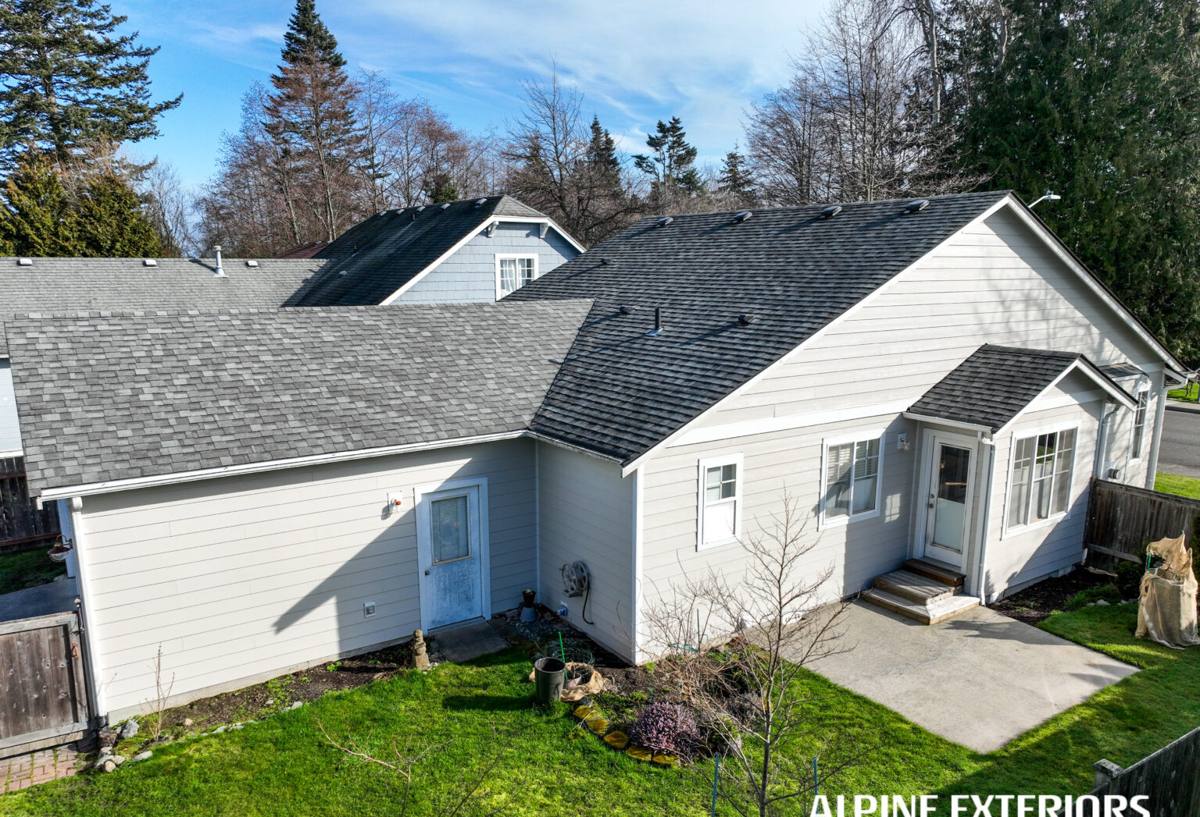
What the Climate Does to a House Over Time
Salt Air, Even Away From the Water
You don't have to be waterfront to feel the effects of salt air. Prevailing winds off the Strait carry fine salt particulate well inland, and it settles on exterior surfaces year-round. On untreated or poorly sealed wood-based siding, that salt accelerates moisture absorption at the surface. On metal fasteners and trim, it accelerates corrosion. Over years, it's a slow, cumulative wear pattern more than a single dramatic event — which is exactly why it gets underestimated.
Driving Rain and Wind-Driven Moisture
Storms coming off the water don't just drop rain straight down — wind pushes it sideways into wall assemblies, especially on the west- and southwest-facing elevations of a home. That means siding seams, butt joints, and penetrations around windows and doors take more direct water exposure here than they would in a drier, calmer climate. A siding product's ability to shed that water — and a crew's attention to flashing and joint detail — matters more in Wiser Lake than in most of the country.
The Long Moss Season
Shaded lots, tree cover, and persistent moisture add up to an extended moss and algae season — often nearly year-round on north-facing walls and anywhere sun doesn't reach consistently. Moss holds moisture against the siding surface, which is a problem for any material that can absorb water or swell, and it's a maintenance headache no matter what's on the wall. The question isn't whether moss will try to grow on your siding here — it's how the material underneath handles that constant damp contact.
Why We Install Only James Hardie Fiber Cement
We don't install vinyl, LP SmartSide, Cemplank, Allura, primed spruce, or cedar. That's a deliberate standard, not a matter of not offering options. Here's the honest reasoning:
- Vinyl can look fine going up, but it's a thin plastic product that expands and contracts with temperature swings, can crack in cold snaps, and doesn't hold paint if you ever want to change the color. In a marine climate with real seasonal temperature range, that expansion cycling shows up as buckling and gapped seams over time.
- Wood-based composite and engineered wood siding (like LP SmartSide) perform reasonably in drier regions, but they rely on factory sealants and careful field-sealing of every cut edge to keep moisture out. Miss one cut edge, and in a climate with this much sustained dampness, that's where rot starts.
- Cemplank and Allura are fiber cement competitors to Hardie, and fiber cement as a category is the right call for this climate. But formulation and manufacturing quality control vary between brands, and we've standardized on the one with the longest track record and the strongest factory finish system.
- Primed spruce and cedar are traditional, and cedar in particular has real aesthetic appeal — but both are organic wood products that need consistent repainting or restaining, and both are more vulnerable to the moisture-plus-shade conditions common around Wiser Lake.
James Hardie fiber cement is non-combustible, dimensionally stable (it doesn't expand and contract the way vinyl or wood does), and comes with a factory-applied ColorPlus finish that's baked on rather than field-painted — which means better color retention and a finish that isn't dependent on how well a crew sprayed it on-site that day. Hardie also engineers specific product lines (their HZ5 line, for example) for climate zones like ours, accounting for moisture exposure in the formulation itself. It's the product we're willing to warranty our labor against, because we trust how it performs here.
Siding Options for Wiser Lake Homes
| Product | Best Use | Why It Fits This Climate |
|---|---|---|
| HardiePlank lap siding | Most common residential application | Traditional look, factory-sealed edges, holds up to driving rain |
| HardiePanel vertical siding | Modern facades, accent walls, gable ends | Clean lines, fewer horizontal joints for water to work into |
| HardieShingle siding | Craftsman and cottage-style homes | Textured look without the maintenance burden of real wood shingles |
| HardieTrim boards | Window and door surrounds, fascia, corners | Matches the siding's stability; resists the rot that plagues wood trim in shaded, damp spots |
Installation Details That Matter More Here Than Elsewhere
Fiber cement siding is only as good as the installation behind it. In a climate that gives water this many chances to find a way in, a few details separate siding that lasts decades from siding that causes problems in five years:
- Proper flashing at every window, door, and penetration — this is the single biggest factor in whether wind-driven rain stays out of the wall assembly.
- Correct fastener spacing and type — corrosion-resistant fasteners, set to Hardie's specifications, not generic trim nails.
- A drainage plane behind the siding — house wrap and rainscreen detailing that let any moisture that does get past the siding drain and dry out instead of sitting against the sheathing.
- Sealed and primed cut edges — factory edges come pre-primed, but every field cut needs to be sealed before installation, no exceptions.
- Adequate clearance from grade, decks, and roof lines — siding installed too close to the ground or to a roof surface stays wet longer and invites moss and rot regardless of material.
This is where a local, experienced crew earns its keep. Installers who don't work in wet coastal climates day in and day out sometimes treat these details as optional. Around here, they're not.
Beyond Siding: Roofing, Windows, and Decks
Siding doesn't work in isolation — it's one piece of a home's exterior envelope. We also handle:
Roofing
A roof in poor condition sends water down behind siding and trim, no matter how well the siding itself is installed. Moss on the roof is often the same story as moss on north-facing walls — persistent shade and moisture — and it needs the same attention.
Windows
Window flashing integration with new siding is one of the most common failure points we see in older installations. When we're doing siding work, we check window flashing and seal condition as a matter of course, and we install and replace windows directly when that's the better fix.
Decks
Decks in this climate face the same moss, moisture, and salt exposure as siding, plus direct foot traffic and standing water risk. Materials and fastening choices matter just as much here as they do on the walls of the house.
Signs Your Wiser Lake Home May Need Siding Attention
- Persistent moss or algae staining that comes back within a season of cleaning
- Soft spots, bubbling, or visible swelling, especially near the bottom courses or around windows
- Paint that's peeling or alligatoring faster than a normal repaint cycle would suggest
- Visible gaps at seams or corners, particularly after a stretch of cold weather
- Rising energy bills that might point to a compromised weather barrier behind the siding
None of these are emergencies on their own, but they're worth a look before they turn into sheathing or framing repairs, which cost considerably more than a siding fix.
What a Siding Project Looks Like
Every home is different, but a typical replacement follows the same general sequence: an on-site inspection to assess the existing siding and any moisture damage underneath, removal of the old material, inspection and repair of sheathing and framing as needed, installation of a proper weather-resistive barrier, and then the Hardie siding itself with correctly detailed flashing and trim. Timelines depend on the size of the home and weather windows — and in this region, we plan around the wet season rather than fight it.
Cost varies by home size, siding profile, trim complexity, and how much of the underlying structure needs attention once the old siding comes off. We'd rather give you an honest number after actually looking at your home than a broad estimate that doesn't hold up.
If you're in Wiser Lake and want a straight answer on what your siding needs — whether that's a full replacement, a smaller repair, or just an honest inspection — we're glad to take a look. Reach out for a free, no-pressure estimate using the form below.