 Semiahmoo
 Deck Building for California Creek Homes
California Creek sits close enough to Semiahmoo Bay and Drayton Harbor that every outdoor structure on a property deals with the same combination of conditions: salt-laden air drifting off the water, long stretches of driving rain through fall and winter, and a moss season that can run half the year in shaded, north-facing yards. A deck built here isn't just a place to put a grill and a couple of chairs — it's a structure that has to shed water fast, resist corrosion in its fasteners and hardware, and stay walkable when everything around it is damp and green. Building one that holds up takes different choices than building the same deck somewhere inland and dry.
This page covers what actually matters for a California Creek deck project: the materials that hold up to this specific climate, the structural details that get skipped on rushed jobs, how we run the work from first visit to final walkthrough, and what it takes to keep a deck looking and performing well once it's built.
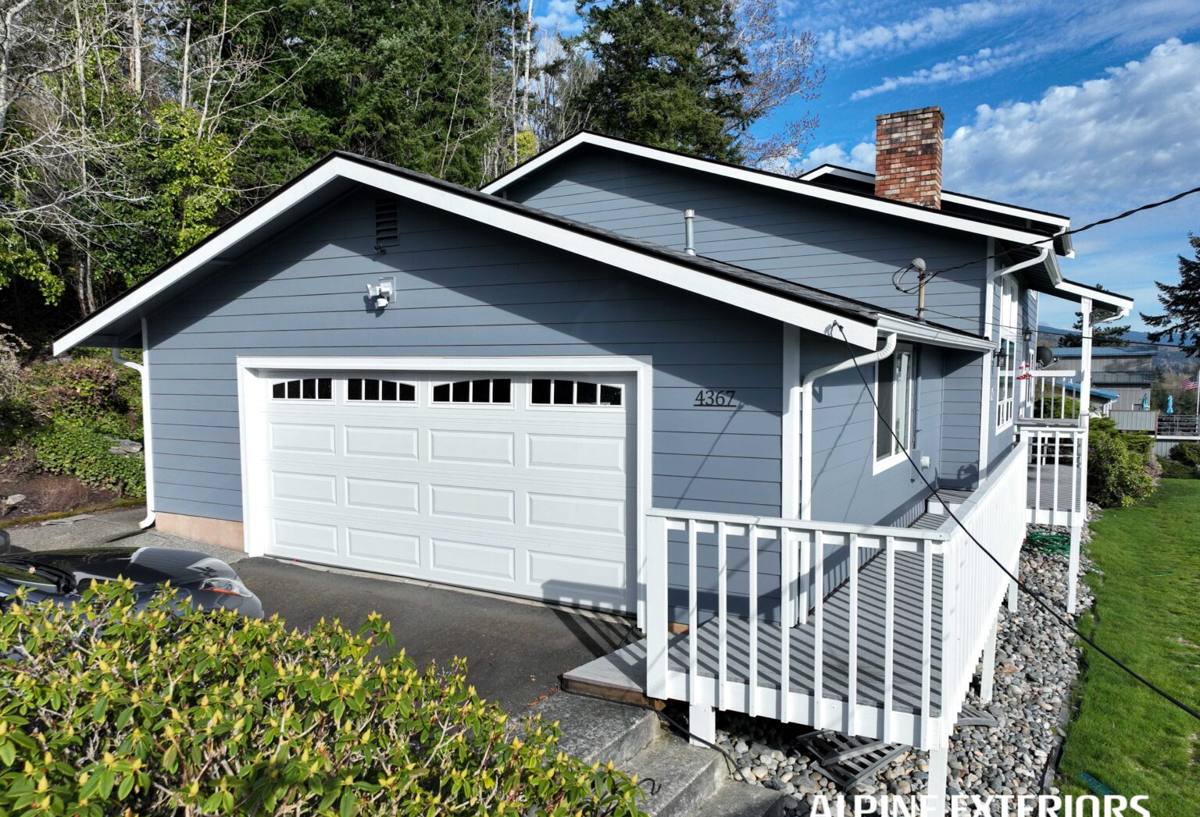
What This Climate Actually Does to a Deck
Whatcom County's marine climate is mild, which is part of why people build decks here in the first place — but mild doesn't mean gentle on materials. Three things do most of the damage over time:
- Salt air accelerates corrosion on any metal that isn't rated for it — nails, screws, joist hangers, post bases, and railing hardware all take a hit faster near the water than they would twenty miles inland.
- Driving rain doesn't just fall straight down here; wind off the bay pushes it sideways into ledger connections, stair stringers, and any horizontal surface that isn't properly sloped or flashed.
- Moss and algae take hold anywhere moisture sits and sunlight is limited, which describes a lot of decking surfaces under trees or on the shaded side of a house. Once moss establishes, boards stay damp longer, which speeds up rot in wood and can make any decking surface slick underfoot.
None of this means a deck can't be built well in California Creek — it means the material choices, fastener grades, and drainage details have to be picked for this environment specifically, not just pulled from a generic build sheet.
Choosing Decking Material for a Salt-Air, Moss-Prone Site
There's no single "best" decking material for every yard — the right call depends on sun exposure, budget, and how much upkeep an owner actually wants to do. Here's how the common options compare for a property like this:
| Material | How It Handles Rain & Moss | Salt Air Resistance | Maintenance |
|---|---|---|---|
| Pressure-treated wood | Needs a maintained finish to shed water; bare wood absorbs moisture and grows moss quickly in shade | Fine if hardware is corrosion-rated | Annual cleaning, periodic sealing |
| Cedar | Naturally moisture- and insect-resistant, but still needs finish to fight moss staining and graying | Good, holds up well near the coast | Regular cleaning and refinishing to keep color |
| Composite decking | Sheds water well, doesn't absorb moisture into the board, easier to keep moss from taking hold | Very good — no wood grain for salt to work into | Occasional wash-down, no sealing or staining |
| PVC decking | Fully water-resistant surface, least hospitable to moss growth | Excellent | Lowest — soap and water as needed |
We don't push one product on every job. A shaded lot near the creek with heavy moss pressure is a strong case for composite or PVC decking, where the surface itself resists the conditions that cause the most trouble. A sunnier, more open lot can do well with cedar or treated wood if the owner is willing to keep up a cleaning and sealing schedule. What we won't do is install a wood deck in a heavy-moss location without being upfront that it'll need more attention than the composite alternative — that's a maintenance trade-off worth knowing before the build starts, not after.
Fastener and Hardware Grade Matters as Much as the Decking
A deck is only as good as what's holding it together, and this is where a lot of corner-cutting happens because it's invisible once the boards go down. In a salt-air environment, we specify stainless steel or heavy hot-dip galvanized fasteners and connectors rated for coastal exposure — standard electro-galvanized hardware corrodes noticeably faster this close to the water, and a rusted joist hanger or post base is a structural problem, not a cosmetic one.
The Structural Details That Actually Determine Lifespan
The decking surface is what everyone sees, but the framing underneath is what determines whether the deck is still solid in fifteen years. For a California Creek build, we pay particular attention to:
- Ledger flashing — where the deck attaches to the house is the single most common failure point on decks in wet climates. Proper flashing keeps driving rain from working its way behind the ledger board and into the house framing.
- Footing depth and drainage — footings need to be set below frost depth and, just as important here, positioned so they're not sitting in a low spot that collects standing water.
- Joist spacing and board gapping — correct gapping between boards lets water drain through instead of pooling, which matters directly for moss prevention.
- Post base connections — posts should sit on elevated hardware, not buried in or resting directly on concrete, so they're not sitting in moisture after every rain.
- Stair and railing hardware — high-touch, high-load points that need corrosion-rated fasteners even more than the field of the deck.
These are the details that separate a deck that needs major repair in eight years from one that's still tight and safe in twenty-five.
Our Deck Building Process
We run every California Creek deck project through the same sequence, adjusted for the specific lot and structure:
- Site walk and assessment — we look at sun exposure, drainage patterns, existing moss or moisture problems on the property, and how the deck will tie into the house.
- Design and material selection — layout, size, and material recommendations based on the site conditions and the owner's budget and maintenance preference.
- Permitting — deck permitting requirements depend on size, height, and attachment to the structure; we handle the paperwork with the applicable local jurisdiction.
- Framing and ledger installation — including proper flashing and corrosion-rated hardware throughout.
- Decking, railing, and stairs — installed to the manufacturer's spec for the chosen material, with attention to board gapping for drainage.
- Final walkthrough — we go over the finished deck with the owner, including what maintenance the specific material will need.
Keeping a Deck Clean in a Moss-Prone Environment
Whatever material a deck is built from, a little regular upkeep goes a long way in this climate. A practical seasonal checklist:
- Sweep leaves and debris off the deck surface regularly in fall — trapped organic matter is what moss and algae feed on.
- Rinse or wash the deck surface a few times a year, more often in heavily shaded areas.
- Check that boards are draining properly and not holding standing water after rain.
- Inspect railing and stair connections annually for any sign of loose or corroding hardware.
- For wood decking, plan on resealing on the schedule the finish product calls for — usually every one to three years depending on sun exposure.
- Trim back overhanging branches where possible to cut down on shade and debris that feed moss growth.
Permits and Building in Whatcom County
Most decks above a certain height or attached to the primary structure require a permit, and requirements can vary depending on the specifics of the lot and its proximity to water or critical areas. We handle the permitting process as part of the build so owners aren't left navigating that on their own, and we build to code on every project regardless of whether a given detail is likely to be inspected.
Why Hire a Crew That Already Works in California Creek
A deck built to a generic spec sheet can look fine on the day it's finished and still start failing early because it wasn't built for this specific combination of salt air, driving rain, and moss. Crews who work regularly in this part of Whatcom County know which fastener grades hold up, which materials actually resist moss in shaded lots versus which ones just claim to, and where water tends to collect on lots near the creek and the bay. That local pattern recognition is the difference between a deck that needs its ledger board rebuilt in year six and one that's still solid decades later.
If you're planning a new deck or replacing one that's showing its age, we're happy to take a look at your property and talk through what makes sense for your specific site — no pressure, no obligation. Use the form below to request a free estimate.