 Semiahmoo
 Building a Deck That Actually Holds Up in Point Roberts
Point Roberts sits on its own peninsula at the tip of Boundary Bay, surrounded on three sides by salt water and cut off by land from the rest of Whatcom County. That geography is exactly what makes it a beautiful place to build an outdoor living space — and exactly why a deck built with generic, one-size-fits-all methods tends to disappoint a homeowner here faster than almost anywhere else in the county. Salt-laden air off the water, driving rain that comes in sideways during winter storms, and a moss season that can stretch from October well into spring all put real, measurable stress on decking materials, fasteners, and framing. A deck that would be fine in a drier, more sheltered part of Whatcom County can start showing corrosion, soft spots, or slick moss growth within a couple of seasons out here.
This page is specifically about custom deck construction for Point Roberts properties — what the local conditions demand, what a correctly built deck looks like from the framing up, and what to expect when you hire a crew for the job.
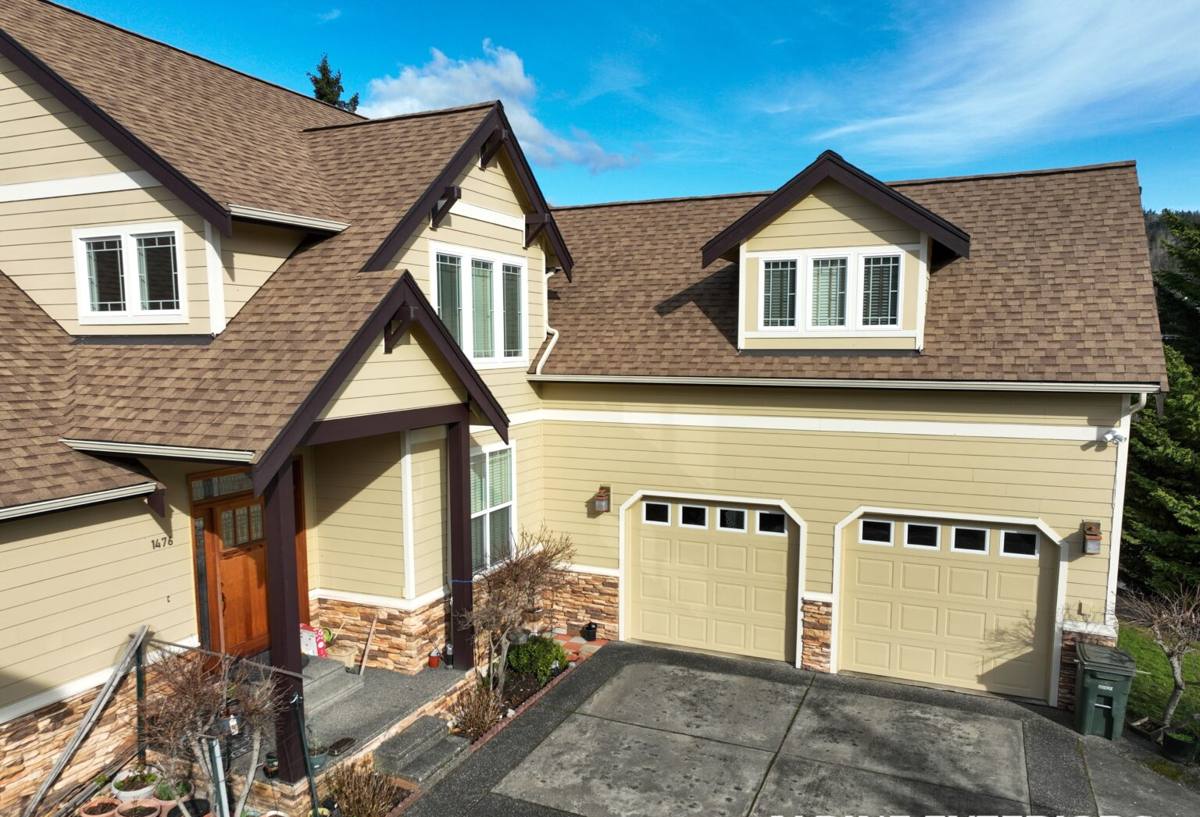
Why Point Roberts Decks Need Different Decisions Than a Typical Build
Salt Air and Corrosion
Proximity to salt water accelerates corrosion on any fastener, bracket, or metal flashing that isn't rated for it. On a standard build inland, mid-grade galvanized hardware might last for decades. Near Boundary Bay, that same hardware can start rusting and staining the decking around it within a few years. This shows up first as small rust streaks bleeding out from screw heads and joist hangers — a cosmetic issue at first, but a sign the metal is breaking down underneath.
Driving Rain and Moisture Intrusion
Storms coming off the Strait of Georgia don't fall straight down — they drive sideways into ledger boards, stair stringers, and any spot where the deck ties into the house. If flashing and water management details are skipped or done to a minimum standard, water finds its way behind the siding or into the ledger connection, which is one of the most common sources of hidden rot on decks in this region.
A Long Moss Season
Shaded, north-facing, or tree-covered decks in Point Roberts can stay damp for months at a stretch. Moss and algae don't just look bad — they hold moisture against the decking surface and turn boards slick and dangerous underfoot. Deck material choice, board spacing, and even the layout relative to the sun all affect how bad this problem gets.
Material Choices That Make Sense for This Climate
There's no single "right" decking material for every Point Roberts property — it depends on budget, how much sun the deck gets, and how much upkeep you want to do. Here's how the common options actually perform under local conditions:
| Material | Salt air / moisture resistance | Moss & algae behavior | Maintenance |
|---|---|---|---|
| Pressure-treated fir/pine | Good if properly sealed and re-sealed regularly | Prone to moss in shaded spots; needs periodic cleaning | Annual inspection, re-staining every 2–3 years |
| Cedar | Naturally rot-resistant, handles moisture well | Still needs cleaning in damp, shaded areas | Regular oiling/sealing to keep it from graying and cracking |
| Composite decking | Excellent — doesn't absorb moisture or corrode | Can still grow surface algae in deep shade; cleans off easily | Occasional washing, no staining or sealing |
| PVC decking | Excellent, fully moisture-proof | Same as composite — surface growth cleans off, doesn't penetrate | Lowest maintenance of the group |
For decks that sit close to the water or get heavy shade for much of the day, we generally steer homeowners toward composite or PVC boards paired with corrosion-rated hardware — the upfront cost is higher, but it removes most of the moss and moisture headaches that come with wood in this specific environment. Where a homeowner wants the look and feel of real wood, cedar is the stronger long-term choice over pressure-treated framing lumber used as a surface board, provided it gets sealed on a real schedule rather than "when we get around to it."
Structural Details That Separate a Correct Build From a Problem Waiting to Happen
Most deck failures don't start with the decking boards — they start underneath, in details that aren't visible once the project is finished. For Point Roberts specifically, we treat the following as non-negotiable:
- Ledger flashing: A properly integrated flashing system where the deck ties into the house, so driving rain can't work its way behind the siding.
- Stainless or hot-dip galvanized hardware: Rated for coastal exposure, not the minimum-grade fasteners that are fine further inland.
- Joist tape on framing: A moisture barrier over the tops of joists and beams to keep standing water from soaking into end grain and fastener holes.
- Proper board spacing and airflow: Gaps sized to let water drain and air circulate underneath, which slows moss and mildew buildup on the surface.
- Footings sized for local soil and frost conditions: Confirmed for the specific site rather than assumed from a standard plan.
- Stair and railing hardware matched to the same corrosion standard as the rest of the structure — these get handled just as much as the deck surface and see the same weather.
None of this is exotic or unusual construction — it's simply building to the standard the local climate actually requires instead of the minimum a generic plan calls for.
Our Process for a Point Roberts Deck Project
1. Site Visit and Assessment
We look at sun exposure, prevailing wind and rain direction, existing drainage, and how the deck will tie into your home's siding and structure. This is also where we talk through what you actually want to use the space for, since that shapes layout and material recommendations.
2. Design and Material Selection
We put together a design with material options suited to the specific exposure of your property — a shaded, north-facing deck gets different recommendations than one that sits in full sun most of the day.
3. Permitting
Deck construction in Whatcom County typically requires a building permit depending on size and height. We handle that process as part of the project so you're not left navigating it on your own.
4. Construction
Framing, flashing, and hardware go in to the standard described above before any decking boards are installed. We don't skip steps that won't be visible once the project is done — those are the steps that determine how the deck holds up in five or ten years.
5. Final Walkthrough
We walk the finished deck with you, cover how to care for the specific material you chose, and answer questions about maintenance timing for this climate.
Keeping a Point Roberts Deck in Good Shape Through Moss Season
A well-built deck still needs some seasonal attention out here. A simple maintenance rhythm goes a long way:
- Sweep leaves and debris off the surface regularly in fall — trapped organic matter is what feeds moss growth.
- Rinse or lightly scrub shaded areas before moss gets a foothold, rather than after it's established.
- Check fastener heads and metal brackets once a year for early rust staining.
- Reseal or re-stain wood decking on the schedule appropriate to that material — don't wait until it's visibly gray and dry.
- Confirm gaps between boards are clear so water can still drain through, especially after any resealing work.
- Inspect the ledger connection and flashing at the house each year, since that's the highest-consequence spot for hidden water damage.
What Affects the Cost of a Custom Deck Here
| Cost factor | Why it matters in Point Roberts |
|---|---|
| Decking material | Composite/PVC costs more upfront than wood but reduces long-term maintenance in salt air and shade |
| Hardware grade | Coastal-rated stainless or galvanized fasteners cost more than standard-grade but resist corrosion |
| Size and elevation | Taller decks or those requiring engineered footings add framing and permitting complexity |
| Site access and exposure | Waterfront or exposed sites may need extra structural or flashing detail |
| Railing and stair design | Custom railing systems and multi-level layouts add labor and material cost |
We're upfront that a deck built to hold up against Point Roberts conditions will generally cost more than the cheapest version of the same square footage — the difference is almost entirely in hardware grade, flashing detail, and material choice, not in cutting corners elsewhere.
Why It Matters to Hire a Crew That Already Works in Point Roberts
Point Roberts is a peninsula that's only reachable by land through Canada, which means logistics for any construction project here are genuinely different than a job in Blaine or Bellingham. Materials, equipment, and crew all have to cross the border to get to the site, and scheduling has to account for that. A contractor who hasn't worked in Point Roberts before often underestimates this, which shows up as delays, rescheduled deliveries, or rushed work to make up for lost time.
A crew that already works this area understands the border logistics, has a track record building to the corrosion and moisture standards this specific climate demands, and can plan a realistic timeline from the start rather than guessing. That familiarity translates directly into fewer surprises and a deck that's actually built for where it sits — not for a climate two counties inland.
If you're planning a custom deck for a Point Roberts property, we're happy to walk the site with you and talk through what makes sense for your home's exposure and budget. Reach out for a free, no-pressure estimate using the form below.