 Semiahmoo
 Building Decks for Homes Around Drayton Harbor
Homes near Drayton Harbor sit in one of the more demanding spots in Whatcom County for outdoor structures. You get the view and the breeze, but you also get salt-laden air blowing off the water, long stretches of driving rain through the fall and winter, and a moss season that seems to start earlier and last longer every year. A deck built to a generic spec sheet does not hold up well here. A deck built for this specific stretch of coastline does.
We build and repair decks for homeowners around Drayton Harbor and the Semiahmoo area, and the material choices, fastener selection, and framing details we use are shaped directly by what this environment does to wood, metal, and composite over time. This page covers what actually matters for a deck in this location — not a generic checklist, but the decisions that hold up here.
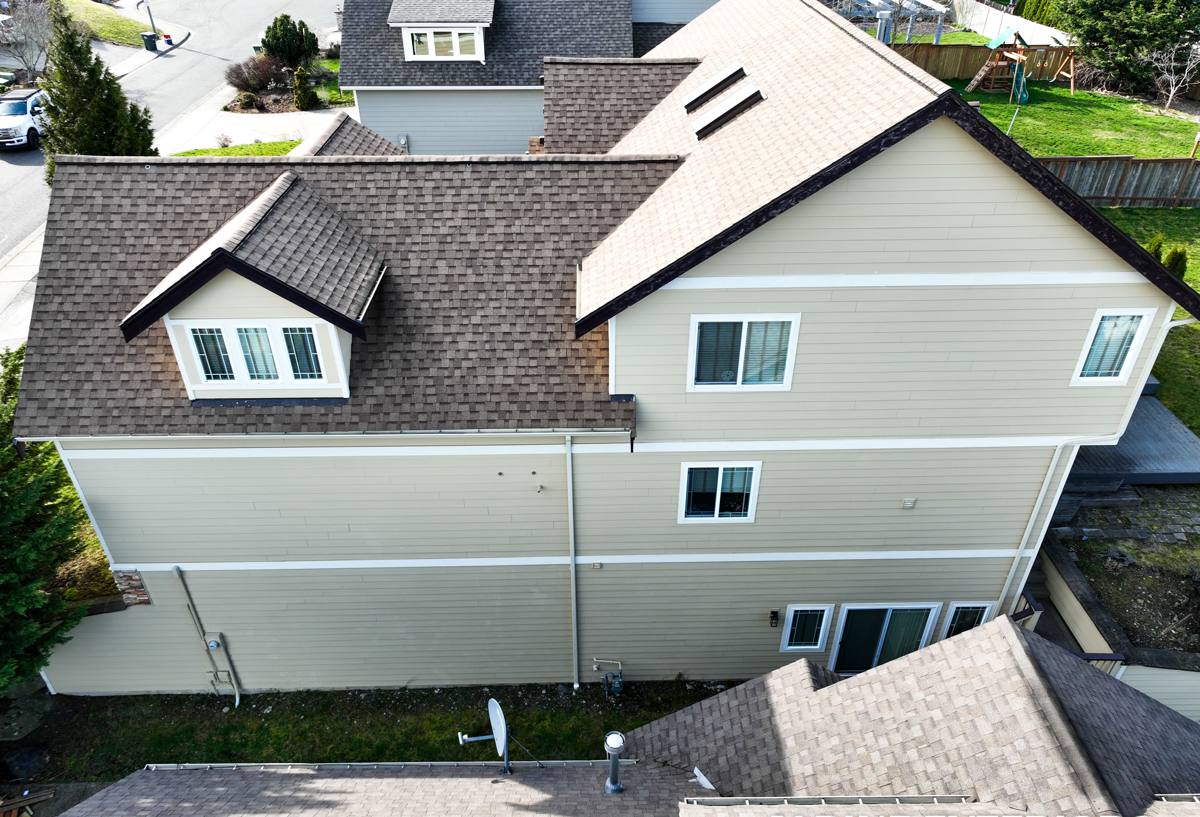
What Salt Air and Harbor Weather Actually Do to a Deck
It helps to understand the specific stresses before talking about solutions.
Salt Air and Corrosion
Airborne salt from Drayton Harbor and the Strait doesn't just affect boats and metal railings on the waterfront — it settles on everything within a mile or more of open water, including deck fasteners, flashing, and hardware. Standard galvanized screws and connectors corrode faster here than they would inland, and once a fastener starts rusting inside a joist, the damage is often hidden until it fails.
Driving Rain and Moisture Cycling
Whatcom County's coastal storms don't just drop rain straight down — wind-driven rain gets pushed sideways into ledger connections, under railing posts, and into any gap where end grain is exposed. Combined with our long wet season, a deck here spends much of the year cycling between saturated and drying, which is exactly the condition that rots wood and delaminates poorly-sealed composite edges.
Moss, Algae, and Shade
Many lots around the harbor have mature trees or sit in the shadow of a home, keeping deck surfaces damp long after a storm passes. That combination of moisture and shade is what moss and algae need to establish. Beyond looking bad, a mossy deck surface is a slip hazard and, on wood, traps moisture against the boards long-term.
Choosing the Right Decking Material for This Climate
There is no single "best" decking material — the right choice depends on your budget, how much upkeep you're willing to do, and how exposed your deck is to wind and salt spray. Here's how the common options actually perform in a Drayton Harbor setting.
| Material | Salt Air Performance | Moss/Moisture Resistance | Maintenance |
|---|---|---|---|
| Pressure-treated wood | Good if fasteners are corrosion-rated; wood itself holds up fine | Needs regular cleaning and re-sealing to resist moss and rot | High — annual cleaning, re-staining every 2-3 years |
| Cedar | Naturally decent rot resistance, but grays and weathers faster near salt air | Still needs cleaning; natural oils fade over time | Moderate to high — periodic oiling or sealing |
| Composite decking | Very good — doesn't corrode or absorb salt | Surface resists rot but can still grow moss/algae film if shaded and damp | Low — occasional washing |
| PVC/capped decking | Excellent — fully sealed surface | Best moisture resistance of the group | Low — occasional washing |
We're honest with clients that composite and capped PVC products cost more up front, and the trade-off isn't just price — it's also about which colors and profiles you like the look of, and how the surface feels underfoot. Wood costs less initially but asks for real, ongoing maintenance if you want it to last in this climate. What we won't do is talk you into a low-maintenance product install without also being upfront about proper fastening and drainage details underneath — the decking surface is only as good as what's holding it up.
Framing and Fasteners That Actually Hold Up Here
The structure underneath the decking is where a lot of Drayton Harbor decks quietly fail, because it's the part nobody sees until there's a problem.
- Joists and beams: Properly rated pressure-treated framing lumber, sized to span and load, not just "what's on the truck."
- Fasteners: Stainless steel or heavy hot-dip galvanized fasteners rated for coastal/high-corrosion use — standard electro-galvanized screws are the wrong call this close to salt air.
- Joist hangers and structural connectors: Matched corrosion rating to the fasteners, not mixed metals that can accelerate galvanic corrosion.
- Ledger board flashing: Correctly flashed and sealed where the deck meets the house, since this is the single most common point of hidden water intrusion on any deck.
- Post bases: Elevated off the concrete or footing so posts aren't sitting in standing water after a storm.
None of this is visible once the deck boards go down, which is exactly why it matters that it's done right the first time. Re-opening a finished deck to fix a rotted ledger connection or a corroded hanger is a much bigger job than doing it correctly during the build.
Railings, Hardware, and the Details People Overlook
Railings and their fasteners take the most direct exposure to wind-driven salt spray, especially on decks with any water view or elevation. Aluminum and properly coated steel railing systems generally outperform basic galvanized options here, and any wood railing components need the same corrosion-rated fastening as the frame below. Post-to-deck connections are a common weak point — they need to be structurally solid, not just screwed to the rim joist, since railings take real lateral load from people leaning on them.
Stair stringers and any ground-contact posts deserve extra attention too. Ground contact-rated lumber, proper footings, and drainage away from the base of each post go a long way toward preventing the kind of slow rot that isn't obvious until a board gives way.
Managing Moss and Long-Term Drainage
Even a well-built deck needs a plan for moss and moisture over its life. A few design and maintenance choices make a real difference in a harbor-adjacent, shaded lot:
- Proper board spacing so water and debris drain through rather than pooling on the surface
- Grading or gravel underneath the deck so the ground beneath doesn't stay saturated
- Keeping nearby vegetation trimmed back so airflow and sunlight can reach the deck surface
- Periodic cleaning with a deck-safe cleaner rather than pressure-washing wood aggressively, which can damage the grain and open it up to more moisture
- Re-sealing or re-staining wood decks on a schedule rather than waiting until it visibly needs it
None of this eliminates the need for maintenance entirely — even composite and PVC decks benefit from an occasional wash to keep algae film from building up in shaded corners. But a deck designed with drainage and airflow in mind needs far less intervention than one that wasn't.
Our Deck Building Process
We keep the process straightforward and give you real information at each step, not just a sales pitch.
- On-site assessment: We look at your lot's exposure — how close to the water, how much shade, prevailing wind direction — before recommending materials.
- Design and material selection: We walk through the trade-offs between wood, composite, and PVC honestly, based on your budget and how much maintenance you want to take on.
- Permitting: We handle the permit process with the applicable local building department, since deck permitting requirements can vary depending on size, height, and attachment to the home.
- Framing: Corrosion-rated fasteners and hardware throughout, proper ledger flashing, and footings set to code.
- Decking and railing installation: Installed to the manufacturer's specifications, which matters especially for composite and PVC warranty coverage.
- Final walkthrough: We go over basic care for whatever material you chose, so you know what upkeep to expect.
Permits and Local Considerations Near the Harbor
Deck projects around Drayton Harbor and Semiahmoo generally require a permit through the applicable Whatcom County or local building department, particularly for decks attached to the home, elevated decks, or anything involving structural changes. Requirements can also touch on setbacks if your property is near shoreline areas. We handle the permit application and inspection process as part of the build so you're not left navigating that on your own — and so the finished deck is documented correctly if you ever sell the home.
A Quick Pre-Project Checklist
- Confirm whether your deck will be attached to the house or freestanding — this affects both structural design and permitting
- Decide how much annual maintenance you're realistically willing to do before choosing between wood and composite/PVC
- Ask any contractor what fastener and hardware grade they use — this matters more here than in most parts of the state
- Consider drainage and shade on your specific lot before finalizing the deck's footprint and orientation
- Get a written scope that specifies framing lumber grade, fastener type, and decking material — not just square footage and price
Why a Crew That Already Works Drayton Harbor Matters
A lot of deck problems we get called to repair started with a crew that built a perfectly fine deck for an inland climate and installed it here without adjusting for salt exposure or drainage. The lumber and fasteners were rated for general use, not coastal use, and within a few years the hardware was rusting and the wood was staying wet longer than it should. Building for this specific stretch of Whatcom County means starting with the right material and fastener specs from day one, not discovering the gap after the deck is already failing.
If you're planning a new deck or need to replace one that's showing its age near Drayton Harbor, we're happy to take a look and talk through honest options for your property. Reach out for a free, no-pressure estimate using the form below.