 Semiahmoo
 Building a Deck That Actually Holds Up in Ferndale
Ferndale sits close enough to the water that salt air is part of daily life, and Whatcom County's rain doesn't take much of a break between October and June. A deck out here isn't just a weekend furniture platform — it's an outdoor structure that spends most of the year wet, shaded part of the day, and coated in a fine film of salt and organic debris the rest of the time. Build it like a deck in Spokane or Sacramento and you'll be re-staining, chasing rot, and scrubbing moss within a couple of seasons. Build it for this climate, and it'll still be solid and good-looking a decade from now.
We work on decks throughout Semiahmoo and Ferndale regularly, which means we're not guessing at how local conditions treat different materials — we're replacing what didn't hold up and building the next one to actually last.
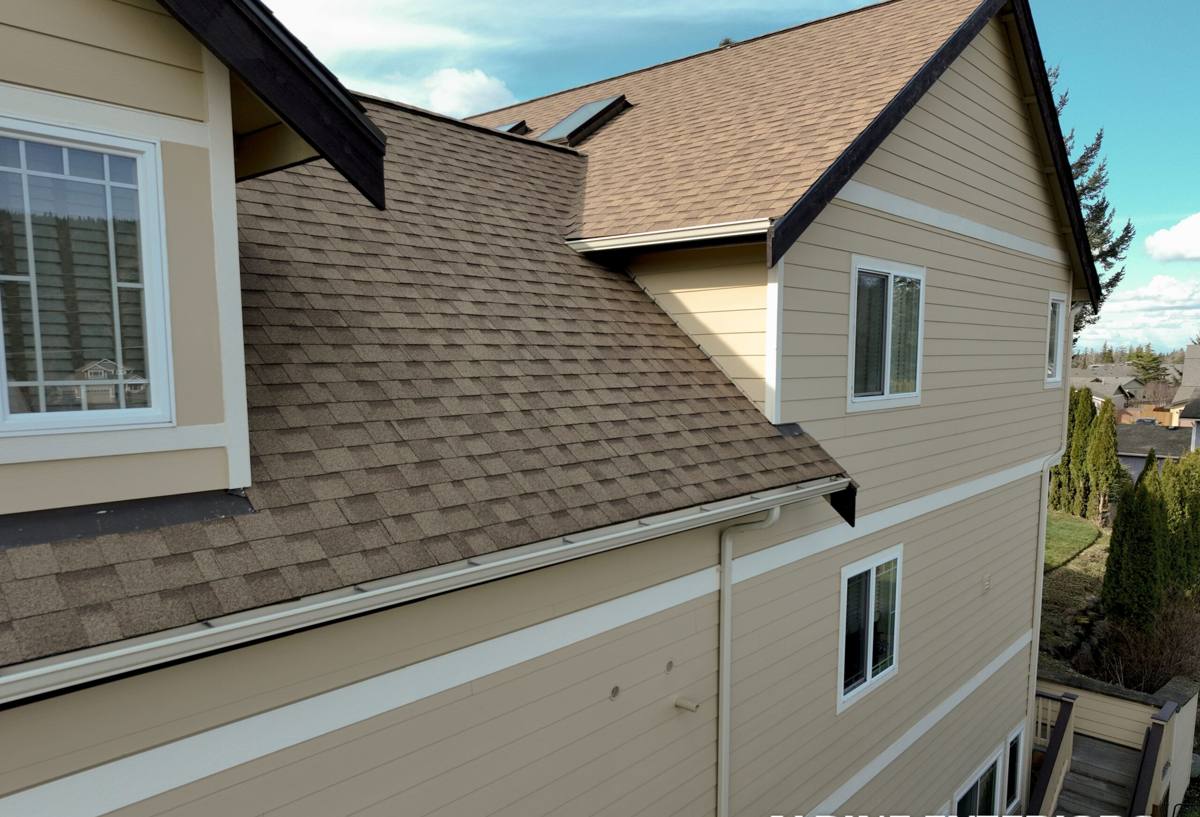
What the Local Climate Does to a Deck
Three things drive almost every deck problem we see in this area:
- Salt-laden air — accelerates corrosion on fasteners, hardware, and any metal components that aren't rated for coastal exposure.
- Driving rain — wind-blown rain gets under railings, into end-grain cuts, and behind ledger boards if flashing isn't done right, leading to hidden rot long before the surface looks bad.
- Extended moss and algae season — shaded, north-facing, or tree-covered decks stay damp for months, which lets moss and algae take hold on horizontal surfaces and makes boards slick and slippery underfoot.
None of these are exotic problems, but they compound. A fastener that corrodes lets water into a joint. That joint stays wet longer because of the extended damp season. The wet wood grows moss and starts to soften. Each issue makes the next one worse, which is why deck failures around here tend to show up first at connection points — ledger boards, post bases, and railing joints — rather than in the middle of open decking.
Decking Material Options for This Climate
Composite and PVC Decking
For most Ferndale homeowners, composite or PVC decking is the lowest-maintenance option in a climate this wet. It doesn't absorb water the way wood does, resists moss growth better on the surface, and doesn't need annual staining. The trade-off is a higher upfront material cost and the need for proper ventilation underneath — composite that sits over a poorly ventilated crawlspace can still trap moisture and support mold growth in the substructure even if the boards themselves are fine.
Cedar and Other Wood Decking
Cedar is a legitimate choice here — it has natural rot resistance and a warmth that composite can't fully match — but it's not a install-and-forget material in this rainfall. It needs a real maintenance schedule: cleaning, sealing, and periodic re-staining, or it will gray, absorb moisture, and eventually start to soften at fastener points and board ends. We're honest with clients about this trade-off upfront: cedar rewards upkeep and punishes neglect faster in coastal Whatcom County than it would somewhere drier.
Pressure-Treated Framing
Regardless of what decking surface you choose, the framing underneath should be pressure-treated lumber rated for ground contact where applicable, with corrosion-resistant fasteners throughout. This is not a place to save money — framing failures are hidden until they aren't, and they're expensive to fix after the fact because the decking has to come off to get at them.
| Material | Upfront Cost | Maintenance | Moss/Algae Resistance |
|---|---|---|---|
| Composite/PVC | Higher | Low — occasional wash | Good on surface, needs ventilated substructure |
| Cedar | Moderate | High — regular sealing/staining | Fair — depends on upkeep |
| Pressure-Treated Pine | Lower | Moderate to high | Fair — needs periodic cleaning and sealing |
Hardware and Fasteners Matter More Here Than People Expect
Salt air is hard on unprotected or low-grade metal. Standard galvanized fasteners can start showing corrosion streaking on decking within a few years in exposed coastal locations, which is both a cosmetic problem and, eventually, a structural one as fastener holding power degrades. We use stainless steel or coastal-rated hardware for structural connections and fasteners on decks in this area — post bases, joist hangers, ledger bolts, and railing hardware included. It costs more than standard hardware, but it's a small fraction of total project cost and it's the difference between hardware that lasts the life of the deck and hardware you're replacing piecemeal.
Ledger Attachment and Flashing: The Part Nobody Sees
Most deck failures that end up as insurance claims or expensive repairs trace back to the ledger board — the piece that attaches the deck to the house — and how it's flashed. In a climate with this much driving rain, water finds its way behind poorly flashed ledgers and rots the house's rim joist from the inside, often without any visible warning until the deck starts to feel spongy or pull away from the house.
A correct ledger installation includes:
- Proper flashing that directs water away from the house sheathing, not just a bead of caulk
- A gap or water-resistant barrier between the ledger and the house wall in many configurations
- Lag bolts or through-bolts sized and spaced to current code, not the minimum that happens to hold
- Careful integration with existing siding and any weather barrier behind it
This is also where deck work overlaps with siding work — if your siding is being opened up or repaired near the ledger attachment point, it needs to go back together with the same attention to flashing and water management as the deck itself. We do both, so there's no gap in accountability between "the deck guys" and "the siding guys" pointing fingers at each other.
Drainage, Grading, and What's Underneath
A deck that sheds water well on top but traps it underneath is only half solved. Around Ferndale, where the ground stays saturated for long stretches of the wet season, we pay attention to:
- Grading and drainage under the deck so water doesn't pool against posts or footings
- Airflow underneath low-clearance decks, since stagnant damp air under decking is exactly what moss, algae, and wood rot need to thrive
- Footing depth and placement appropriate to the soil and frost conditions on your specific lot
These details don't show up in photos of a finished deck, but they're a big part of why one deck is still solid at fifteen years and another needs major repair at six.
Railings, Stairs, and Everyday Safety
With months of wet, mossy conditions, slip resistance on decking and stair treads is a real safety consideration, not an afterthought. Textured composite surfaces, properly spaced deck boards for drainage, and stair treads that shed water quickly all reduce how slick a deck gets during the rainy season. Railing systems also need hardware and post attachments that can take repeated wet-dry cycling without loosening — a wobbly railing on a wet deck is a bad combination.
Our Process for a Custom Deck Build
Every property is different, but the process holds together the same way each time:
- On-site assessment — we look at your home's ledger attachment point, existing siding condition, sun and shade exposure, drainage, and how you actually plan to use the space.
- Design and material selection — we talk through composite versus wood, layout, railing style, and stairs based on your budget and how much upkeep you want to take on long-term.
- Permitting — decks above a certain height or attached in certain ways typically require permits in Whatcom County jurisdictions; we handle that process rather than leaving it on you.
- Framing and flashing — this is where the structural integrity and water management actually get built in, and it's the stage we spend the most care on even though it's the least visible in the finished product.
- Decking, railing, and finish work — surface installation, railing systems, stairs, and any lighting or finish details.
- Final walkthrough — we go over maintenance expectations specific to the material you chose, so you know what upkeep (if any) is on you going forward.
Simple Maintenance Checklist for Coastal Whatcom County Decks
- Sweep debris off decking regularly, especially in fall, so leaves and needles don't trap moisture against the surface
- Rinse or lightly scrub moss and algae buildup before it gets established, particularly on shaded or north-facing sections
- Check railing posts and stair connections annually for movement or loosening
- Inspect the ledger board area where the deck meets the house for staining, soft spots, or gaps in flashing
- For wood decking, keep to a sealing/staining schedule rather than waiting until it visibly grays
- Keep gutters and downspouts near the deck clear so roof runoff isn't dumping extra water onto or under the structure
Why Local Experience Matters for This Job
A lot of deck problems in this region aren't the result of bad workmanship in an obvious sense — they're the result of a design or material choice that works fine somewhere drier and just doesn't hold up under Semiahmoo's salt air and Ferndale's rain totals. A crew that builds decks primarily in different climates may not default to coastal-rated hardware, may not think as hard about ventilation under low decks, and may not flash a ledger with driving rain specifically in mind. We build in this area regularly, so those aren't special add-ons we upsell — they're just how we build a deck here.
If you're planning a new deck or replacing one that's showing its age, we're happy to come take a look and talk through what makes sense for your home, your budget, and how you want to use the space. Reach out for a free, no-pressure estimate using the form below.