 Semiahmoo
 Point Roberts Sits in a Tougher Climate Than Most Siding Gets Designed For
Point Roberts is a small peninsula community that hangs off the bottom of the Semiahmoo/Boundary Bay area, surrounded on three sides by water. That geography is part of what makes it a great place to live, and it's also exactly why siding fails faster here than it does twenty miles inland. Salt-laden air blows in off the water more or less constantly, driving rain comes in sideways during winter storms, and the combination of persistent moisture, filtered sun, and mild temperatures gives moss and algae a long growing season on north- and west-facing walls. None of that is unique to any one house — it's the baseline condition every exterior on this peninsula has to deal with, year after year.
Whatcom County building stock covers everything from older wood-clad homes to newer construction, and we see the same pattern regardless of age: siding that was never engineered for a marine environment starts showing stress in five to ten years, while siding that was correctly specified and correctly installed for this climate is still doing its job decades later. The material matters, but so does the installation — and on a peninsula like this, the two have to work together.
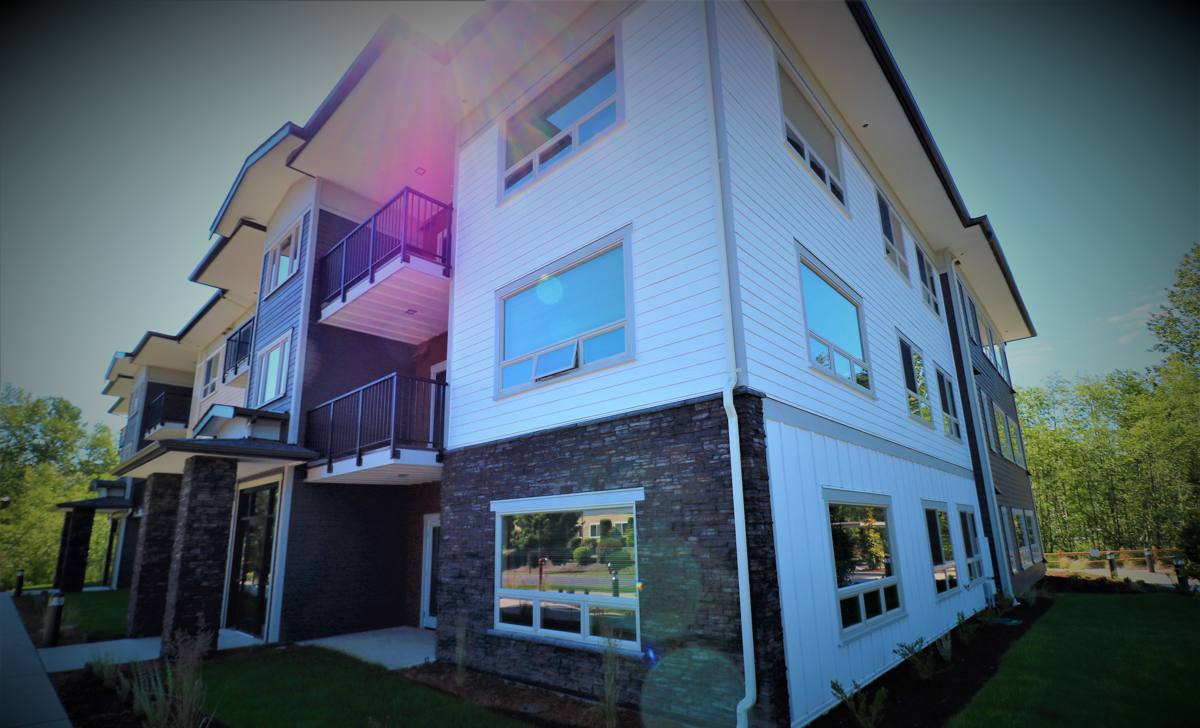
What Salt Air and Driving Rain Actually Do to a Wall
Salt Air
Airborne salt is corrosive to metal fasteners, flashing, and trim, and it accelerates the breakdown of finishes that aren't formulated to resist it. On a lot of siding materials, that shows up as chalking, fading, or edge deterioration well before the manufacturer's stated lifespan. Salt exposure doesn't announce itself with one dramatic event — it's a slow, steady toll that adds up over a decade of exposure.
Driving Rain
Rain that comes in nearly horizontal during a Pacific storm doesn't behave like rain falling straight down. It gets forced into laps, seams, and any gap around trim or penetrations. If the water-resistive barrier and flashing details behind the siding aren't done right, that moisture finds its way into the wall assembly instead of running back out — and by the time it shows up as a stain or soft spot on the interior, the damage behind the siding is usually already extensive.
Moss Season
Shaded, damp walls on this peninsula can stay wet for extended stretches, especially through fall and winter. Moss and algae need three things to establish: moisture, shade, and a surface they can grip. Some siding materials give them all three. Others resist it far better — which matters if you don't want to be scrubbing or pressure-washing your siding every year just to keep it looking clean.
What a Correct Fiber Cement Installation Involves Here
Fiber cement itself is a strong choice for this environment — but the material only performs as well as the installation behind it. A correct job on a Point Roberts home involves several details that are easy to skip and expensive to fix later:
Water Management Behind the Siding
A weather-resistive barrier installed with proper lapping (upper courses over lower, always shedding water downward), correctly flashed windows, doors, and penetrations, and a drainage plane that gives any water that does get past the siding a path back out. In a driving-rain climate, this layer matters as much as the siding itself.
Rainscreen Considerations
A ventilated gap between the siding and the water-resistive barrier lets any moisture that gets behind the cladding dry out instead of sitting against the sheathing. On a home exposed to constant salt air and rain, that airflow is one of the biggest differences between siding that lasts and siding that doesn't.
Fastening and Clearances
Corrosion-resistant fasteners, driven to the manufacturer's specified depth and pattern, with proper clearance from grade, roof lines, and decks. Fastening errors are one of the most common causes of premature siding failure, and they're invisible until something goes wrong.
Caulking and Sealant Discipline
Sealed where the manufacturer calls for a seal, left open where it calls for drainage. Over-caulking traps moisture just as effectively as under-caulking lets it in — both are mistakes, just in opposite directions.
Why We Only Install James Hardie Fiber Cement
We standardized on James Hardie fiber cement for every home we side, including here in Point Roberts, and we don't offer vinyl, LP SmartSide, primed wood, or cedar as alternatives. That's not a marketing position — it's a professional judgment call based on what holds up in this specific climate.
Hardie's HardieZone system engineers different formulations for different climate exposures, and the HZ5 product line used throughout western Washington is built specifically for wet, humid, freeze-thaw conditions like ours. It's non-combustible fiber cement, which matters for wildfire-adjacent risk even in a coastal setting, and the factory-applied ColorPlus finish is baked on under controlled conditions rather than field-painted — which means better fade and moisture resistance than a job-site paint job, and a warranty structure that backs the finish, not just the substrate.
Other materials have real strengths. Vinyl is inexpensive and low-maintenance in mild climates. LP SmartSide is engineered wood with good workability. Cedar has a look a lot of homeowners want. But in a salt-air, high-rainfall, long-moss-season environment, we've seen each of those materials run into the same recurring issues: vinyl can warp or become brittle with prolonged coastal exposure and offers less impact resistance; engineered wood products are more sensitive to sustained moisture exposure at cut edges and seams if maintenance lapses; and cedar requires an ongoing maintenance commitment — re-staining or re-sealing on a cycle — that most homeowners underestimate when they choose it. Fiber cement, installed correctly, holds paint and color longer, resists moisture-driven swelling, and doesn't feed moss the way wood-based products can. That's why it's what we put on homes here.
Our Process on a Point Roberts Project
- Site visit: We walk the exterior, check existing siding and sheathing condition, and look specifically at which walls take the worst weather and shade exposure on your lot.
- Scope and product selection: We confirm plank profile, exposure width, and color line based on your home's style and the specific walls that need the most protection.
- Tear-off and inspection: Old siding comes off and we inspect the sheathing and existing water-resistive barrier before anything new goes up. Hidden moisture damage gets addressed here, not covered over.
- Water management install: Barrier, flashing, and rainscreen components go in to spec before a single piece of siding is hung.
- Siding installation: Fastened, gapped, and sealed to James Hardie's published installation guidelines — the details that determine whether the warranty actually holds up if it's ever needed.
- Final walkthrough: We review the finished work with you and handle any punch list items before we consider the job done.
Because Point Roberts is geographically separated from the rest of Whatcom County — reached by crossing into and back out of Canada — logistics matter more here than on a typical job. Material staging, crew scheduling, and being available for a warranty callback all take extra planning for a contractor who doesn't already work this area regularly. A crew that's already established a rhythm for getting people and materials in and out doesn't pass that friction on to you as delays or no-shows.
Maintenance: What to Expect by Material
| Factor | Fiber Cement (Hardie) | Vinyl | Untreated/Stained Wood |
|---|---|---|---|
| Salt air resistance | Strong; factory finish holds color | Moderate; can become brittle over time | Weak without frequent resealing |
| Moss/algae resistance | Good, especially with proper drainage gap | Moderate; can trap moisture at seams | Poor; moss adheres readily to wood grain |
| Repainting cycle | Long — ColorPlus finish is factory-cured | Not typically repainted; fades in place | Every 3-7 years depending on exposure |
| Impact resistance | High | Lower; can crack in cold or from impact | Moderate; dents and splits over time |
| Fire resistance | Non-combustible | Combustible | Combustible |
Cost Factors for a Point Roberts Home
We don't quote pricing without seeing the house, but these are the variables that actually move the number on a project here, roughly ranked by typical impact:
| Factor | Why It Matters | Relative Cost Impact |
|---|---|---|
| Tear-off vs. new construction | Removing and disposing of old siding, plus repairing any hidden sheathing damage | High |
| Home size and wall complexity | More corners, dormers, and cutouts mean more labor and material waste | High |
| Siding profile and exposure | Lap width and texture affect material quantity and install time | Medium |
| Trim, soffit, and fascia scope | Whether trim work is included or handled separately | Medium |
| Access and staging | Steep lots, limited driveway access, or multi-story walls | Low to Medium |
What to Check Before Hiring Anyone for a Point Roberts Siding Job
- Do they have current experience installing fiber cement specifically, not just siding in general?
- Can they explain how they'll handle the water-resistive barrier and rainscreen detail on your walls, not just the visible siding?
- Are they installing to the manufacturer's published specifications, and will that installation actually qualify for the manufacturer's warranty?
- Do they already work in Point Roberts, or is this their first job dealing with the border-crossing logistics?
- Will they inspect and address sheathing condition during tear-off, or just cover whatever is underneath?
- Is the estimate written, itemized, and clear about what's included — tear-off, disposal, trim, and touch-up?
A Straightforward Recommendation
If you own a home on this peninsula, the climate isn't going to change, and it's not forgiving of shortcuts. The combination of salt air, driving rain, and a long moss season rewards a siding system that's engineered for wet marine conditions and an installation that respects the details behind the siding, not just the finish coat on top. That's the standard we hold every job to, whether it's a small repair or a full re-side.
If you'd like an honest look at your home's current siding condition and what a correct fiber cement installation would involve for your specific walls and exposure, we're glad to come take a look. The estimate is free, there's no pressure attached, and you'll walk away with a clear picture of your options either way.