 Semiahmoo
 Why Birch Bay Roofs Wear on Their Own Timeline
Birch Bay sits close enough to the water that roofs here take a different kind of beating than roofs ten or fifteen miles inland. The combination of salt-laden air off the Strait, driving rain that comes in sideways during winter storms, and a moss season that can run most of the year adds up to faster wear on materials that are rated for a "normal" Pacific Northwest climate but not really built for a marine one. We've replaced enough roofs in this stretch of Whatcom County to know that a roof spec'd the same way you'd spec one in Bellingham or Ferndale often underperforms out here — not because the shingle or metal is bad, but because the exposure is more aggressive.
This page is about roof replacement specifically for Birch Bay properties: what the climate actually does to a roof system, what a correct replacement looks like in response, and how our process works when you call us.
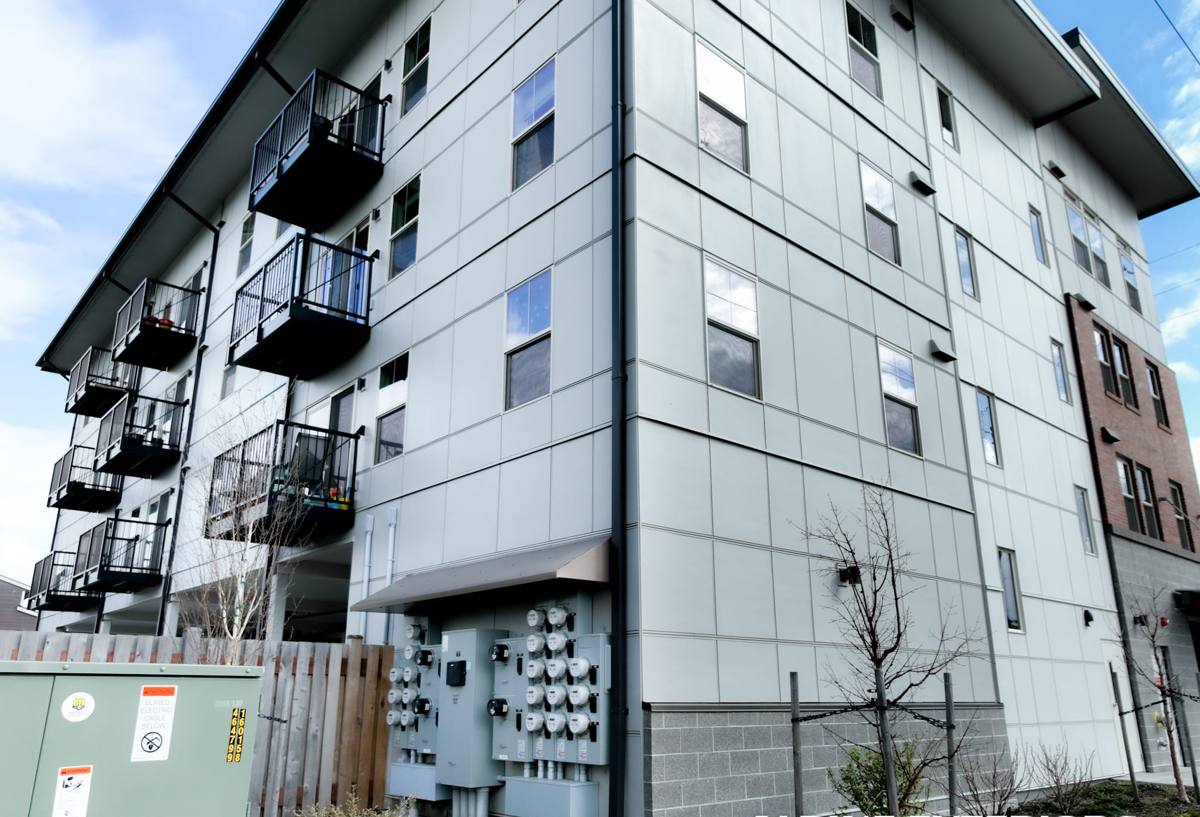
What Salt Air and Marine Exposure Do to a Roof
Metal Fasteners, Flashing, and Trim
Salt air accelerates corrosion on anything metal — nails, flashing, drip edge, valley metal, vent boots with metal collars. Standard galvanized fasteners can start showing rust streaks years before they would inland, and once fasteners weaken, shingles or panels start lifting in wind. This is one of the biggest differences in how we spec a Birch Bay roof compared to one further from the water: fastener and flashing material matters more here, not less.
Granule Loss and UV/Salt Combined Wear
Asphalt shingles rely on their granule layer to block UV and shed water. Salt-laden moisture combined with the freeze-thaw cycles we get in winter can accelerate granule loss at a rate that catches homeowners off guard — a roof that "should" have ten more years left starts showing bald patches and exposed asphalt sooner than the warranty timeline would suggest.
Moss, Rain, and the Birch Bay Roof Cycle
A Long Moss Season
Between the shade from mature trees on many Birch Bay lots and the persistent damp, moss and algae growth is close to a year-round concern here rather than a seasonal one. Moss doesn't just look bad — it holds moisture against the roof surface, works its way under shingle tabs, and lifts them enough for wind-driven rain to get underneath. Left unaddressed for a few years, moss growth alone can shave real years off a roof's service life.
Driving Rain and Drainage Design
Winter storms here don't just drop rain straight down — wind pushes it sideways and up under laps and flashing that would stay dry in a calmer climate. That means underlayment coverage, flashing laps, and valley design all need to be done to a higher standard than the bare minimum code allows. A roof that's "technically" installed correctly but cuts corners on lap distances or flashing overlap is exactly the kind of roof that starts leaking at year six or seven instead of year twenty.
Signs a Birch Bay Roof Needs Replacement, Not Just Repair
Not every roof problem out here means a full tear-off. But there's a point where patching becomes throwing money at a roof that's fundamentally past its service life. Signs worth taking seriously include:
- Granule buildup in gutters or downspouts, or bald/shiny patches visible on the shingles
- Moss established at the shingle edges and butt joints, not just on the ridge or in shaded patches
- Curling, cupping, or cracked shingles, especially on south- and west-facing slopes
- Rust streaking or visible corrosion at flashing, vent boots, or metal valleys
- Soft spots in the decking felt when walked, or staining on interior ceilings after storms
- Multiple repair visits in the last few years without the leaks actually stopping
- A roof original to a home built more than 20–25 years ago, especially with standard 3-tab shingles
If you're seeing two or more of these, it's worth having someone look at the whole system rather than chasing individual leaks.
Roofing Materials That Hold Up in This Climate
There isn't one "correct" material for every Birch Bay home — budget, roof pitch, and how long you plan to stay in the house all factor in. But some materials handle salt air and moss pressure better than others, and it's worth knowing the trade-offs before you decide.
| Material | Moss/Algae Resistance | Salt Air Durability | Typical Lifespan Here | Trade-Offs |
|---|---|---|---|---|
| Architectural asphalt shingle | Moderate (better with algae-resistant granules) | Good with corrosion-resistant fasteners/flashing | 20–25 years | Best value; needs periodic moss treatment |
| Standing seam metal | High — sheds moss growth surface | Requires marine-grade coatings/fasteners to avoid corrosion | 40+ years | Higher upfront cost; installation sensitivity around fasteners is critical near the water |
| Synthetic/composite shingle | High | Very good — non-porous, doesn't corrode | 30–50 years | Higher material cost; fewer local installers familiar with it |
| Cedar shake | Low without regular maintenance | Moderate — needs consistent upkeep near salt air | 20–30 years with upkeep | Highest maintenance burden in this climate; we're honest that it's a harder sell out here |
For most Birch Bay homes we're recommending architectural asphalt with algae-resistant granules and upgraded flashing details, or standing seam metal for owners planning to stay long-term and wanting to largely take moss and re-roofing off their to-do list. Cedar shake can look great, but given the moisture and moss pressure here it demands maintenance that many owners don't want to keep up with — that's a maintenance-burden conversation we have honestly, not a knock on the material itself.
What a Correct Roof Replacement Involves Here
Full Tear-Off and Deck Inspection
We don't recommend overlaying new shingles on old ones, especially this close to the water. A full tear-off lets us actually see the decking — soft or delaminated plywood from years of moisture intrusion needs to be found and replaced before anything new goes down, not covered up.
Underlayment and Ice-and-Water Barrier
Given the driving rain here, we run synthetic underlayment across the full roof and self-adhered ice-and-water barrier at eaves, valleys, and any low-slope transitions — areas where wind-driven rain is most likely to find a way in.
Flashing and Fastener Upgrades
This is where a Birch Bay roof replacement should differ most from a generic spec. We use corrosion-resistant flashing and fasteners rated for coastal exposure at valleys, chimneys, skylights, and vent penetrations — the points where salt-air corrosion causes the most failures.
Ventilation
Proper intake and exhaust ventilation keeps moisture from condensing in the attic, which matters in a climate this damp — trapped moisture accelerates deck rot and can void shingle warranties regardless of how good the roofing material itself is.
Our Process for Birch Bay Roof Replacements
1. On-Site Inspection and Honest Estimate
We look at the whole roof system — decking, flashing, ventilation, current moss/algae condition — not just the shingles, and give you a written estimate that explains what we're recommending and why.
2. Material Selection Based on Your Home and Budget
We'll walk through the trade-offs above in the context of your specific roof pitch, sun/shade exposure, and how long you plan to own the home, so the material choice makes sense for your situation rather than a one-size-fits-all pitch.
3. Tear-Off, Deck Repair, and Installation
Full removal of the old roof, any necessary deck repair called out and priced before we proceed (no surprise change orders for things we should have caught), then installation to the standard described above.
4. Cleanup and Final Walkthrough
Magnetic sweep for nails, full site cleanup, and a walkthrough so you understand your new roof, its warranty, and any maintenance (like periodic moss treatment) that will help it hit its full lifespan in this climate.
Why Hiring a Crew That Already Works Birch Bay Matters
A roofing crew that mostly works inland jobs isn't necessarily going to think about fastener corrosion resistance, extended ice-and-water coverage, or moss-resistant granules unless they're asked. Those aren't exotic upgrades — they're standard practice for crews who work this stretch of coastline regularly and have seen firsthand which roofs fail early and why. Hiring locally isn't about hometown loyalty; it's about not paying for a roof spec'd for the wrong climate.
If your Birch Bay roof is showing its age or you just want an honest read on how much life it has left, we're happy to take a look. Use the form below to request a free, no-pressure estimate — we'll tell you straight whether you need a full replacement, a repair, or nothing at all right now.