 Semiahmoo
 Roof Replacement for Sumas Homes
Sumas sits at the edge of Whatcom County, a part of Washington where the weather doesn't do anything halfway. Winters bring long stretches of driving rain, and the damp, shaded pockets around trees and north-facing slopes grow moss on almost anything that sits still long enough. Homes closer to the water pick up salt-laden air as well, and even inland properties feel some of that same coastal influence carried in on the wind. A roof here isn't just shedding water for a few storms a year — it's under near-constant moisture pressure for months at a stretch, and that changes what "correct" roofing work actually looks like.
This page is about one job, done right, in this one area: replacing a roof on a Sumas home. Not a general overview of roofing everywhere — the specific conditions of this part of Whatcom County and what they mean for materials, workmanship, and long-term performance.
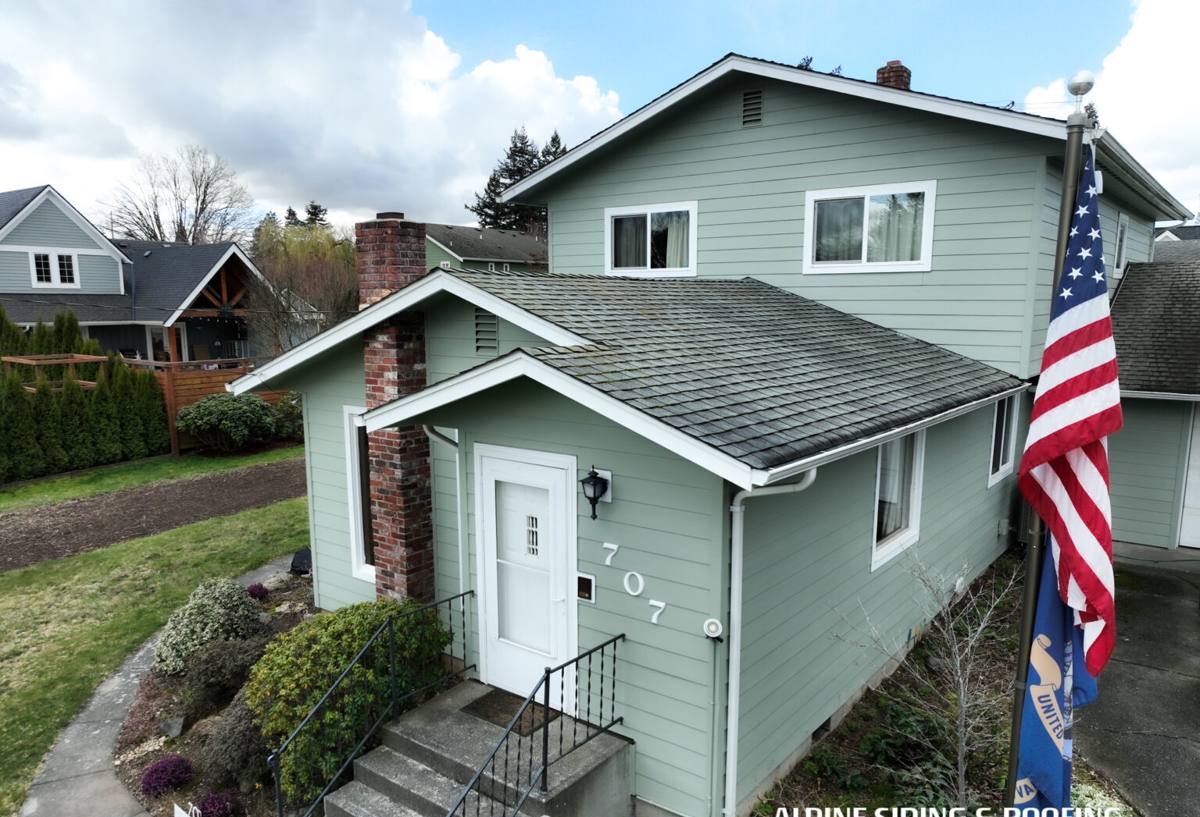
What This Climate Actually Does to a Roof
Before talking about replacement, it's worth being clear about what wears a roof out in this area, because it's rarely one dramatic event. It's cumulative.
Moss and Organic Growth
Moss doesn't just look bad. It holds moisture directly against roofing material, and on shaded or north-facing sections that moisture rarely gets a chance to fully dry out between rain events. Over time, moss and the algae that often grow alongside it can work into shingle granules and seams, shortening the useful life of a roof that might otherwise perform well.
Driving Rain
Rain that comes in at an angle — which is common in this region during winter storms — tests flashing, underlayment, and valley details far more than straight-down rain does. A roof that would be fine somewhere with calmer weather can leak here if those details were cut corners during the original install.
Salt and Coastal Air
Properties closer to the water deal with airborne salt that accelerates corrosion on exposed metal — fasteners, flashing, gutters, and vents. Even homes further inland get some of this effect carried on prevailing winds, just at a lower intensity. It's one more reason we don't treat "standard" roofing details as good enough here.
Temperature Swings and Wind
Whatcom County doesn't see extreme heat, but repeated freeze-thaw cycles and seasonal windstorms both put mechanical stress on aging roofing material, especially once it's already compromised by moisture.
Signs a Sumas Home Needs a Roof Replacement
Repairs make sense for isolated damage. Replacement becomes the honest recommendation when the problems are spread across the roof or point to failure in the underlying structure, not just the surface. Signs worth taking seriously include:
- Granule loss showing up in gutters or at downspouts in noticeable quantities
- Moss coverage across multiple sections, not just one shaded corner
- Shingles that are cupping, curling, or cracking, especially on south- or west-facing slopes
- Soft spots or sagging when walked on, which can indicate deck damage underneath
- Daylight visible through the roof deck from inside the attic
- Multiple past repairs in different areas rather than one contained problem
- Flashing that's rusted, lifted, or was never properly step-flashed at walls and valleys
- A roof that's simply reached the end of its material's realistic lifespan for this climate
If a roof is only showing one or two of these signs in a limited area, a repair may still be the right call. We'll tell you that directly rather than pushing a full replacement that isn't needed yet.
What a Correct Roof Replacement Involves Here
A roof replacement is more than swapping old shingles for new ones. In a climate like this, the parts you don't see matter as much as the parts you do.
Full Tear-Off, Not Overlay
We remove the existing roofing down to the deck rather than layering new material over old. That lets us actually inspect the deck for rot or soft spots caused by long-term moisture intrusion — something you can't see or fix if it's buried under a second layer.
Deck Repair Before Anything Else Goes On
Any damaged or spongy decking gets replaced before underlayment goes down. Installing new roofing over a compromised deck just hides a structural problem under a fresh surface.
Underlayment Built for Wet Climates
Given how much moisture this roof will see over its life, we use underlayment and ice-and-water protection at eaves, valleys, and other vulnerable areas that's appropriate for sustained wet exposure — not just the minimum required by code.
Flashing Done Properly, Every Time
Most roof leaks in this region trace back to flashing, not the field of the roof itself. Step flashing at walls, proper valley treatment, and corrosion-resistant materials at chimneys and vents are non-negotiable, especially with salt-influenced air in play.
Ventilation That Matches the Climate
Balanced intake and exhaust ventilation helps the attic space dry out between rain events instead of trapping moisture that feeds mold and accelerates deck deterioration. This is easy to overlook and expensive to fix later.
Material Options and How They Hold Up Locally
There isn't one "right" roofing material for every home — it depends on budget, roof pitch, and how much long-term maintenance a homeowner wants to take on. Here's how the common options actually perform under Whatcom County conditions.
| Material | Moss/Moisture Resistance | Maintenance Needs | Typical Lifespan Here |
|---|---|---|---|
| Asphalt composition shingles | Moderate — benefits from algae-resistant granules | Periodic moss removal recommended | 20-30 years |
| Architectural/laminate shingles | Good — thicker profile sheds water better | Lower than standard 3-tab | 25-35 years |
| Metal roofing | Excellent — sheds moss and water quickly | Low, but fastener quality matters near salt air | 40-60 years |
| Cedar shake | Poor without diligent upkeep | High — regular treatment needed to resist rot/moss | Varies widely with maintenance |
We don't install every option on this list for every home. Where a material's real-world maintenance burden or moisture behavior doesn't match what a homeowner is asking for, we'll say so plainly and explain the trade-off rather than just quoting whatever's requested.
How Our Process Works
Homeowners generally want to know what they're actually signing up for before a crew shows up. Here's the shape of it.
1. On-Site Inspection
We look at the roof itself, the attic from the inside where accessible, and the condition of flashing, vents, and gutters. This tells us whether replacement is actually warranted or whether repair is a reasonable option.
2. Written Estimate
You get a clear scope of work and pricing in writing before any commitment — no verbal-only quotes, no pressure to decide on the spot.
3. Scheduling Around Weather
Given how much rain this area sees, we plan tear-off and dry-in carefully so a roof isn't left exposed longer than necessary. Timing matters more here than in drier climates.
4. The Work Itself
Tear-off, deck inspection and repair, underlayment, flashing, material installation, and ventilation — done in that order, with each step checked before moving to the next.
5. Final Walkthrough
We walk the finished roof and the site with you, confirm cleanup is complete, and go over warranty documentation.
Why Local Experience Matters for This Job
A crew that only occasionally works in Whatcom County will size a roofing job the same way they would anywhere else. A crew that works here regularly already knows which valleys collect the most moss, which flashing details actually hold up against driving rain, and which fastener grades make sense given the coastal-influenced air moving through the area. That's not a marketing point — it's the difference between a roof that needs attention again in five years and one that goes the full distance of its expected lifespan.
We also know the practical side of working in Sumas and the surrounding area: reasonable scheduling around the wetter months, realistic expectations about drying time, and straight answers about what a given roof actually needs versus what would just be an upsell.
A Quick Homeowner Checklist
Before you decide between repair and replacement, it helps to walk through a short list yourself.
- Check gutters for granule buildup after a rain event
- Look at the roof from ground level for moss coverage across multiple areas
- Check the attic for daylight, staining, or damp insulation
- Note how many times the roof has already been repaired
- Ask any contractor for a written scope, not just a verbal price
- Confirm whether tear-off or overlay is being proposed, and ask why
Getting an Honest Assessment
Every roof and every budget is different, and the right answer isn't always a full replacement — sometimes it's targeted repair, sometimes it's replacement now to avoid deck damage later. We'll give you a straight read on which situation you're actually in.
If you're weighing a roof replacement in Sumas, we're happy to take a look and give you a free, no-pressure estimate. Use the form below to get started.