 Semiahmoo
 Why Window Installation Works Differently on the Cherry Point Shoreline
Cherry Point sits close enough to open water that the same forces shaping the beaches also shape what happens to a house. Salt-laden air drifts inland on a regular basis, driving rain comes in sideways during winter storms, and the shoulder seasons stay damp long enough that moss and algae get a real foothold on anything shaded or north-facing. Windows sit right at the center of all of it. They're the part of the building envelope with the most seams, the most hardware, and the most exposed material, so they're usually the first thing to show wear when a home's coastal exposure catches up with it.
A window that would hold up fine in a drier, inland part of Whatcom County can fail years early out here if it wasn't installed with this climate in mind. That's not a knock on any particular product line — it's just the reality of building near the water. The fix isn't complicated, but it does require doing a few things correctly and consistently, which is the whole point of this page.
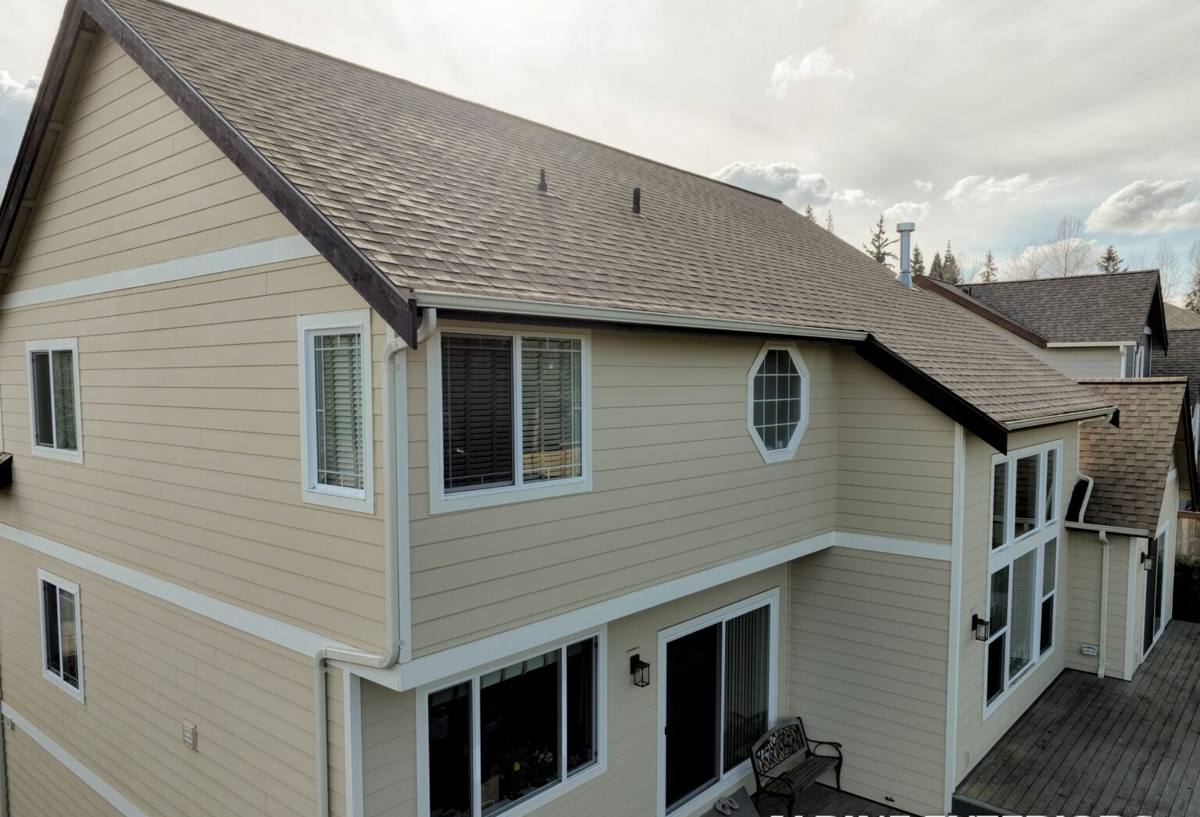
Signs a Cherry Point Home Needs New Windows
Most homeowners don't wake up one day and decide they need windows — the house tells them first, usually through a handful of recurring annoyances that get written off as normal until they add up.
- Fogging or a permanent haze between the panes of a double-pane window, meaning the seal has failed and the insulating gas is gone
- Drafts you can feel with a hand near the frame on a windy day, especially during a storm blowing in off the water
- Sashes that stick, won't stay open, or have started to sag in the frame
- Soft or discolored wood at the sill or lower corners — usually the first place wind-driven rain finds a way in
- Condensation or water staining on interior trim after heavy rain, even when the window "looks" closed properly
- Visible corrosion on hardware, hinges, or locks — a common tell in salt-air areas
- A noticeable rise in heating bills without any other explanation
Any one of these can be a minor fix. Several at once, especially on the sides of the house that catch the most weather, usually means the windows themselves have reached the end of their useful life.
What a Correct Installation Actually Involves
It's Not Just the Window
Swapping in a new window without addressing what's around it is one of the most common ways a good product still ends up with a bad outcome. A window installation is really a small building envelope project — the window unit is only one piece of it. Correct work includes:
- Inspecting the rough opening and framing for hidden rot or moisture damage before anything new goes in
- Installing a sill pan flashing so any water that gets past the window sheds outward, not into the wall
- Layering house wrap and flashing tape in the right shingle-style order so water always drains down and out, never in
- Setting the window level, plumb, and square, then securing it per the manufacturer's fastening schedule
- Insulating the gap around the frame properly — not overpacked, not left empty
- Sealing the exterior with the right sealant for the siding material, and leaving weep holes and drainage paths unobstructed
Skip the flashing details or seal the wrong way, and a brand-new window can leak within a season — especially here, where wind-driven rain hits at angles a lot of installation guides don't account for.
Fasteners and Hardware Matter More on the Coast
Standard fasteners and hinges can start showing corrosion within a few years when they're exposed to salt air day in and day out. We treat fastener and hardware selection as part of the job, not an afterthought — using corrosion-resistant screws, cladding, and hardware suited to a marine-influenced climate rather than whatever ships standard with a builder-grade unit.
Choosing Window Materials for a Coastal Whatcom County Climate
There's no single "best" window material — every option is a set of trade-offs between upfront cost, maintenance, and how it holds up to salt air and constant moisture. Here's how the common options compare for a home in this environment:
| Frame Material | Salt Air / Corrosion Resistance | Moisture Behavior | Maintenance Burden |
|---|---|---|---|
| Vinyl | Very good — won't corrode or rust | Handles moisture well; won't rot | Low — occasional cleaning only |
| Fiberglass | Excellent — very stable in coastal conditions | Excellent; minimal expansion/contraction | Low |
| Aluminum | Prone to corrosion and pitting near salt air over time | Conducts moisture and cold; prone to condensation | Moderate to high near the water |
| Wood / Wood-Clad | Cladding helps, but exposed wood is vulnerable | Needs consistent sealing to prevent rot | High — regular inspection and refinishing |
Because of what we see on shoreline homes, we lean toward vinyl and fiberglass for most Cherry Point installations. Both resist corrosion by design, handle moisture without rotting, and don't ask a homeowner to keep up with refinishing. Where wood-clad or aluminum windows are the right architectural fit, we simply set expectations honestly about the added upkeep that comes with the tradeoff.
How Our Process Works
- On-site assessment — we look at existing windows, framing condition, and the specific exposure of each wall (a north-facing wall shaded from sun dries far slower than one that gets full afternoon light)
- Measurement and product selection — exact sizing, plus a materials conversation based on that wall's exposure and your budget
- Careful removal — old units come out without unnecessary damage to surrounding siding or trim
- Opening inspection and repair — any hidden rot or moisture damage gets addressed before the new window goes in, not covered over
- Flashing and moisture barrier installation — sill pan, house wrap integration, and flashing tape sequenced correctly
- Setting and securing the window — leveled, squared, and fastened to spec
- Insulation, interior and exterior sealing — done with attention to weep holes and drainage paths
- Trim work and cleanup — interior and exterior trim finished, site cleaned, old windows hauled away
- Final walkthrough — operation, seal, and appearance checked with you before we call it done
Mistakes We Make a Point of Avoiding
A lot of window problems we get called out to fix weren't caused by a bad window — they were caused by a rushed or incomplete installation. The most common issues we see and specifically guard against:
- Caulk used as a substitute for proper flashing, which traps water inside the wall instead of shedding it
- Standard fasteners used in a salt-air zone, leading to early corrosion and staining
- Weep holes sealed shut or blocked, trapping condensation inside the frame
- Rot in the framing discovered and covered over instead of repaired
- Insulation gaps left around the frame, creating drafts and cold spots
What Affects the Cost of a Window Installation Here
Every home is different, so we won't quote a number without seeing the job, but these are the main factors that move the price up or down:
| Factor | Why It Matters |
|---|---|
| Number of windows | Per-window cost typically drops slightly on larger multi-window jobs |
| Frame material | Fiberglass generally costs more upfront than vinyl; aluminum and wood vary widely |
| Window type | Casements, sliders, and picture windows differ in hardware and install complexity |
| Existing damage | Rotted framing or hidden moisture damage adds repair time before the new window can go in |
| Access and height | Second-story or hard-to-reach windows take longer and may need staging |
| Old window disposal | Removal and haul-away is usually included but adds to labor time |
Maintaining Windows Through a Whatcom County Moss Season
Even a correctly installed, well-chosen window needs a small amount of upkeep to get its full lifespan out of a coastal climate. None of it is difficult, but it does need to happen on a schedule rather than "when we notice a problem."
- Rinse accumulated salt film off frames and glass periodically, especially on wind-facing walls
- Check weep holes each fall to make sure they aren't clogged with debris, moss, or dirt
- Inspect exterior caulking annually for cracking or gaps, particularly after the first hard freeze
- Clear moss and algae growth from nearby trim and siding before it holds moisture against the window frame
- Test operation of sashes and locks each season — stiffness is often the first sign hardware needs attention
Homeowners who stay on top of this short list tend to get noticeably more life out of their windows than those who don't, regardless of which material they chose.
Why It Matters to Hire a Crew That Already Works in Cherry Point
Window installation isn't identical everywhere, and a crew that mostly works inland jobs won't always think to plan for wind-driven rain angles, salt exposure, or the moisture patterns that come with being this close to the water. We work in Semiahmoo and the surrounding Whatcom County shoreline regularly, so the flashing details, fastener choices, and material recommendations described here aren't theoretical — they're how we approach every job in this specific setting. That familiarity is also what lets us spot a framing problem early, or recommend a window material that's actually going to hold up here, instead of just installing whatever's requested and moving on.
If your windows are drafty, fogged, sticking, or just older than you'd like them to be, we're happy to take a look and give you a straight, no-pressure estimate — no obligation, just an honest read on what your home actually needs. The form below is the easiest way to get started.