 Semiahmoo
 Blaine Harbor Windows Work Harder Than Most
Homes around Blaine Harbor sit close enough to Semiahmoo Bay that salt-laden air is a daily fact of life, not an occasional nuisance. Add the wind-driven rain that rolls in off the water for much of the year and the long stretch of damp, low-sun months that let moss and algae take hold on anything that stays wet, and you've got a climate that finds every weak point in a window system. Whatcom County isn't the harshest coastal environment in the country, but the combination of salt exposure and near-constant moisture is tough on frames, seals, and hardware in ways that inland Washington homes never have to deal with.
Window installation in this area isn't just about picking a good-looking window and setting it in the opening. It's about choosing materials that hold up to salt corrosion, detailing the flashing so wind-driven rain can't work its way behind the trim, and installing with enough precision that the seal stays tight through freeze-thaw cycles and years of marine humidity. Get any of that wrong and you're not looking at a cosmetic problem — you're looking at rot in the framing behind the window, mold inside the wall cavity, and a repair bill that dwarfs what the window itself cost.
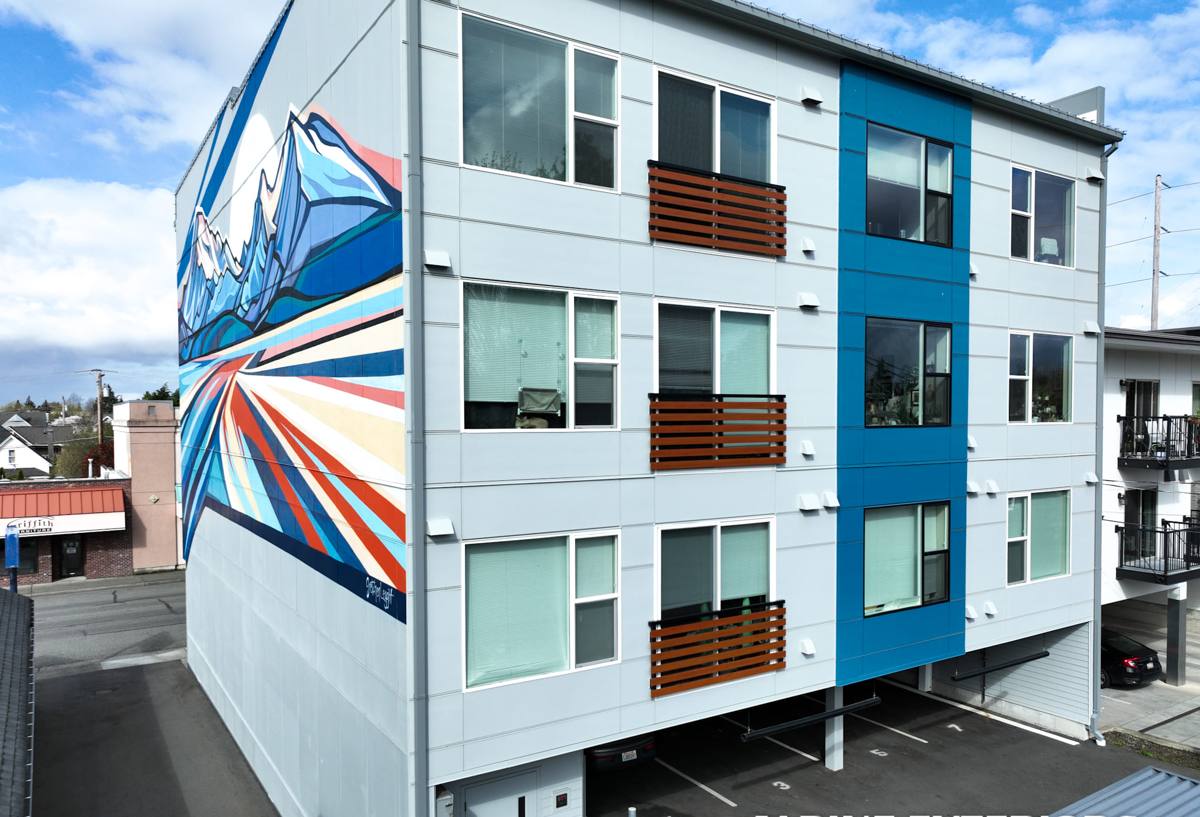
Signs a Blaine Harbor Home Needs New Windows
Older windows in this area tend to fail in a specific pattern tied to the local climate. Knowing what to look for helps you catch a problem before it spreads into the wall.
- Fogging or moisture trapped between the panes of double-pane glass (a failed seal, not a cleaning issue)
- Soft or discolored trim, sill, or siding around the window frame
- Visible pitting, chalking, or corrosion on metal hardware and hinges
- Moss or dark green-black staining building up on the sill or lower frame that keeps returning after cleaning
- Drafts or a noticeable temperature difference near the window on windy days
- Windows that are difficult to open, close, or lock — frames can swell or warp with sustained moisture exposure
- Condensation forming on the inside of the glass regularly, especially on north- or west-facing windows
Any one of these on its own might just mean it's time to replace a window. Several of them together, especially on the same wall, usually points to a moisture problem that's been developing behind the scenes for a while.
Why Moss Season Matters More Than People Think
Whatcom County's wet season runs long, and anything that stays damp for weeks at a time becomes a candidate for moss and algae growth. On windows, that usually shows up first on horizontal surfaces — sills, the tops of trim boards, and shaded lower sashes — where water sits instead of draining. Moss itself isn't structurally dangerous, but it holds moisture against wood and painted surfaces far longer than rain alone would, which accelerates rot and paint failure underneath it. A window and trim detail that sheds water cleanly, without flat spots where moss can establish, matters more here than in a drier climate.
Choosing Materials That Handle Salt Air
Not every window frame material performs the same way near the water. We look at three things for Blaine Harbor homes: how the material handles salt exposure, how it handles sustained moisture, and how much upkeep it demands afterward.
| Frame Material | Salt Air Performance | Maintenance | Notes |
|---|---|---|---|
| Vinyl | Very good — won't corrode or rust | Low — occasional rinse | Best value for most harbor-area homes; quality varies by manufacturer |
| Fiberglass | Excellent — highly stable in temperature and moisture swings | Low | Higher upfront cost, very long service life in coastal conditions |
| Wood (unclad) | Poor without diligent upkeep | High — regular repainting/sealing | Beautiful but demands a maintenance commitment we're upfront about |
| Wood-clad (vinyl or aluminum exterior) | Good — exterior face protected | Moderate | Interior wood look with a more weather-resistant exterior shell |
| Aluminum | Fair — prone to corrosion near saltwater unless properly finished | Moderate | We steer most harbor clients away from bare aluminum for this reason |
We don't push one material on every job. A shaded, wind-sheltered wall a block off the water has different demands than a west-facing window that takes direct salt spray during winter storms. Part of a proper estimate is walking the specific exposure of each elevation before recommending what goes in it.
Hardware matters as much as frame material. Standard steel hinges, cranks, and locks corrode fast in salt air. We spec stainless steel or marine-grade hardware on homes with direct harbor exposure, even when it costs a bit more up front — replacing corroded hardware down the line usually costs more than getting it right the first time.
Glass and Energy Performance
Beyond the frame, the glass package affects comfort, energy bills, and even glare off the water. Most homeowners here do well with a Low-E coated, double-pane, argon-filled unit — it cuts heat loss through the long Whatcom County winter and reduces the sun glare that can bounce hard off the bay on clear days. For homes with a lot of southern or western glass, we'll sometimes discuss a slightly higher-performance glass package to manage solar heat gain without sacrificing the view.
Condensation resistance is worth asking about directly. A window with a poor U-factor or a compromised low-conductance spacer will fog or sweat on the interior during cold, humid stretches — which, in this climate, is a lot of the year. A quality glass package with a warm-edge spacer resists that far better than a builder-grade unit.
What a Correct Installation Actually Involves
The window unit itself is only part of the job. Most window failures we get called out to fix trace back to installation shortcuts, not a bad product. Here's what we do on every replacement:
- Careful removal — old windows come out without tearing up more of the surrounding wall than necessary, and we inspect the opening before anything new goes in.
- Sheathing and framing inspection — this is the step that gets skipped most often elsewhere. We check for soft wood, rot, or prior water damage around the opening before sealing anything back up.
- Flashing integration — the new window's flashing has to tie into the existing weather-resistant barrier (house wrap or building paper) in the correct shingle-lap order, so water is directed out and down, never trapped behind the siding.
- Sill pan installation — a proper sill pan gives any water that does get past the exterior seal a way out, instead of letting it pool against the framing. This step matters more in a driving-rain climate than almost any other single detail.
- Air sealing and insulation — the gap between the window frame and the rough opening gets insulated and air-sealed correctly, not just stuffed with foam, to avoid both drafts and moisture traps.
- Exterior trim and caulking — finished with materials and a caulk joint designed to hold up under UV exposure and repeated wet-dry cycling.
- Final operation check — every window gets tested for smooth operation and a tight seal before we call the job done.
Skipping or rushing the flashing and sill pan steps is the single biggest cause of window-related rot we see in this area. It's invisible on install day and doesn't show up as a problem for a year or two — by which point it's a much bigger repair than a window replacement.
Common Problems We Find in Harbor-Area Homes
Working regularly on homes in and around Blaine Harbor, a few patterns show up repeatedly:
- Older aluminum-frame windows with visible corrosion and pitted hardware, original to homes built before more corrosion-resistant materials were standard
- Wood sills and trim with rot hidden under paint that looked fine from a few feet away
- Missing or improperly lapped flashing on additions or replacement windows installed without tying into the existing water-resistive barrier
- Moss buildup on north-facing and lower-story windows that get less sun to dry out between rain events
- Failed seals on double-pane units, showing up as permanent fogging between the glass
None of these are unusual for a coastal Whatcom County property of a certain age — they're just what this climate does to windows over time. Catching them during a planned replacement, rather than after a leak shows up inside, is the difference between a straightforward job and an emergency one.
Why Local Experience in Blaine Harbor Matters
A crew that mostly works inland doesn't think the same way about a harbor-area window job. Wind-driven rain direction, salt exposure by elevation, moss patterns on shaded walls, and the age and construction style of homes near the water are all things you learn by working the area repeatedly, not from a general contracting background. We adjust flashing details, hardware specs, and even scheduling around what actually happens to windows here — not a generic installation checklist written for a drier region.
We're also familiar with the older building stock common around the harbor, including original wood-frame construction that needs extra care during removal to avoid damaging siding or trim that may not match easily if it cracks.
What Affects the Cost
| Factor | Why It Matters |
|---|---|
| Frame material | Vinyl is typically the most affordable; fiberglass and wood-clad cost more upfront but can offer longer service life near salt air |
| Number and size of windows | Larger openings and specialty shapes (bay, picture, arched) cost more than standard double-hung or slider units |
| Condition of the existing opening | Rot or framing repair discovered during removal adds cost but is far cheaper to fix now than later |
| Glass package | Upgraded Low-E coatings or higher-performance glass for sun-exposed elevations add to the per-window cost |
| Hardware grade | Marine-grade or stainless hardware costs more than standard hardware but resists salt corrosion far longer |
| Trim and exterior finish work | Matching existing trim profiles or repainting/re-siding around the new window affects labor time |
We give a written, itemized estimate before any work starts, so you know exactly what you're paying for and why — including anything we find once the old window comes out.
Get a Free Estimate for Your Blaine Harbor Home
If your windows are showing their age, fogging, drafting, or just aren't standing up to the salt air and rain the way they used to, we're happy to take a look. The estimate is free, there's no pressure, and we'll walk your home's specific exposure with you before recommending anything. Fill out the form below to get started.