 Semiahmoo
 Storm Damage Roof Repair in Blaine, From a Crew That Already Works This Coastline
When a windstorm comes through Blaine off Semiahmoo Bay or Drayton Harbor, the roof takes the first hit — before the siding, before the windows, before anything else on the house. Shingles lift, flashing tears loose, a branch comes down across a slope, and a homeowner is left trying to figure out how bad it actually is and who to call first. This page is about that specific job: storm damage roof repair for homes in and around Blaine, done by a crew that works this stretch of Whatcom County coastline year-round, not one that only shows up after the wind picks up.
Storm damage repair is a different job than routine roof maintenance or a planned replacement. It usually starts with some urgency, it often needs to be documented for insurance, and it requires telling the difference between what the storm actually did and what was already wearing out before the wind hit. Doing that honestly, and repairing it correctly the first time, matters more here than in a calmer inland climate — because the next storm off the water is rarely far behind.
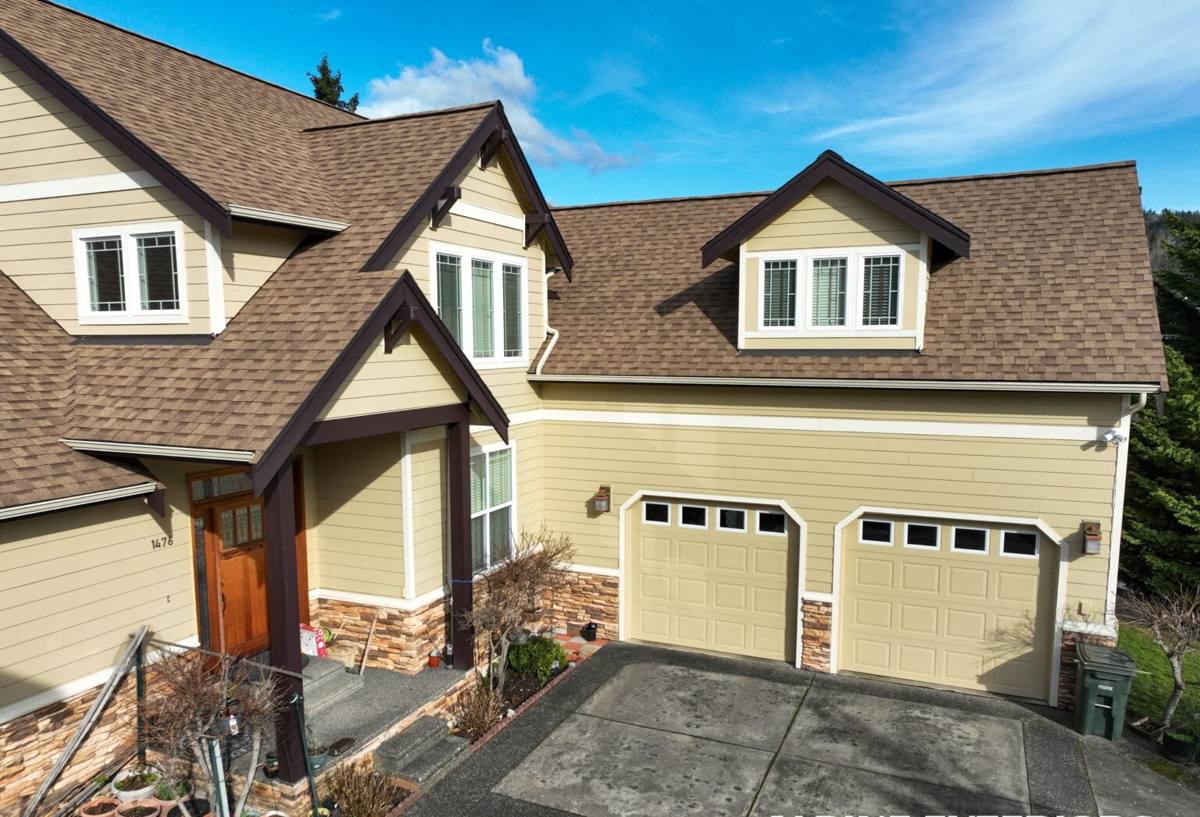
What Actually Counts as Storm Damage
Sudden Events vs. Gradual Wear
Storm damage means something specific: a sudden, identifiable event — wind uplift, a falling limb, wind-driven debris impact — that damaged a roof that was otherwise sound. That's different from a roof that was already past its useful life and simply failed a little faster once a storm added stress to it. The distinction isn't just semantics. It affects whether a repair is a targeted fix or the first sign of a bigger problem, and it affects whether an insurance claim has a legitimate basis. An honest contractor tells you which one you're actually looking at instead of treating every storm call as a chance to sell a full replacement.
Common Storm Damage Patterns We See in Blaine
- Wind-lifted, creased, or missing shingles, usually concentrated on the slope facing the open water
- Flashing torn loose or bent at chimneys, vents, skylights, and valleys
- Puncture or crease damage from a falling branch or wind-blown debris
- Ridge cap shingles pried loose along the roof's high point, where wind uplift is strongest
- Soffit or fascia damage from wind-driven rain forced up and under the eaves
What This Climate Adds to a Storm-Damaged Roof
Wind Off Open Water
Blaine's position near Semiahmoo Bay and the open water beyond it means storms arrive with less to slow them down than they'd meet further inland in Whatcom County. That translates directly into stronger, more sustained wind loading on a roof plane, particularly on slopes facing the water. A shingle edge or flashing detail that would hold in a sheltered inland setting can lift or tear here specifically because there's nothing breaking the wind before it reaches the house.
Driving Rain Finds the Breach
Once wind lifts a shingle or works flashing loose, the damage rarely stays contained to that one spot. Driving rain off the water doesn't fall straight down — it gets pushed sideways and even upward under roof edges, which means a small breach can let in far more water than the same-sized gap would in a calmer climate. That's a big part of why interior water staining after a storm often shows up somewhere other than directly under the visible roof damage; the water traveled sideways along the deck before it found a way in.
A Moss Season That Doesn't Give a Damaged Roof Any Breathing Room
Whatcom County's moss season runs long, and a section of roof that's been compromised by storm damage and left unrepaired gives moss and trapped moisture an even faster foothold than intact roofing does. A breach that sits open through even a few weeks of the wet season can end up with moisture damage well beyond what the original storm event caused, simply because there was never a dry stretch long enough for the area to fully dry out on its own.
What a Correct Storm Repair Actually Involves
Emergency Mitigation, Done Right
When a roof needs to be protected right away, a tarp is a stopgap, not a fix — and how it's installed matters. A tarp draped loosely and weighted with a few boards can blow loose in the next gust and let in more water than it kept out. Done correctly, temporary protection is secured under the shingle courses above the damage and battened down along the edges, so it actually holds through the next round of weather until permanent repair can happen.
A Full Inspection, Not Just a Patch at the Obvious Spot
Because wind-driven rain travels sideways once it gets under roofing material, the visible damage and the actual extent of water intrusion don't always line up. A correct storm repair starts with checking the surrounding roof area and the attic space below it, not just the spot that's obviously torn or missing. Patching only the visible damage and skipping that broader check is one of the most common ways a storm repair fails to hold.
Matching Materials and Rebuilding Flashing Properly
Torn or bent flashing gets replaced, not caulked over and left in place — caulk over damaged metal is a short-term cover, not a repair, and it tends to fail again within a season or two in this kind of weather. Where shingles need replacing, we match the existing profile and color as closely as the product allows; if the original shingle has been discontinued, we'll tell you honestly rather than installing a visibly mismatched patch and hoping it's not noticeable.
Documentation That Actually Holds Up
We photograph the damage before, during, and after the repair. That record protects the homeowner if an insurance question comes up later, and it gives us a clear reference point if anything related to the repair needs a follow-up look down the road.
Matching the Repair to the Type of Damage
| Type of Storm Damage | What Usually Caused It | What a Correct Repair Involves |
|---|---|---|
| Wind-lifted or missing shingles | Sustained wind gusts off the water, usually on windward slopes | Replace affected courses, check underlayment and decking beneath for moisture before resealing |
| Torn or bent flashing | Wind uplift at valleys, chimneys, vents, or skylights | Full flashing replacement at that point, not a caulk patch over the old metal |
| Impact damage from a branch or debris | Falling limbs or wind-blown debris during the storm | Localized decking and shingle replacement at the strike point, with a check for hidden cracking around it |
| Saturated or damaged soffit and fascia | Wind-driven rain forced up and under the eaves | Dry the area out, inspect for rot before closing it back up, replace only what's actually compromised |
| Widespread granule loss or moss intrusion after a prior storm | Storm damage that went unrepaired through part of a wet season | Broader slope repair or partial replacement, depending on what condition the decking is in underneath |
When Storm Damage Turns Into a Bigger Decision
Sometimes a storm just knocks loose a section of an otherwise sound roof, and the fix really is a targeted repair. Other times, the storm exposes a roof that was already close to the end of its useful life — moss-compacted, thin on granules, or with decking that was already softening underneath. In that second case, a patch might hold for a season, but it's honest to say so up front rather than let a homeowner think a quick repair solved a problem that was actually much closer to needing full replacement. We'll tell you plainly which situation you're in, and why, rather than defaulting to whichever answer is easier to sell.
Our Storm Damage Repair Process
- Rapid on-site assessment: We look at the roof and the attic space below it, not just the spot that's visibly damaged, to understand the full extent of what the storm actually did.
- Emergency mitigation if needed: If the roof is actively letting water in, we get it protected properly before anything else happens.
- Written scope and documentation: Photos and a clear description of the damage, useful both for the repair itself and for any insurance conversation.
- Repair to manufacturer spec: Matching materials where possible, replacing flashing rather than patching it, and checking the decking underneath before closing anything back up.
- Final walkthrough: We go over what was found, what was repaired, and what to keep an eye on going forward, before calling the job done.
Before You Hire Anyone for Storm Damage Repair in Blaine
- Confirm current Washington contractor licensing and active liability insurance before any work starts
- Ask whether they're a local, established business with a permanent presence in Whatcom County, not a crew that followed the storm in from somewhere else
- Ask how they document damage for insurance purposes, and get that documentation in writing
- Get a written scope of work that separates emergency mitigation from the permanent repair, with pricing for each
- Ask directly whether what you're looking at is storm damage or age-related wear that the storm just exposed
Why a Crew That Already Works This Stretch of Coastline Matters
A contractor who works Blaine and the Semiahmoo area regularly already knows which roof slopes take the worst of the wind off the water, how far driving rain typically travels once it gets under a lifted shingle here, and what a storm-damaged roof in this specific climate looks like six months later if it isn't repaired correctly the first time. That's a different level of judgment than a crew passing through after a bad weather week. It also means that if a question comes up after the repair — a follow-up leak, a warranty issue, anything — it's a call to a business still working in the same area, not a number that stopped answering once the storm season moved on.
If a recent storm left your Blaine roof with missing shingles, torn flashing, or damage you're not sure how to read, we're glad to come take an honest look. Reach out below for a free, no-pressure estimate.