 Semiahmoo
 Cherry Point's Waterfront Climate Is Tougher on Siding Than It Looks
Cherry Point sits close to the Strait of Georgia, and that proximity to open water changes what siding has to deal with compared to homes even a few miles inland in Whatcom County. Onshore wind carries salt air across exterior walls, driving rain comes in at an angle instead of straight down, and the heavy tree cover common in this area keeps north- and west-facing walls shaded and damp for long stretches of the year. Put those three things together and you get a longer moss and algae season, more sustained moisture contact, and more corrosion pressure on anything metal than the average inland siding job ever sees.
None of that means siding is a lost cause here. It means the material and the installation both have to be matched to the exposure, and that's the piece that gets skipped when a job is priced and installed the same way it would be for a house in a dry, sheltered subdivision.
Salt Air and Corrosion
Airborne salt settles on every exterior surface near the water, not just the siding face. Exposed or under-driven fasteners, cheap trim flashing, and certain finishes degrade faster under that exposure. It's a slow process, so it's easy to under-rate until fastener heads start bleeding rust streaks down the wall or trim starts to pit.
Driving Rain and Wind Exposure
Wind off the water doesn't just add volume to a rainstorm — it pushes water sideways into laps, seams, and anywhere two materials meet: window and door trim, corner boards, penetrations for vents and fixtures. Siding that isn't installed with the clearances and flashing details it's designed for will let water behind the cladding at exactly those points, and that's where rot starts.
The Long Moss Season
Shaded, damp walls under mature trees stay wet longer after every rain, which is what moss and algae need to establish. Moss holds moisture against the surface it's growing on, and depending on the material, that sustained dampness can start affecting the substrate underneath long before it looks like a serious problem from the ground.
What Correct Siding Actually Needs to Do Here
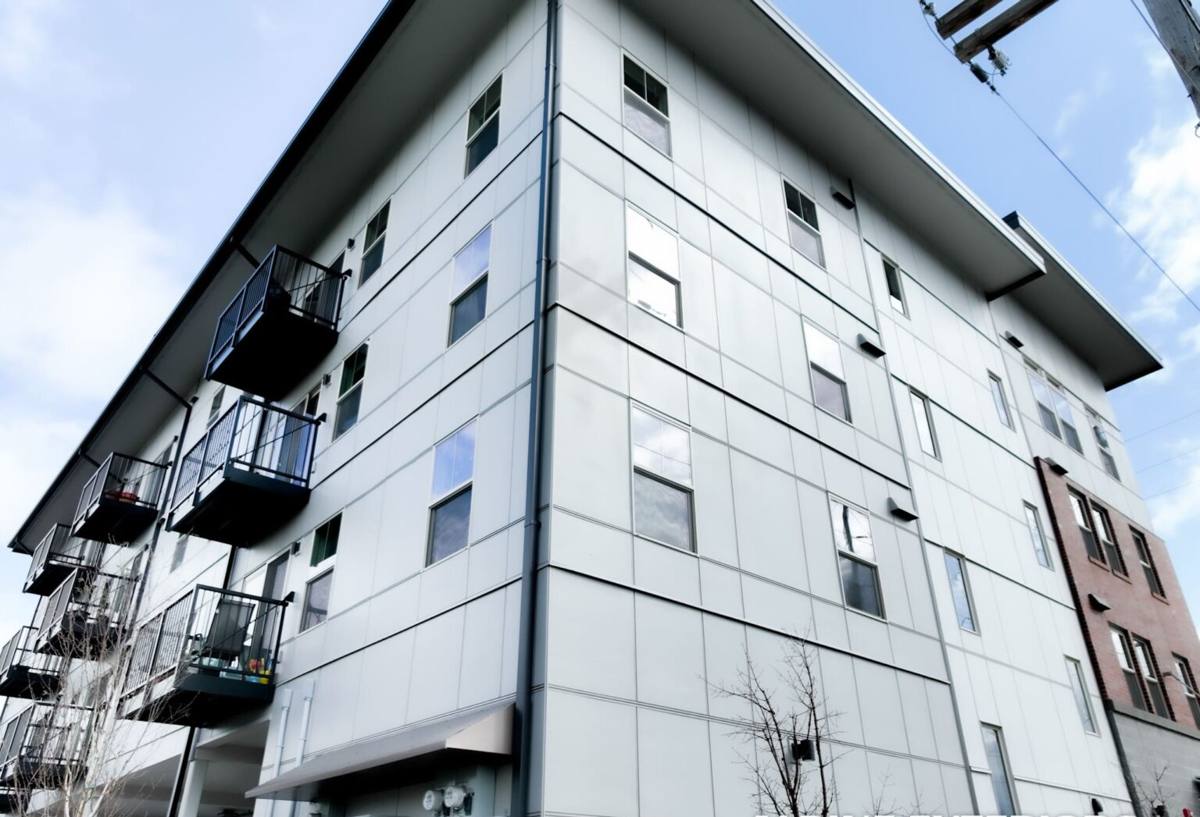
Given that combination of exposures, siding on a Cherry Point home needs to manage water at every joint and penetration, resist moisture absorption rather than swelling or softening when it takes on water, hold its factory finish under UV and salt exposure without chalking or fading unevenly, and tolerate freeze-thaw cycling through a wet Pacific Northwest winter without cracking. It also needs a drainage plane behind it — a way for any water that does get past the cladding to escape instead of sitting against the sheathing.
Why We Install Only James Hardie Fiber Cement
We standardized on James Hardie fiber cement for every home we side, and a coastal Whatcom County property is exactly the case that standard was built for. Hardie's HZ5 product line is engineered specifically for climates that combine sustained moisture with freeze-thaw cycling — which describes Cherry Point better than it describes most of the country. The fiber cement itself doesn't absorb water the way wood-based products can, and it's non-combustible, which matters independent of the coastal exposure.
The factory-applied ColorPlus finish is baked on under controlled conditions rather than rolled or sprayed on site, and it holds up more consistently against UV and salt exposure than field-applied paint does over time. That matters more here than it would on a sheltered inland lot, because the finish is fighting a harder environment for longer stretches of the year.
We get asked why we don't also install vinyl, LP SmartSide, or cedar. Each of those has real strengths, and we're not going to pretend otherwise. But vinyl's seams and expansion behavior aren't built to manage wind-driven rain at a waterfront home the way a properly detailed fiber cement joint can, engineered wood products carry moisture-exposure maintenance obligations that are harder to stay ahead of in a wet climate, and cedar needs ongoing refinishing to keep performing once it's exposed to salt air and shade. Weighing those trade-offs against what we see holding up on homes in this area is exactly why fiber cement is the one product we put our name behind.
What a Correct Installation Involves
Fiber cement siding is only as good as the installation underneath the finish. A correct job on a Cherry Point home covers several details that don't show up in a drive-by look at the finished wall.
House Wrap and Drainage Plane
A continuous, properly lapped weather-resistive barrier goes on before any siding, with a drainage gap that lets incidental moisture drain and dry rather than sit against the sheathing. This is the layer doing the real waterproofing work — the siding sheds the bulk of the water, the drainage plane handles what gets through.
Manufacturer Clearances
Hardie specifies minimum clearances from grade, roof lines, decks, and other transitions. Skipping those clearances to save a few inches of material is one of the most common corner-cutting mistakes on fiber cement jobs, and it's exactly the kind of shortcut that causes problems faster in a wet, waterfront climate than it would somewhere dry.
Fastener Selection
Given the salt air, fastener choice isn't optional — it needs to be corrosion-resistant hardware rated for the exposure, driven at the correct depth and spacing. Under- or over-driven fasteners are a common source of premature siding failure, and salt air accelerates the damage from a fastener mistake that might go unnoticed for years inland.
Joint and Seam Treatment
Butt joints, corners, and trim transitions need to be detailed the way the manufacturer specifies — whether that's a specific caulk product and joint width, or a trim detail designed to shed water without relying on caulk as the primary defense. Caulk is a maintenance item, not a substitute for correct flashing.
Our Process From Estimate to Finished Wall
- On-site inspection and moisture check — we look at the existing wall assembly, check for soft sheathing or trapped moisture, and assess sun/shade exposure and prevailing wind direction for that specific house.
- Product and color selection — HZ5 lap, panel, or shingle profile, along with a ColorPlus finish, chosen for the home and its exposure.
- Tear-off and sheathing repair — old siding comes off, and any damaged sheathing found underneath gets replaced before anything new goes on. This step is where waterfront homes most often turn up surprises.
- House wrap and flashing installation — a continuous drainage plane and correctly lapped flashing at every window, door, and penetration.
- Siding installation to manufacturer spec — correct clearances, fastener type and pattern, and joint treatment throughout.
- Trim, caulking, and touch-up — factory-cut edges get sealed per Hardie's guidance, and any field cuts are treated so the cut edge isn't left exposed.
- Cleanup and walkthrough — job site cleared, and we walk the finished exterior with the homeowner.
- Warranty registration — the installation is registered so the manufacturer's warranty coverage is properly in place.
Cost Factors for a Cherry Point Fiber Cement Project
Every project prices differently, but the factors that move the number the most on a waterfront Whatcom County home are fairly consistent:
| Factor | Why It Matters Here | Effect on the Project |
|---|---|---|
| Total wall area | Determines base material and labor | Largest single driver of overall cost |
| Condition of existing sheathing | Waterfront homes see more moisture-related sheathing damage | Repairs add cost but are found only after tear-off |
| Tear-off vs. removal complexity | Old siding type and number of layers affect labor | More removal labor on multi-layer or brittle old siding |
| Trim and detail complexity | Gables, dormers, and multiple roof lines add joints and flashing points | More labor-intensive detailing |
| Product line and profile | HZ5 panel, lap, or shingle profiles price differently | Affects material cost |
| ColorPlus color selection | Some colors and finishes carry a premium | Minor to moderate effect on material cost |
Maintenance in a Salt-Air, High-Moss Climate
Fiber cement is low-maintenance compared to wood, but "low-maintenance" isn't "no-maintenance," especially in this environment. A short seasonal routine keeps a correctly installed job performing for the long run:
- Rinse salt film and general grime off exterior walls a couple of times a year, especially on sides facing open water.
- Keep gutters and downspouts clear so water sheets off the roof correctly instead of running down wall faces.
- Trim back vegetation and tree limbs that shade walls, to cut down on the moisture and shade that feed moss.
- Check shaded, low-sun walls for early moss or algae growth and address it before it spreads or holds moisture long-term.
- Inspect caulking at trim and joints annually and have any cracked or failed sections redone.
- Look for fastener staining or corrosion streaks and have any exposed or corroding fasteners addressed early.
Signs Your Current Siding Is Losing the Fight
On homes we're called out to in this area, a handful of warning signs show up again and again before a full failure:
- Soft or spongy spots when you press on the siding, especially near the bottom courses or around penetrations.
- Paint or finish that keeps failing in the same spots no matter how often it's redone.
- Persistent moss or black streaking that comes back shortly after cleaning.
- Visible rust or corrosion staining running from fastener heads.
- Gaps opening up at trim and corner boards.
- Boards that are visibly cupping, warping, or separating from the wall.
Why Hire a Crew That Already Works Cherry Point and Semiahmoo
A crew that already works this stretch of Whatcom County has seen which walls on a given lot take the worst of the wind-driven rain, understands how much of a difference tree cover and water exposure make to moss growth and drying time, and knows what to expect when the old siding comes off a home that's been sitting a few hundred yards from the water for decades. That local pattern recognition shows up in better decisions during the actual installation — where to add extra flashing attention, which walls need the most careful joint detailing, and what maintenance advice actually fits this specific microclimate rather than a generic checklist.
Being local also means we're around for warranty service and follow-up questions long after the crew has moved on to the next job, which matters more with a manufacturer warranty that's meant to be honored over decades, not months.
If you're weighing siding options for a home in Cherry Point or elsewhere around Semiahmoo, we're happy to take a look and walk you through what we see — no pressure, no obligation. A free estimate gets you a real assessment of your walls and a straight answer on what correct fiber cement siding would involve for your specific house.