 Semiahmoo
 Why Peace Arch Homes Wear Out Siding Faster Than Most
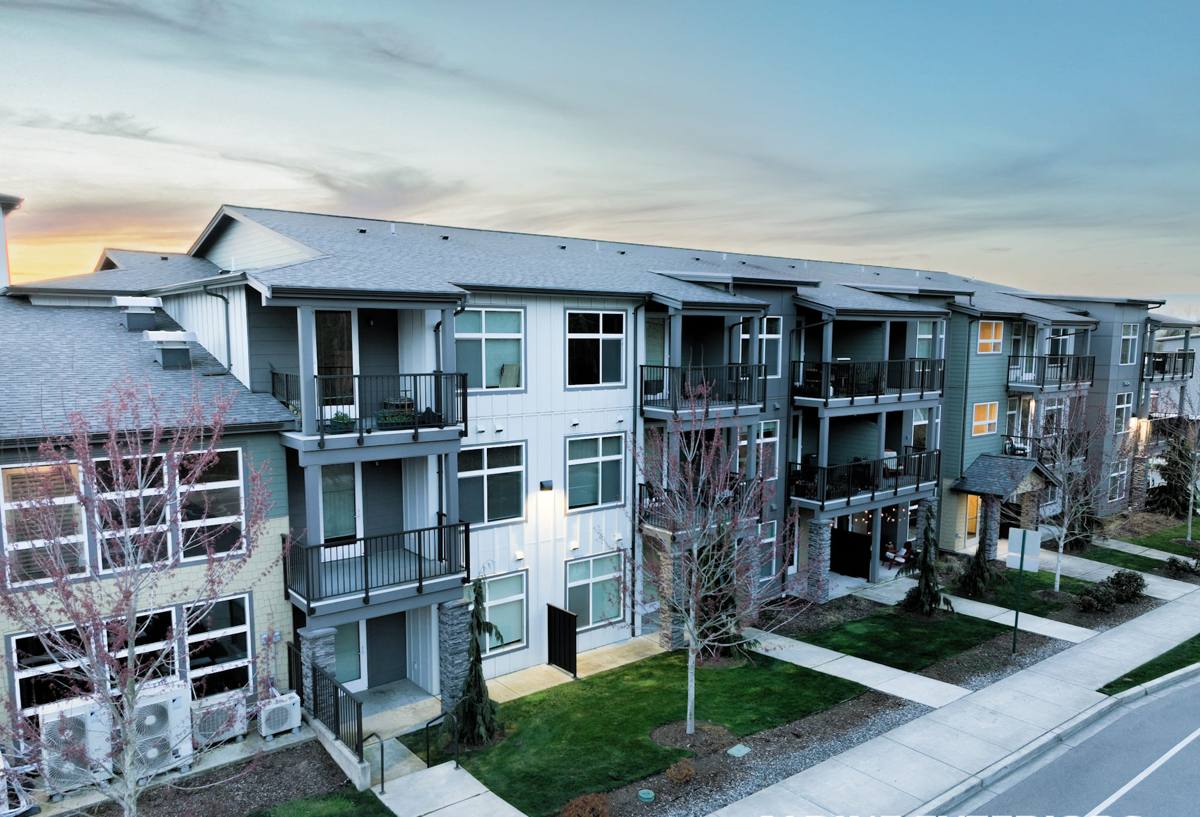
Homes in the Peace Arch area sit close enough to the water that salt-laden air is a daily fact of life, not an occasional weather event. Add Whatcom County's pattern of driving, wind-pushed rain and a moss season that can run eight or nine months out of the year, and you have one of the more demanding siding environments in western Washington. This isn't a place where you can install whatever's cheapest and expect it to look good in a decade. The combination of salt, sustained moisture, and shaded, slow-drying exterior walls is exactly the environment that exposes weak siding systems and poor installation work fastest.
Salt air accelerates corrosion on fasteners, trim flashing, and any metal components tied into the siding system. Driving rain finds every gap in flashing and caulking that a calmer climate would never test. And moss doesn't just grow on roofs here — it takes hold on north-facing walls, under eaves, and anywhere siding stays damp longer than it dries. Left unmanaged, moss holds moisture directly against the siding surface, which is a slow but steady path to rot, delamination, and paint failure on lesser materials.
What "Correct" Siding Installation Actually Means Here
A siding job that looks fine on install day can still fail in this climate within a few years if the details underneath aren't right. In Peace Arch specifically, we pay close attention to the parts of the job nobody sees once it's finished:
Water Management Behind the Siding
Every wall gets a continuous water-resistive barrier, properly lapped so water sheds downward and outward rather than pooling behind the cladding. Where the barrier is torn, punctured, or improperly overlapped by a previous installer, water gets a direct path to the sheathing — and in a climate this wet, that path gets used.
Rain Screen Gap
A ventilated gap between the water-resistive barrier and the back of the siding lets any moisture that does get behind the cladding drain and dry out instead of sitting against the wall assembly. This matters more here than in drier parts of the state, where a face-nailed, no-gap installation might get away with sloppier practice for longer.
Flashing at Every Penetration
Windows, doors, hose bibs, light fixtures, and vents are all places where driving rain finds its way in if flashing is missing or installed backwards. We flash every penetration and every horizontal trim transition — the places most commonly skipped on rushed jobs.
Fastener Schedule and Corrosion Resistance
Given the salt air, fastener choice isn't cosmetic — it's structural longevity. We follow manufacturer-specified corrosion-resistant fasteners and nailing patterns rather than whatever's fastest to shoot, because a fastener that starts rusting in five years telegraphs staining and loosens the whole panel.
Why We Install James Hardie and Nothing Else
We standardized on James Hardie fiber cement siding for every job we take on, including here in Peace Arch, and we're upfront about why. Fiber cement doesn't absorb and swell with moisture the way wood-based products can, and it won't support rot the way an untreated or under-primed wood substrate will if water gets past the surface finish. That matters enormously in a climate where walls stay damp for long stretches and moss is a near-constant presence.
Hardie's ColorPlus factory finish is baked on under controlled conditions, which gives it more consistent resistance to fading, cracking, and moisture intrusion at the surface than field-applied paint typically achieves — and a finish that holds up means fewer repaint cycles in a climate that's hard on exterior coatings. Hardie's HZ5 product line is also engineered specifically for climates with prolonged moisture exposure and freeze-thaw cycling, which fits the Whatcom County coastal profile better than a one-size-fits-all product. It's also non-combustible, which is a real advantage regardless of climate zone.
We don't install vinyl, LP SmartSide, primed spruce, cedar, or other fiber cement brands like Allura or Cemplank. That's a deliberate standard, not a knock on every homeowner who has one of those products already on their home — it reflects what we've found holds up with the least maintenance burden and the fewest callbacks in exactly the conditions Peace Arch homes face.
How Siding Materials Compare in This Climate
| Material | Salt Air / Corrosion | Moss & Moisture Resistance | Maintenance Burden |
|---|---|---|---|
| James Hardie fiber cement | Non-metallic substrate; factory finish resists salt-driven fading | Doesn't absorb moisture into the board; less prone to rot from trapped moss moisture | Occasional wash; repaint cycle far longer than field-painted wood |
| Vinyl siding | Can become brittle and discolor faster near salt air over time | Won't rot, but moss and grime sit on the surface and panels can warp with heat/moisture cycling | Low, but limited repair options if panels crack or fade |
| Primed wood / cedar | Fasteners and trim corrode faster; salt accelerates coating breakdown | Absorbs moisture; most vulnerable to rot under sustained moss and damp shade | High — regular repainting and moisture inspection required |
| LP SmartSide / engineered wood | Moderate; edge sealing is critical near salt exposure | Engineered strand product is more moisture-sensitive at cut edges and joints than fiber cement | Moderate to high — edge and joint maintenance is ongoing |
Our Process for Peace Arch Homes
The steps are the same discipline we bring to every job, adjusted for what this specific area throws at a house.
1. On-Site Assessment
We walk the exterior, check for existing moss buildup, moisture staining, soft trim, and areas of the home that get the least sun exposure — those north- and east-facing walls are usually where moisture problems show up first.
2. Tear-Off and Sheathing Check
Old siding comes off and we inspect the sheathing underneath before anything new goes up. If moisture has already gotten into the wall assembly, that gets addressed before we close the wall back up — covering a wet problem with new siding just delays it.
3. Water-Resistive Barrier and Rain Screen Installation
New barrier, properly lapped, with a rain screen gap installed per manufacturer spec so the wall assembly can dry.
4. Hardie Installation to Manufacturer Spec
Fastener schedule, joint treatment, and flashing details follow James Hardie's published installation requirements — not a generalized "siding install," but the specific method that keeps their warranty valid and performs the way the product is engineered to.
5. Final Walkthrough
We check caulking, trim lines, and flashing details before we consider the job finished, and walk the property with the homeowner.
Why Local Installation Experience Matters
A crew that mostly works drier inland areas can do a technically fine install and still miss the details that matter most near the water. Fastener corrosion resistance, rain screen detailing, and flashing at penetrations aren't optional extras here — they're the difference between siding that looks good at year one and siding that still looks good at year fifteen. Working this specific stretch of Whatcom County regularly means we're not guessing at how salt air and moss season behave on a wall — we see it on every job.
What to Watch For If You're Getting Quotes
- Does the quote specify a rain screen gap, or just "house wrap and siding"?
- Are corrosion-resistant fasteners called out specifically, or left unspecified?
- Will the crew inspect and address sheathing condition before re-siding, not just after?
- Is flashing detailed at every window, door, and penetration — not just the field of the wall?
- Does the installer follow the manufacturer's published install spec closely enough to keep the material warranty intact?
- Can they explain, plainly, why they recommend the specific product they're quoting for your home's exposure?
Maintenance After Installation
Even the right material benefits from basic upkeep in this climate. A periodic gentle wash to keep moss and organic buildup from taking hold on shaded walls, keeping gutters clear so water doesn't sheet down the siding face, and trimming back vegetation that keeps a wall shaded and damp all extend the life of any siding system — Hardie included. The difference is that when moss or grime does build up, a properly installed fiber cement wall with a factory finish holds up to cleaning far better than raw or field-painted wood siding does.
If you're planning a siding project in the Peace Arch area, we're glad to walk your property, look at what your home is actually dealing with, and put together a straightforward, no-pressure estimate. There's no charge and no obligation — just a look at what correct installation would take for your specific home.