 Semiahmoo
 Why Cherry Point's Exposure Is Tough on Siding
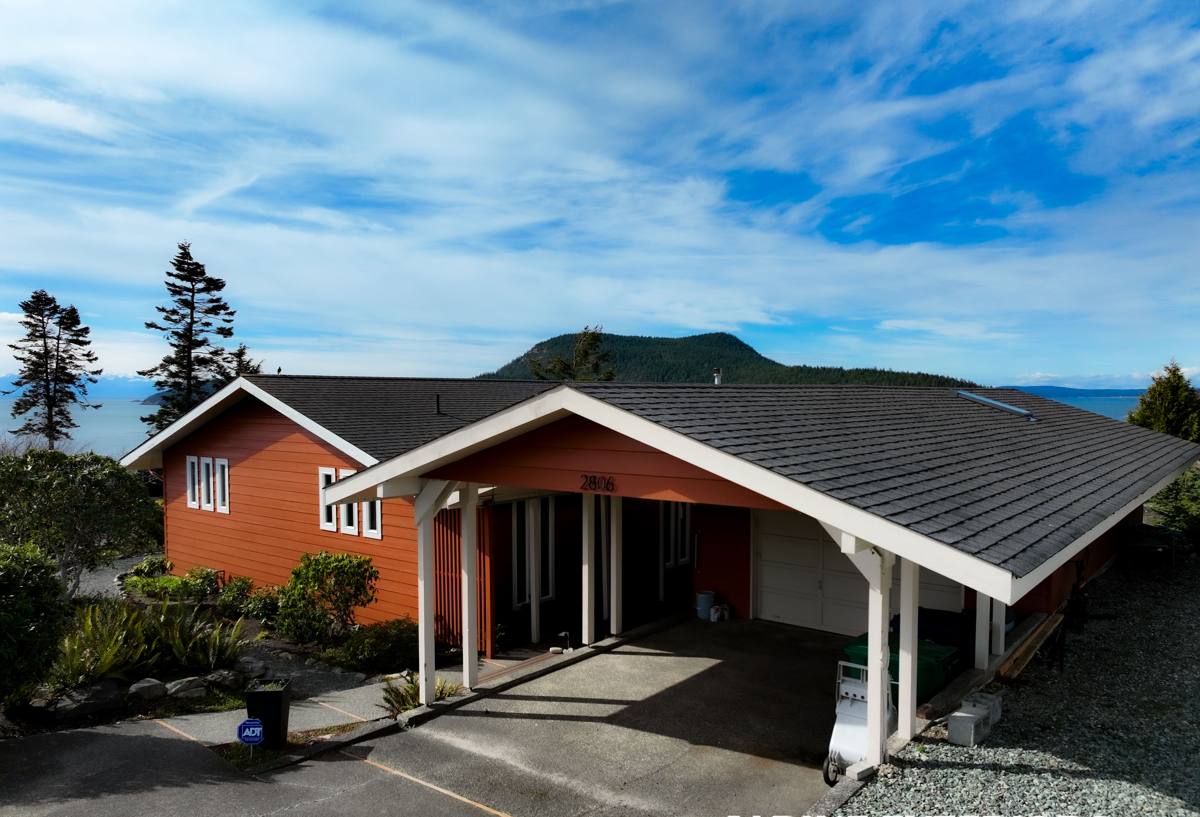
Cherry Point sits out on the water, on the Whatcom County coastline where wind and moisture come straight off the Strait of Georgia with nothing to slow them down. Homes here take a different kind of beating than a house tucked inland in Bellingham or Ferndale. Salt-laden air works on fasteners, trim, and finishes year-round. Wind-driven rain doesn't just fall straight down — it gets pushed sideways into siding laps, corner boards, and window trim where water isn't supposed to go. And because this stretch of Whatcom County stays damp and mild for most of the year, moss and algae get a long runway to establish themselves on anything that holds moisture, especially on north-facing walls and areas shaded by trees or neighboring structures.
None of that is exotic weather. It's just persistent. Siding here doesn't fail from one bad storm — it fails slowly, from years of moisture cycling in and out of material that wasn't built to shed it, or from a job that didn't manage water correctly on day one. That's the lens we use for every Cherry Point project: not "will this look good going up," but "will this still be doing its job in twenty years of salt air and rain."
What Correct Installation Involves in This Environment
James Hardie siding performs well on the Whatcom County coast, but the product only delivers on that reputation when it's installed to spec. On a waterfront-exposed property, a handful of details matter more than they would on a sheltered inland lot.
Flashing and Water Management
Every horizontal joint, window head, and penetration needs flashing that actually directs water back out and away from the wall assembly, not just a bead of caulk hoping to hold. On a house catching driving rain off the water, a skipped flashing detail is exactly the kind of thing that turns into a slow leak behind the siding a few years later.
Fastening and Gaps
Hardie board needs the manufacturer's specified gaps at butt joints, trim, and other siding-to-siding transitions to allow for the material's normal expansion and contraction. Fasteners need to be the corrosion-resistant type and driven to the correct depth — not overdriven, not underdriven. In a salt-air environment, using the wrong fastener is a maintenance problem you won't notice until rust streaks start showing up on the face of the siding.
Finish and Sealant Choices
Cut edges get sealed, not left raw. Sealant used around trim and penetrations needs to be a product rated for exterior movement and UV exposure, applied at manufacturer-specified joints only — not smeared everywhere as a substitute for correct flashing. A rain screen or proper drainage gap behind the siding, where the assembly calls for it, gives incidental moisture a way out instead of trapping it against the sheathing.
Why James Hardie Fits This Climate
We install James Hardie fiber cement exclusively, and on a property like this, the reasons are practical, not brand loyalty. Hardie's HZ5 formulation is engineered for climates with significant moisture exposure and temperature swings — which describes the Pacific Northwest coast well. Fiber cement doesn't absorb and swell the way wood-based products can, and it doesn't degrade under UV and moisture the way some engineered wood siding does over time. The factory-applied ColorPlus finish is baked on under controlled conditions, which gives it better adhesion and fade resistance than field-applied paint holds up to over years of coastal sun and salt exposure. It's also non-combustible, which matters to some homeowners regardless of location. We don't install LP SmartSide, vinyl, or other fiber cement brands — we standardized on one product line so we can install it correctly and stand behind it, rather than spreading our crews thin across several systems with different quirks and failure points.
How Common Siding Materials Hold Up on This Coast
| Material | Salt air / moisture behavior | Moss and algae resistance | Finish longevity |
|---|---|---|---|
| James Hardie fiber cement | Doesn't swell or rot; handles wind-driven rain well when installed with correct flashing | Hard, dense surface resists moss growth better than porous wood-based products | Factory ColorPlus finish holds color for years without repainting |
| Vinyl siding | Doesn't absorb moisture, but can warp or crack in temperature swings; seams can allow water behind panels | Smooth surface sheds moss reasonably well, but grime builds in seams over time | Color is baked into the material but fades and chalks with UV exposure over the years |
| Engineered wood (LP SmartSide type) | Wood-based core is more vulnerable to swelling and edge damage if moisture gets in | More porous surface can hold moisture longer, giving moss and algae more to grip | Needs field-applied paint or factory finish that requires more diligent maintenance |
| Cedar / primed wood | Natural material that moves with moisture; most vulnerable to rot without diligent upkeep | Most prone to moss and algae of the common options in a wet coastal climate | Requires regular refinishing to hold up against UV and moisture |
Our Process, Start to Finish
- On-site assessment: We walk the exterior, check current siding condition, look at trim and flashing details, and note exposure — which walls take the worst of the wind and rain off the water, which stay shaded and damp longer.
- Scope and product selection: We recommend the Hardie product line, profile, and ColorPlus color that fits the home and the exposure, and lay out what the job includes — tear-off, water management upgrades, trim, and siding.
- Written estimate: A clear, itemized quote before any work starts. No surprise change orders for things we should have caught during the walkthrough.
- Prep and water management: Removal of old siding, inspection of sheathing for hidden moisture damage, and installation of correct flashing, house wrap, and drainage details before a single piece of Hardie goes up.
- Installation to manufacturer spec: Correct fastening, gaps, and sealant application, following James Hardie's installation requirements rather than shortcuts that might look fine at handoff but cause problems in a few years.
- Final walkthrough: We go over the finished job with the homeowner, point out details, and answer questions about care going forward.
Moss Season and What Long-Term Care Looks Like
Western Washington's moss season runs long — realistically, whenever conditions stay cool and damp, which on this part of the coast is most of the year outside of summer. Fiber cement siding won't feed moss the way porous wood-based siding can, but nothing is immune to buildup, especially on shaded north walls, under overhangs, or near trees that keep moisture from drying off between rains. The good news is that Hardie's dense surface makes periodic cleaning straightforward — a gentle rinse and, when needed, a soft wash to remove buildup — without the material breaking down the way a softer or more porous product would after repeated cleanings. We're happy to walk homeowners through a simple maintenance routine that keeps a Hardie exterior looking right for the long haul without over-scrubbing or using pressure that could damage the finish.
Signs Your Current Siding Is Losing the Battle
- Persistent green or black staining that comes back quickly after cleaning
- Soft spots, bubbling, or visible swelling anywhere on the siding face or at panel edges
- Caulking that's cracked, shrunk, or pulled away from trim and window edges
- Rust streaking below fastener heads or metal trim pieces
- Paint or finish that's peeling, chalking heavily, or has lost most of its original color
- Visible gaps or warping at butt joints and corners
- Soft or discolored sheathing visible if a section of siding is pulled back for inspection
Any one of these on its own might just need a repair. Several at once, especially on the walls that take the worst of the wind and rain, usually means the assembly behind the siding has been letting moisture in for a while.
What Drives Cost on a Cherry Point Job
| Factor | Why it moves the price |
|---|---|
| Extent of tear-off and hidden damage | Rotted sheathing or framing found once old siding comes off adds repair work beyond the siding itself |
| Water management upgrades needed | A home with outdated or missing flashing and drainage details needs more work brought up to current standards |
| Home size and wall complexity | Cutting and fitting around dormers, multiple gables, and trim details takes more labor than a simple rectangular wall |
| Product line and finish selected | Different Hardie profiles and ColorPlus colors carry different material costs |
| Site access | Waterfront lots with steep grades or limited equipment access can add labor time |
Every property is different, which is why we walk the exterior in person before giving a number rather than quoting off a phone call or photos.
Why a Crew That Already Works Cherry Point Matters
A contractor who mostly works inland jobs can install Hardie siding competently and still miss the details that matter on an exposed coastal property — the extra attention to flashing on a wall that takes wind-driven rain, the fastener choice that holds up against salt air instead of streaking within a couple of years, or which walls in this specific microclimate need the most attention to moss and moisture. A crew that regularly works properties along this stretch of Whatcom County has already seen what happens when those details get skipped, and builds the fix into the job from the start instead of learning it the hard way on your house.
If you're weighing a siding project on your Cherry Point property, we're glad to come take a look, walk you through what we're seeing, and put together a straightforward, no-pressure estimate — use the form below to get started.