 Semiahmoo
 Window Replacement in Custer: Built for What This Climate Actually Does
Custer sits close enough to the water that homes here take a different kind of weathering than houses even twenty miles inland. Salt-laden air off the Strait, driving rain that comes in sideways during winter storms, and a moss season that can run half the year all work on window frames, sills, and seals in ways that dry-climate windows were never designed to handle. A window replacement done right in Custer accounts for all three. A window replacement done generically often fails at exactly the joints and seals that matter most here.
This page is about one job in one area: replacing windows on homes in and around Custer, within the broader Semiahmoo and Whatcom County service area. It's not a general buying guide — it's what we've learned installing and maintaining windows on homes that face this specific mix of salt, rain, and moisture.
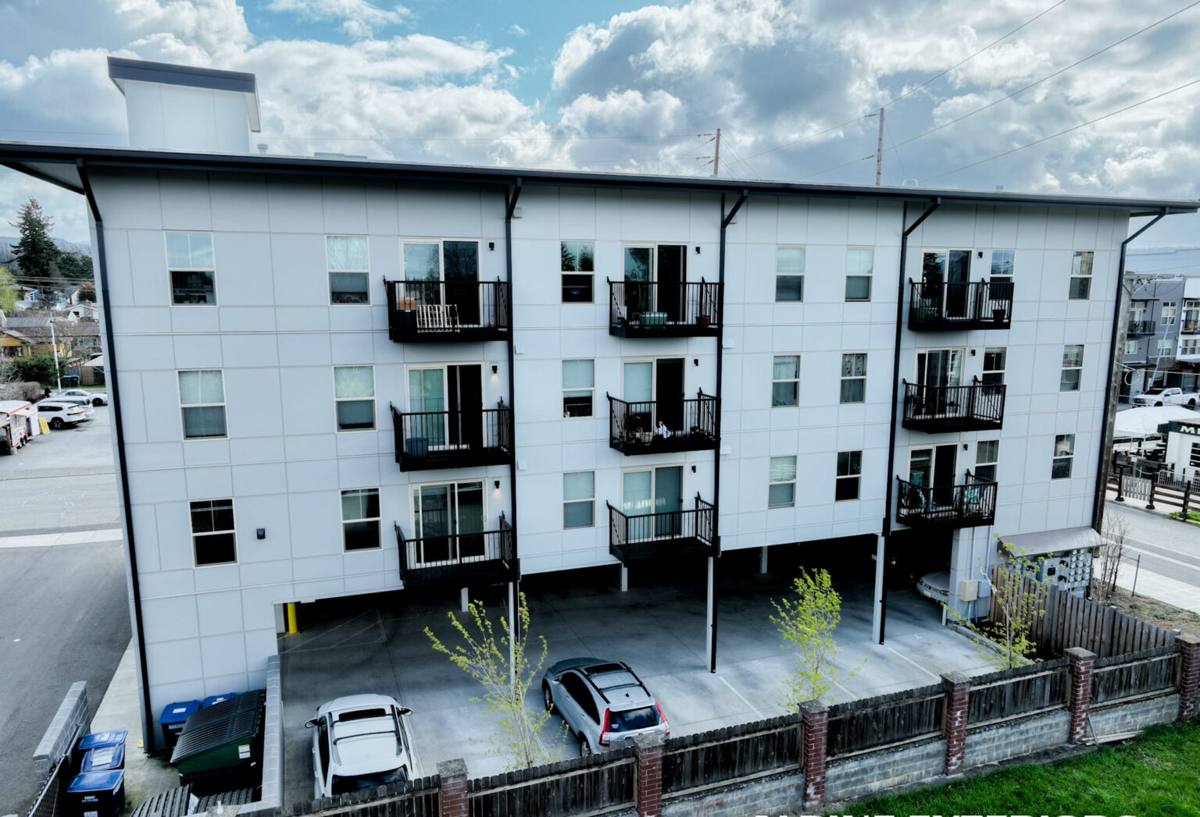
What Salt Air, Driving Rain, and Moss Season Do to Old Windows
Salt Air
Airborne salt is corrosive to exposed metal — window balances, hinges, screws, and older aluminum frames all take a slow beating. Salt also holds moisture against surfaces longer than dry air would, which accelerates wood rot at sills and casings and speeds up the breakdown of cheaper sealants and gaskets.
Driving Rain
Wind-driven rain doesn't just fall on a window — it gets pushed sideways into any gap in the flashing or trim. A window that would stay dry in a calm rain can leak in a Custer windstorm if the flashing details weren't done correctly the first time. This is the single biggest cause of hidden water damage we find behind older window trim in this area.
Moss Season
Moss doesn't just grow on roofs. It takes hold in window sill grooves, weep holes, and anywhere wood trim stays damp and shaded, which is common on the north and west sides of homes here for much of the fall through spring. Moss holds moisture against the frame constantly, which is exactly the condition that rots wood and degrades caulking fastest.
None of these three things alone is unusual. Combined, and repeated year after year, they're why windows in this part of Whatcom County often show real wear well before the glass itself fails.
Signs a Custer Home May Need Window Replacement, Not Just Repair
- Fog or a hazy film between the panes of double-pane glass — the seal has failed and can't be repaired, only replaced
- Soft, spongy, or discolored wood at the sill or bottom corners of the frame
- Visible moss or persistent green staining in the sill track or weep holes
- Windows that are painted shut, hard to open, or don't stay up without a prop
- A cold draft near the frame even with the window fully closed and locked
- Condensation forming on the inside of the glass regularly during colder months
- Noticeable outside noise that seems louder than it should be for the window's age
- Rising heating bills without any other clear explanation
Any one of these can sometimes be handled with a repair. Several at once, especially rot at the sill, usually means the frame itself is compromised and repair is a short-term patch, not a fix.
What a Correct Window Replacement Job Actually Involves
Swapping glass for glass is the easy part. What separates a window replacement that lasts from one that leaks again in three years is everything around the window itself.
Removing the Old Window Without Hiding Problems
We pull the old window out fully rather than doing a quick insert-over-insert job, so we can see the actual condition of the rough opening, the sheathing, and the framing behind it. In a climate like this, hidden rot behind old trim is common enough that skipping this step means installing a good window into a bad opening.
Flashing and Water Management
This is the part that matters most for driving rain. Proper window flashing directs any water that gets past the exterior trim back out and away from the wall assembly, using correctly lapped house wrap, sill pan flashing, and head flashing — in that order, so water always sheds downward and outward, never into the wall.
Sealing and Insulation
Gaps around the new frame get filled with proper low-expansion foam or backer rod and sealant, not just caulk smeared over a crack. Interior and exterior sealing are both done — sealing only the outside traps moisture inside the wall cavity, which is one of the more common mistakes we see corrected on older homes.
Trim and Finish
Exterior trim gets resealed or replaced as needed, with attention to the same weep and drainage paths that keep moss and standing water from building up again in the sill area.
Choosing a Window Frame Material for a Coastal Whatcom County Home
Frame material matters more here than in a drier inland climate, because the frame is what's constantly exposed to salt air and moisture. Here's how the common options hold up for this specific environment.
| Frame Material | Moisture & Salt Air Performance | Maintenance | Notes for Custer Homes |
|---|---|---|---|
| Vinyl | Does not rot or corrode; handles salt air well | Low — occasional cleaning | Our most common recommendation here; good value and low upkeep |
| Fiberglass | Excellent — very stable, resists moisture and salt exposure | Low | Strong option for exposed or west/north-facing walls; higher upfront cost |
| Aluminum | Prone to corrosion and condensation over time in salt air | Moderate to high | We generally steer clients away from bare aluminum in this specific climate |
| Wood (unclad) | Attractive but vulnerable to rot without diligent upkeep | High — regular painting/sealing | Can work with a committed maintenance schedule; more exposure risk here than inland |
| Wood-Clad (vinyl or fiberglass exterior) | Good — cladding protects the wood core from the elements | Low to moderate | Solid middle ground when the interior wood look is a priority |
We don't push one brand or product line as a blanket rule — we size the recommendation to the wall's exposure. A window on a sheltered, south-facing wall has an easier life than one facing the prevailing wind and rain off the water, and the material choice can reflect that.
Glass Package Basics
Double-pane, low-E glass with argon fill is the standard baseline for this climate — it manages heat loss and condensation risk well. For rooms exposed to more direct weather or road noise, a triple-pane or upgraded gas-fill option is worth pricing out, though it's not a requirement for every window on the house.
Our Process for Custer Window Replacement Projects
- On-site assessment — we look at each window individually, not just the house as a whole, since exposure varies wall to wall
- Honest scope — we tell you which windows genuinely need replacement now, which can wait, and which just need repair
- Written estimate — clear pricing by window, with material options explained rather than a single take-it-or-leave-it number
- Scheduling around the weather — we plan install days to minimize how long any opening sits exposed, which matters more here than in a drier climate
- Installation — full removal, inspection of the opening, correct flashing and sealing, and finish trim work
- Walkthrough — every window opens, locks, and seals correctly before we consider the job done
What Affects the Cost of Window Replacement in This Area
| Cost Factor | Why It Matters |
|---|---|
| Number of windows | Per-window cost typically drops on larger, whole-house projects |
| Frame material | Vinyl is generally the most budget-friendly; fiberglass and wood-clad cost more upfront |
| Condition of the rough opening | Hidden rot or damaged sheathing found during removal adds repair scope |
| Window size and type | Large picture windows, bays, or custom shapes cost more than standard operable windows |
| Glass package | Upgrading to triple-pane or specialty coatings adds cost per window |
| Wall exposure | Highly exposed walls may warrant extra flashing detail or better materials, adding some labor |
Whole-home window replacement is a real investment, and prices vary enough by these factors that we'd rather give you an accurate number after seeing your windows than a broad estimate that doesn't hold up once we're on site. As a general range, most homeowners in this area should expect individual window replacement costs to fall somewhere in the low-to-mid thousands depending on size, material, and how many windows are done at once — but the honest answer is always specific to your house.
Why Hiring a Crew That Already Works in Custer Matters
A window installer who mostly works inland doesn't necessarily think about flashing details the same way, because they haven't had to fix as many callbacks caused by driving rain finding a gap. Crews familiar with Custer and the broader Semiahmoo area already know which wall orientations take the worst weather, how bad moss buildup can get in a sill track left unchecked, and why sealing corners twice is worth the extra ten minutes.
That local pattern recognition doesn't replace good technique, but it does mean fewer surprises — and fewer callbacks — on a job that's genuinely harder to get right here than it is thirty miles inland.
Keeping New Windows Performing After Install
- Clear moss and debris from sill tracks and weep holes each fall before the wet season sets in
- Rinse salt residue off exterior frames periodically, especially after storms
- Check exterior caulking annually and touch up any cracking before it lets water in
- Keep gutters and downspouts clear so roof runoff isn't sheeting down over window heads
- Report any new drafts, condensation, or sticking promptly — small issues are cheap to fix early
A correctly installed window in a good frame material should need very little of this, but a few minutes of seasonal upkeep goes a long way toward protecting the investment in a climate this consistently damp.
If you're weighing whether your windows need repair or full replacement, we're happy to take a look and give you a straight answer — no pressure, no obligation. Use the form below to request a free estimate for your Custer home.