 Semiahmoo
 Why Roofs in Lynden Wear Down Faster Than You'd Expect
Lynden sits inland from the water, but "inland" in Whatcom County doesn't mean dry. The same marine air that moves across Semiahmoo Bay and the Strait of Georgia pushes east over the Nooksack valley, carrying moisture — and a fair amount of salt — with it. Add the region's driving rain, which comes in sideways more often than straight down, and you get a roof that's wet or damp for long stretches of the year rather than just during storms.
Then there's moss. Western Whatcom County's moss season isn't a few weeks in spring — it's realistically fall through late spring, especially on north-facing slopes and anywhere shaded by trees or a neighboring structure. A roof that isn't built and ventilated correctly for this pattern doesn't fail all at once. It fails slowly: trapped moisture rots decking from underneath, moss lifts shingle edges and holds water against the surface, and granule loss speeds up in ways that aren't obvious from the ground until a leak shows up inside the house.
None of this means Lynden homes need exotic materials or an unusual roofing approach. It means the ordinary steps of a roof replacement — ventilation, underlayment, flashing — have to be done correctly and not skipped, because this climate doesn't forgive shortcuts the way a drier region might.
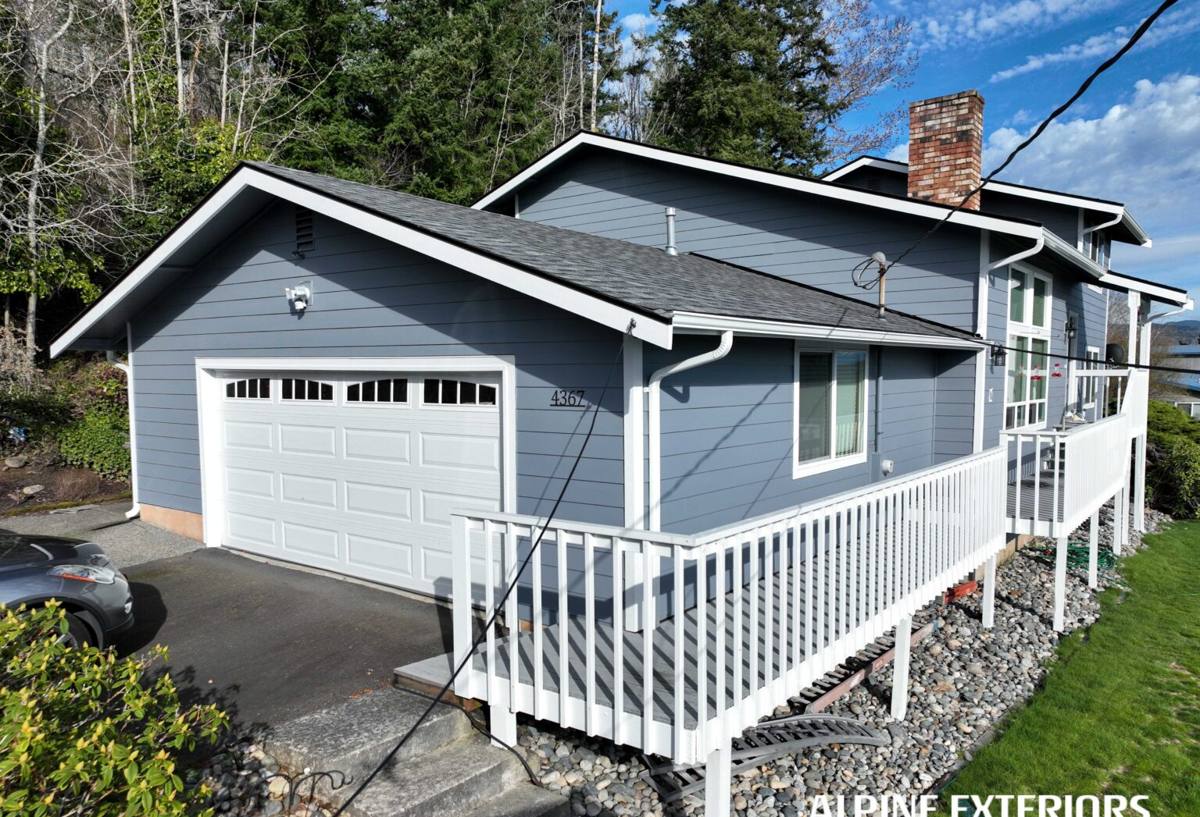
Signs Your Lynden Roof Is Telling You It's Time
Most roofs give warning before they leak. The trouble is that a lot of these signs are only visible from a ladder or a careful walk-around, not a glance from the driveway. Worth checking for, or asking a contractor to check for you:
- Shingles that are curling, cupping, or cracking, especially on south- and west-facing slopes
- Heavy granule buildup in gutters or at the base of downspouts
- Moss or dark algae streaking on north-facing or shaded sections of roof
- Daylight visible through the roof deck from inside the attic
- Soft or spongy spots on the roof surface when walked on
- Sagging along the ridge line or between rafters
- Missing, lifted, or blown-off shingles after a windstorm
- Rising heating bills with no other explanation, which can point to failing attic ventilation or insulation tied to roof condition
- A roof that's 20-25 years old and has never been fully replaced, only patched
Any one of these on its own might not mean a full replacement is due. Several together, or a roof already past the 20-year mark, usually does.
What a Correct Roof Replacement Actually Involves
A roof replacement is more than swapping old shingles for new ones. Done right, in this climate, it's a system — and every layer of that system matters more here than it would somewhere dry.
Tear-Off and Deck Inspection
Old roofing comes off down to the deck, not layered over. That's the only way to actually see the plywood or board sheathing underneath, which is where hidden moisture damage from a previous, poorly-vented roof usually shows up. Soft, delaminated, or stained decking gets replaced before anything new goes down — covering it up just relocates the problem.
Underlayment and Ice-and-Water Protection
Synthetic underlayment goes down over the full deck as the roof's secondary water barrier. In eaves, valleys, and around penetrations like chimneys and vent pipes, a self-adhering ice-and-water shield membrane adds a layer that seals around fastener penetrations — the spots most likely to leak under the kind of wind-driven, sideways rain this area gets.
Flashing
Flashing around chimneys, skylights, walls, and vent pipes is where most roof leaks actually start, not in the open field of shingles. New step flashing, counter-flashing, and valley metal should go in as part of the replacement, not get reused from the old roof just to save time.
Ventilation
Balanced intake (soffit) and exhaust (ridge) ventilation lets the attic breathe. Without it, warm moist air from the house gets trapped against the underside of the deck, which accelerates rot and, on the outside, keeps the roof surface damp longer after every rain — exactly the conditions moss needs to take hold.
Choosing the Right Roofing Material for This Climate
There's no single "best" roofing material for every home — it depends on budget, roof pitch, and how long you plan to own the house. Here's how the common options actually compare for a Whatcom County home:
| Material | Typical Lifespan | Moisture / Moss Resistance | Maintenance |
|---|---|---|---|
| 3-tab asphalt shingle | 15-20 years | Fair; more prone to moss without treatment | Low, but shorter service life |
| Architectural (laminate) asphalt shingle | 25-30 years | Good, especially with algae-resistant granules | Low |
| Standing seam metal | 40-50+ years | Very good; sheds moss and moisture well | Low, higher upfront cost |
| Cedar shake | 20-30 years with upkeep | Requires regular treatment in wet climates | High; needs periodic cleaning/sealing |
For most Lynden homes, architectural asphalt shingle is the practical middle ground — good performance against this climate's moisture and moss for a reasonable cost. Metal roofing costs more upfront but can make sense for homeowners planning to stay long-term, or on steep-pitch roofs where shedding water and moss quickly matters more. We'll walk through the trade-offs specific to your roof rather than pushing one option across the board.
Moss, Algae, and the Long Wet Season
Why It Forms Where It Does
Moss needs shade, moisture, and organic debris to get started — conditions that are easy to find on a north-facing slope under overhanging trees anywhere in Whatcom County, Lynden included. Once established, moss holds water against the shingle surface far longer than open air ever would, which is what actually causes the granule loss and shingle lifting that shorten a roof's life, more than the moss itself.
Built-In Prevention
Zinc or copper strips installed near the ridge during replacement release trace metal ions with every rainfall, which inhibits moss growth on the slopes below without any ongoing homeowner effort. Algae-resistant shingle granules do similar work across the whole roof surface. Neither is a substitute for keeping trees trimmed back and gutters clear, but both meaningfully cut down how often a roof needs manual moss treatment.
Our Roof Replacement Process
The steps don't change much from job to job — what changes is how carefully each one gets done.
- On-site inspection of the current roof, attic ventilation, and any visible interior signs of leaks or moisture
- A written scope and estimate covering material options, so you're choosing based on actual trade-offs, not guesswork
- Scheduling around the weather — in this climate, that means watching forecasts closely and not opening up a roof ahead of a multi-day rain system
- Tear-off, deck inspection, and any necessary sheathing repair, documented before it's covered up
- Underlayment, ice-and-water membrane, and flashing installation
- New roofing material installed to manufacturer specification, including proper nailing pattern and exposure
- Ridge and soffit ventilation confirmed balanced, not just present
- Full site cleanup, including a magnetic sweep for stray nails
- Final walk-through and warranty paperwork
Permits, Codes, and Insurance in Whatcom County
A full roof replacement (a tear-off down to the deck, as opposed to a repair) typically requires a building permit through the local jurisdiction, whether that's Whatcom County or the City of Lynden depending on where the property sits. A contractor who works in this area regularly handles that paperwork as a routine part of the job rather than something the homeowner has to chase down separately.
Beyond permitting, Washington requires roofing contractors to carry a state contractor license and bond through the Department of Labor & Industries, along with liability insurance. It's worth asking to see current license and insurance documentation before signing anything — a legitimate local contractor will have both on hand without hesitation. Keep your final invoice, material warranty information, and any inspection sign-off together; homeowners insurance carriers sometimes request proof of a documented, permitted replacement when questions come up later about roof age or condition.
What Affects the Cost of a Roof Replacement
Every roof is priced individually, but the same handful of factors drive most of the variation between one job and another:
| Factor | Why It Matters |
|---|---|
| Roof size and pitch | More square footage and steeper slopes both increase material and labor time |
| Number of existing layers | Multiple old layers mean more tear-off work before new material goes down |
| Decking condition | Rotted or delaminated sheathing found during tear-off requires replacement before proceeding |
| Material choice | Architectural asphalt, metal, and cedar carry different material and labor costs |
| Roof complexity | Valleys, dormers, skylights, and chimneys all add flashing detail and time |
| Access | Difficult site access or steep terrain can affect equipment and labor needs |
As a broad reference point, a full tear-off and replacement on an average single-family home in this area often lands somewhere in the range of $9,000 to $20,000 or more, depending on those factors — asphalt shingle roofs toward the lower end, metal roofing toward the higher end. The only way to get a number that actually means something for your house is a walk-around and a real measurement, not a phone estimate.
Why Hire a Crew That Already Works in Lynden
A roof replacement isn't a product you order — it's a job done by people, in your weather, on your specific roof. A crew that already works regularly in Lynden and the surrounding Whatcom County area knows how to schedule tear-offs around this region's rain patterns instead of gambling on an open roof deck overnight. They know which ventilation and moss-prevention details actually matter here versus what's marketing in a drier climate's install guide. And they're not disappearing after the invoice clears — if a flashing detail needs a second look after the next big storm, a local crew is a phone call away, not a company that drove in from three counties over for one job.
That local familiarity also shows up in smaller ways: knowing which supply houses stock materials without a long lead time, understanding the permit process with the relevant local jurisdiction, and having a realistic sense of how this area's mix of older farmhouses and newer construction were originally built, which affects what a tear-off actually finds underneath.
Getting Started
If your roof is showing any of the signs above, or you just want an honest read on how much life it has left, we're glad to come take a look. The estimate is free, there's no pressure attached to it, and you'll get a straight answer about whether you need a full replacement now, a repair that buys you a few more years, or nothing at all yet. Use the form below to get in touch and we'll set up a time to come out.