 Semiahmoo
 Roof Repair Built for Marietta's Coastline Climate
Marietta sits low along Semiahmoo Bay and Drayton Harbor, close enough to salt water that the air itself works against a roof year-round. Add Whatcom County's long, wet winters and the moss season that follows, and you've got a roofing environment that's tougher on materials than most inland parts of Washington. A roof repair here isn't just patching a leak — it's addressing why that leak started in the first place, which almost always traces back to salt exposure, standing moisture, or moss that's been left to grow.
We work on homes throughout the Semiahmoo Peninsula and the Marietta area regularly, so we're not guessing at what your roof has been through. We know what a shake roof looks like after ten winters of driving rain off the bay, and we know the difference between a shingle that's simply aged and one that's failing because salt-laden moisture got underneath it.
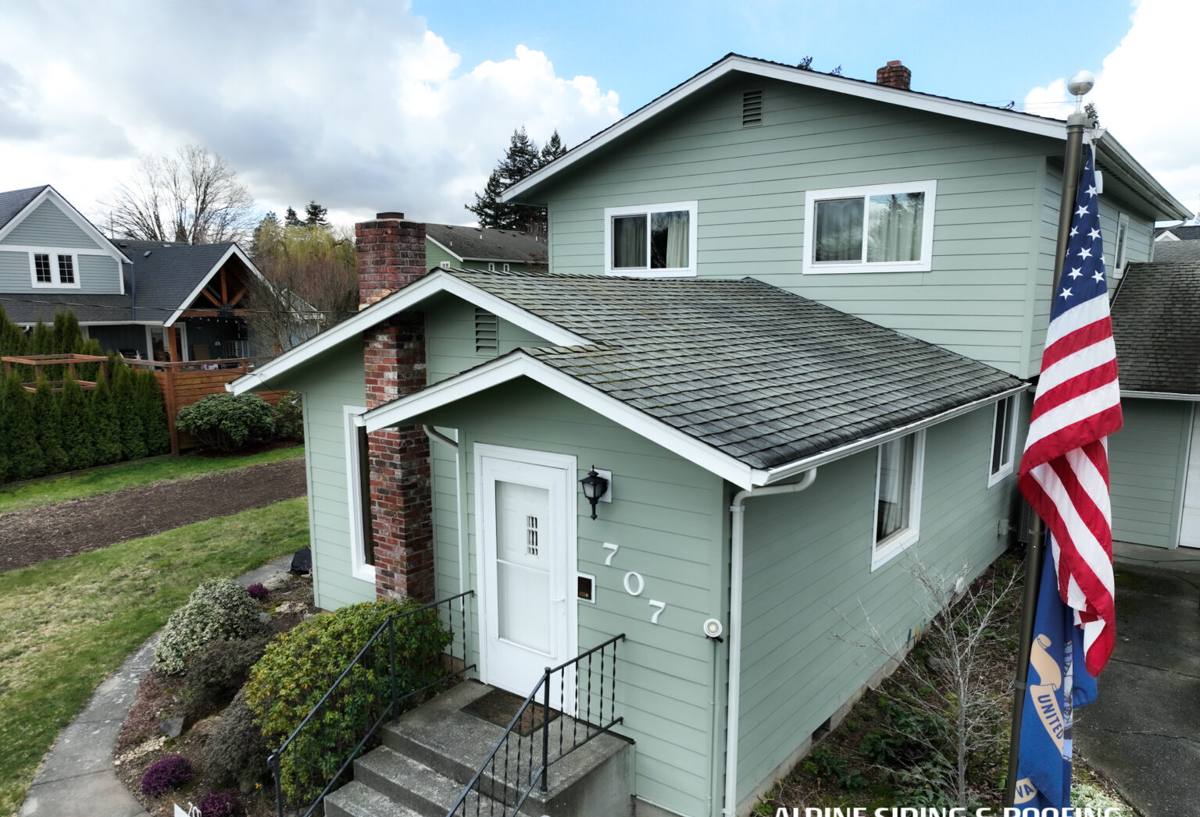
Why Marietta Roofs Wear Differently
Salt Air and Metal Fatigue
Homes within a mile or two of Semiahmoo Bay take in a steady drift of salt-laced moisture. Over time, that air accelerates corrosion on exposed metal — flashing, fasteners, gutter hardware, and vent caps — well before it would fail on a roof twenty miles inland. Corroded flashing is one of the most common repair calls we get in this stretch of Whatcom County, because a pinhole of rust at a valley or chimney flashing is all it takes to start a slow leak that doesn't show up inside the house for months.
Driving Rain and Wind-Driven Water
Storms coming off the Strait of Georgia and Georgia Strait tend to hit this part of the county at an angle rather than straight down. Wind-driven rain finds its way under shingle tabs, around poorly sealed penetrations, and into laps that would shed water fine in a calmer downpour. Roofs here need underlayment and flashing details that account for sideways rain, not just vertical runoff.
Moss Season
Marietta's tree cover and the region's mild, damp winters give moss a long growing window — often eight months or more of conditions where moss can take hold and spread. Moss holds moisture against the roofing surface, lifts shingle edges as it grows, and works its way under shakes and tiles. A roof that looks fine from the ground can have moss already prying up material along the north-facing slopes, where sun exposure is lowest and moisture lingers longest.
What a Correct Roof Repair Actually Involves
A lot of "roof repair" in this area amounts to a quick tar patch over a visible leak. That buys time, but it doesn't address what let the water in, and on a coastal roof that usually means the same spot fails again within a season or two. Our approach starts with finding the actual entry point, which is often several feet away from where the leak shows up inside — water travels along rafters and sheathing before it drips.
A Proper Repair Sequence Looks Like This
- Inspect the full roof plane, not just the reported leak area, including valleys, penetrations, and north-facing slopes where moss and moisture concentrate
- Remove and replace damaged or saturated roofing material back to sound decking
- Check the sheathing underneath for soft spots or rot before closing anything back up
- Replace corroded or failing flashing at valleys, chimneys, skylights, and wall intersections
- Re-seal and re-fasten penetrations — vent boots, pipe collars, and mounting hardware — with materials rated for coastal exposure
- Clear moss and debris from the surrounding area so the repair isn't undermined again within a year
- Confirm proper water shedding at laps and transitions before calling the job done
Skipping the sheathing check is where a lot of repairs go wrong. If the deck underneath has softened from prolonged moisture, new shingles laid over it will fail again — sometimes faster than the original roof did, because the structure underneath is already compromised.
Common Roof Repair Situations We See in Marietta
| Issue | What Causes It Here | Typical Fix |
|---|---|---|
| Leak at valley or chimney | Corroded flashing from salt air exposure | Remove and replace flashing, check decking underneath |
| Lifted or curling shingles | Wind-driven rain forcing water under tabs | Re-secure or replace affected shingles, reseal edges |
| Soft or spongy roof deck | Long-term moisture intrusion, often moss-related | Cut out and replace sheathing before re-roofing that section |
| Moss buildup on shakes or shingles | Shade, moisture, and Whatcom County's long wet season | Careful removal, zinc or copper strip installation, treatment |
| Rusted fasteners or vent hardware | Direct salt air exposure near the bay | Replace with corrosion-resistant fasteners and flashing |
| Interior water stains with no visible roof damage | Water traveling along rafters from a distant entry point | Full-plane inspection to trace the actual source |
Repair vs. Replacement — Making the Honest Call
Not every damaged roof needs to come off. But if a roof in the Marietta area is already fifteen-plus years into its service life and showing multiple failure points — corroded flashing in several places, moss damage on more than one slope, soft decking in more than one spot — patch repairs stop being cost-effective. We'll tell you plainly when a roof is at that stage rather than stacking repairs on a roof that's genuinely done. Our standard is to recommend whichever option actually solves the problem, not whichever job is bigger.
Signs a Repair Is Still the Right Call
- Damage is isolated to one or two areas rather than spread across the whole roof
- The roofing material itself still has useful life left once moss and debris are cleared
- Decking underneath the damaged section is sound once exposed
- Flashing failures are localized rather than showing corrosion throughout
- The roof is less than roughly two-thirds through its expected service life for its material type
Our Process for Marietta Roof Repair Calls
We start with an on-site inspection, not a phone estimate — coastal roofs hide too much for that to be honest. We walk the roof, check the attic or crawlspace from the interior side when accessible, and photograph what we find so you can see exactly what we're describing, not just take our word for it. From there we give you a written scope: what's damaged, what's causing it, and what it takes to fix it correctly.
If it's a straightforward flashing or shingle repair, we can often complete the work same-visit or within a day or two. If we find sheathing damage or moss that's spread further than expected, we'll walk you through what that adds to the scope before starting — no mid-job surprises on price or timeline. All repair work is scheduled around Whatcom County's weather windows, since sealing a roof properly requires dry conditions to cure right, and we're not going to seal over damp material just to hit a schedule.
Why a Crew That Already Works Marietta Matters
Roofing crews unfamiliar with this stretch of coastline tend to under-spec materials and flashing details that would be fine forty miles inland but don't hold up here. A contractor who works Marietta and the broader Semiahmoo area regularly already knows which fastener grades resist the salt air, which flashing details actually shed wind-driven rain, and which north-facing roof sections are going to need moss attention before it becomes structural damage. That local pattern recognition shortens the inspection, sharpens the diagnosis, and means fewer callbacks because the repair was built for the actual conditions instead of a generic checklist.
It also means we're not learning the neighborhood on your dime. We've seen how houses along this part of Drayton Harbor and Semiahmoo Bay age, what their roofs typically need by year ten and year twenty, and where the moisture problems tend to start. That's the kind of context that turns a repair from a temporary patch into a fix that actually holds.
Maintenance Between Repairs
A roof repair lasts longer when it's not fighting the same conditions that caused the original damage. A few habits go a long way for homes in this area:
- Clear moss at least once a year, more often on shaded, north-facing slopes
- Keep gutters clear so water isn't backing up under the roof edge during heavy rain
- Trim back overhanging branches to reduce shade and debris buildup that feeds moss growth
- Have flashing and fasteners checked every few years given the accelerated corrosion rate this close to the bay
- Address small leaks immediately — on a coastal roof, small problems compound faster than they would inland
Get a Straightforward Look at Your Roof
If you're dealing with a leak, visible moss, or just want an honest read on what condition your roof is really in, we're glad to take a look. We'll give you a free, no-pressure estimate — what we find, what it means, and what it would take to fix it right. Use the form below to get started.