 Semiahmoo
 Composite Decking Built for Semiahmoo Resort's Marine Climate
Semiahmoo Resort sits right on the water in northern Whatcom County, and that location is exactly why a deck out here takes more abuse than the same deck would forty miles inland. Salt-laden air off Semiahmoo Bay and Drayton Harbor, near-constant onshore moisture, and a moss and algae season that can run eight months out of the year all work against wood decking. Composite decking, installed correctly, is one of the better answers to that combination — but "installed correctly" is doing a lot of work in that sentence. A composite deck that's framed and fastened the same way you'd frame one in a dry inland climate will disappoint an owner here within a few seasons. This page walks through what the Semiahmoo Resort environment actually does to a deck, what a correct composite installation looks like in response, and how we handle the job from estimate to finished product.
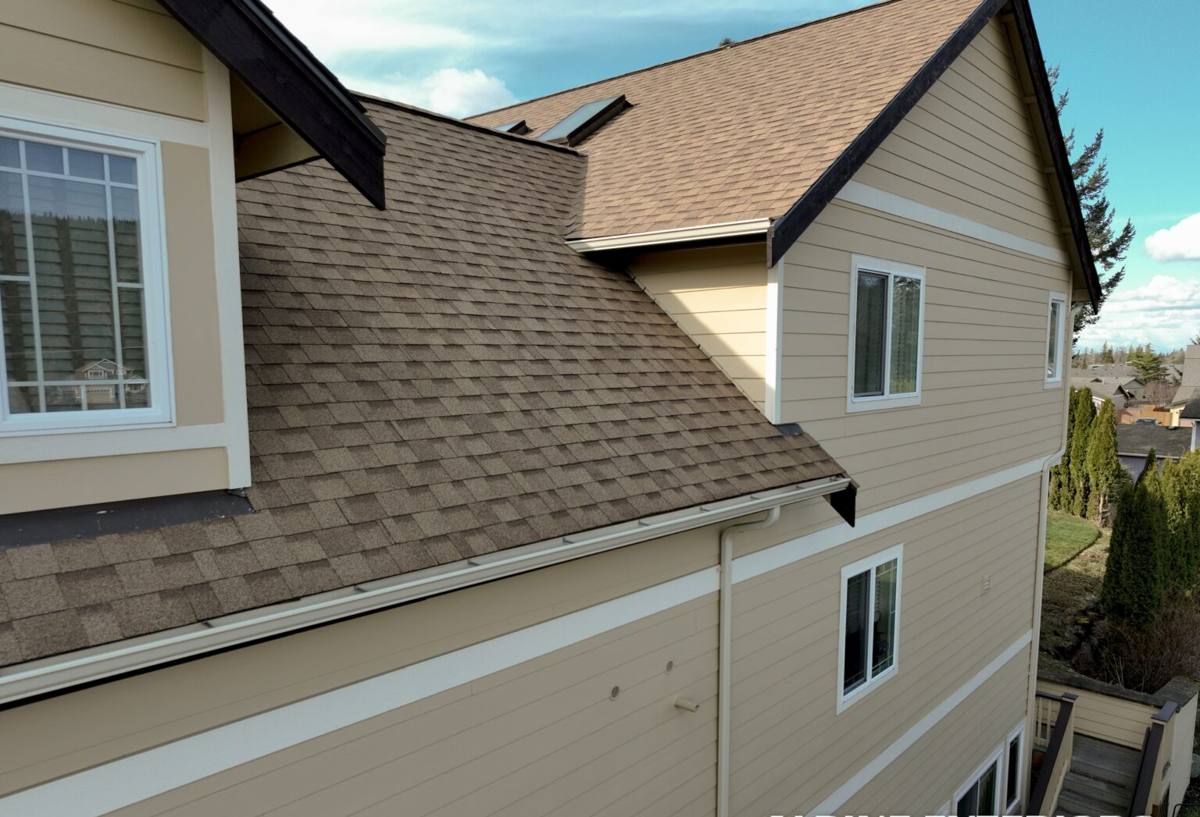
What This Climate Actually Does to a Deck
It helps to be specific about the mechanisms at work, because they drive every decision in the build.
Salt Air and Hardware
Airborne salt from the bay accelerates corrosion on any fastener, bracket, or connector that isn't rated for it. Standard zinc-coated deck screws and joist hangers can start showing rust streaks and pitting well before a wood deck's boards would even need replacing. Once a fastener starts to corrode, it loses holding strength quietly — you don't see it until a board lifts or a railing post wiggles. In a marine setting like Semiahmoo Resort, hardware selection isn't a cosmetic choice, it's a structural one.
Driving Rain and Water Management
Storms coming off the Strait of Georgia and the Salish Sea tend to arrive sideways, not straight down. That means water gets driven under railings, into ledger connections, and along the underside of boards in ways a calmer climate never tests. A deck that isn't detailed for driving rain will trap water at the house connection, at post bases, and in any gap where boards weren't pitched to shed it. Wood tolerates a mistake here for a while because it dries out between storms. Composite boards don't rot, but the framing underneath them still can if water is allowed to sit against it.
Moss, Algae, and a Long Wet Season
Whatcom County's damp, mild winters and shaded, shoreline settings around Semiahmoo Resort are ideal moss and algae conditions — surfaces that stay wet and shaded for long stretches will grow something on them, whether that's wood, composite, or concrete. The difference is how much of a foothold the surface gives that growth and how easily it comes off. Board texture, gap spacing, and airflow underneath the deck all affect how fast moss establishes and how much scrubbing it takes to remove.
Comparing Decking Materials for a Waterfront Property
Homeowners considering decking here usually weigh three options. None of them is wrong in every case — it depends on budget, how much upkeep you want to do, and how long you plan to own the property.
| Factor | Wood (cedar/treated) | Capped Composite | PVC |
|---|---|---|---|
| Upfront cost | Lowest | Mid-range | Highest |
| Salt air / corrosion risk | Fasteners and hardware corrode; wood itself is unaffected by salt but fasteners are the weak point | Low, if marine-rated hardware is used | Low, if marine-rated hardware is used |
| Moss/algae resistance | Grows readily, especially on shaded or north-facing sections | Better with a capped, textured surface; still needs periodic cleaning | Similar to capped composite; smooth surfaces shed moss slightly easier |
| Annual maintenance | Cleaning, sealing/staining every 1-2 years | Occasional washing, no sealing/staining | Occasional washing, no sealing/staining |
| Expected board lifespan | 10-15 years in this climate with upkeep | 25-30 year manufacturer warranties are common | 25-30+ year manufacturer warranties are common |
| Feel underfoot in cool/damp weather | Warmer, more traditional feel | Can run cooler and firmer than wood | Similar to capped composite |
We install both wood and composite decking, but for a property exposed to Semiahmoo Bay's air and weather, we steer most owners toward capped composite or PVC unless they specifically want the look and feel of real wood and are prepared for the maintenance schedule that comes with it. That's not a knock on wood — it's an honest trade-off between upfront cost, ongoing labor, and how the material behaves in salt air over a decade or more.
What a Correct Composite Installation Involves Here
The composite boards themselves are only part of the job. Most composite deck failures we get called to inspect trace back to the framing and hardware underneath, not the decking material.
Substructure and Joist Spacing
Composite boards typically require tighter joist spacing than wood — usually 12" on-center for standard installation, sometimes tighter for diagonal patterns or picture-framed borders. We follow the manufacturer's span tables for the specific product being installed rather than reusing whatever spacing the old wood deck happened to have, because composite has different flex characteristics than wood.
Marine-Rated Fasteners and Connectors
Given the salt exposure around Semiahmoo Resort, we use stainless steel or otherwise corrosion-rated fasteners, joist hangers, and structural screws rather than standard coated hardware. It costs more up front. It's also the single biggest factor in whether the frame underneath a composite deck is still sound in fifteen years.
Ledger Attachment and Flashing
Where the deck meets the house is the highest-risk water intrusion point on any deck, and it's the detail driving rain punishes hardest. Proper flashing at the ledger board — installed so water sheds away from the house rather than behind the siding — is non-negotiable, especially in a climate that gets sideways rain regularly.
Drainage and Airflow Underneath
We grade and vent the space under the deck so water doesn't pool against joists or posts, and we leave board gapping per manufacturer spec so water actually drains through the surface instead of sitting on top of it. Both of these choices also slow down moss and algae growth, since standing water and stagnant air are what moss needs to establish.
Railings, Fascia, and Trim
Post bases and railing connections are another spot where trapped water and corroding hardware cause problems years down the line. We detail these connections the same way we detail the ledger — sealed, drained, and fastened with corrosion-rated hardware — rather than treating them as a cosmetic afterthought.
How Our Process Works
- Site visit and assessment. We look at sun/shade exposure, proximity to the water, existing structure (if replacing an old deck), and drainage around the foundation.
- Material selection. We walk through board options, colors, and railing systems suited to a marine environment, and give you an honest read on which fits your budget and maintenance preferences.
- Written estimate. Scope, materials, hardware spec, and timeline in writing before any work starts — no verbal-only agreements.
- Demo and framing. If replacing an existing deck, we inspect the substructure once it's exposed; rot or undersized framing gets flagged and addressed before decking goes down, not covered up.
- Installation. Framing to manufacturer span spec, marine-rated hardware, proper ledger flashing, correct board gapping, and clean fastener lines.
- Final walkthrough. We go over the finished deck together, including basic care so it stays looking right through its first few wet seasons.
Choosing Boards for This Specific Environment
Not every composite product is built the same. For homes in and around Semiahmoo Resort, we generally recommend boards with a full polymer cap on all sides (not just the top face), since a fully capped board resists moisture absorption at the edges — the spot where lower-grade composite boards are most likely to show swelling or delamination over time in a wet climate. Textured, low-sheen finishes also tend to hide the light surface film that moss and algae leave behind better than very smooth or high-gloss boards. We can walk you through actual product samples and warranty terms during the estimate rather than steering you toward one label — the right board depends on your budget and how the deck will be used.
Maintenance in a Salt Air, Moss-Prone Climate
Composite decking is lower-maintenance than wood, not maintenance-free. A simple seasonal routine keeps a Semiahmoo Resort deck looking and performing the way it should:
- Rinse the deck surface periodically to clear salt residue and organic debris before it builds up in board grooves
- Sweep or hose off moss and algae as soon as it appears, using a soft-bristle brush rather than a pressure washer set too aggressively
- Keep gutters and downspouts near the deck clear so runoff isn't dumping extra water onto the deck surface
- Check railing posts and fasteners once a year for early signs of corrosion or looseness
- Trim back overhanging vegetation to reduce shade and improve airflow, which slows moss regrowth
- Clear leaves and debris from between boards and off the substructure below, especially heading into fall
Why It Matters That We Already Work in Semiahmoo Resort
Building a deck to a generic spec sheet and building one for a specific bay-front property in Whatcom County are two different jobs, even when the same product goes down on top. A crew that already works this shoreline knows which exposures take the worst of the driving rain, where salt air does the most damage to hardware, and how much airflow a given lot actually gets before moss becomes a maintenance headache. That local pattern recognition shows up in small decisions — hardware grade, board gapping, where the flashing details need extra attention — that a spec sheet alone won't flag. It's also worth asking any contractor bidding a deck here how they handle ledger flashing and fastener selection specifically for a marine environment; the answer tells you a lot about whether they've actually built decks that hold up on this stretch of coastline or just decks in general.
If you're planning a new deck or replacing an aging one at your Semiahmoo Resort property, we're glad to take a look and put together a straightforward, no-pressure estimate. Use the form below to get started.