 Semiahmoo
 Why Siding Takes More Punishment on the Semiahmoo Spit
Semiahmoo Resort sits out on a narrow spit with water on multiple sides — Drayton Harbor on one flank, Semiahmoo Bay and Boundary Bay reaching toward the Canadian border on the other. That location is a big part of what makes the resort community beautiful, and it's also exactly why exterior siding here works harder than it does a few miles inland. Salt-laden air moves across the property almost constantly, wind comes off open water with little to slow it down, and the surrounding tree cover keeps shaded walls damp for long stretches of the year. None of that is unique to any one house in the community — it's the baseline condition every home on the spit is built to handle, whether the siding was installed with that in mind or not.
Three factors do most of the damage over time. Salt air accelerates corrosion on exposed fasteners and metal trim, and it breaks down lower-grade paint and coatings faster than a typical inland Whatcom County location. Wind-driven rain off the water doesn't just wet the surface of a wall — it gets pushed sideways and upward into laps, seams, and trim joints that would stay dry in calmer conditions. And the long stretch of gray, wet months common to this corner of the county keeps north- and tree-shaded walls damp for days at a time, which is exactly the environment moss and mildew need to take hold. Any one of these factors is manageable. All three together, on a house that catches wind straight off the bay, is what separates a siding job that lasts decades from one that needs attention in five or six years.
What a Correct Installation Has to Get Right Here
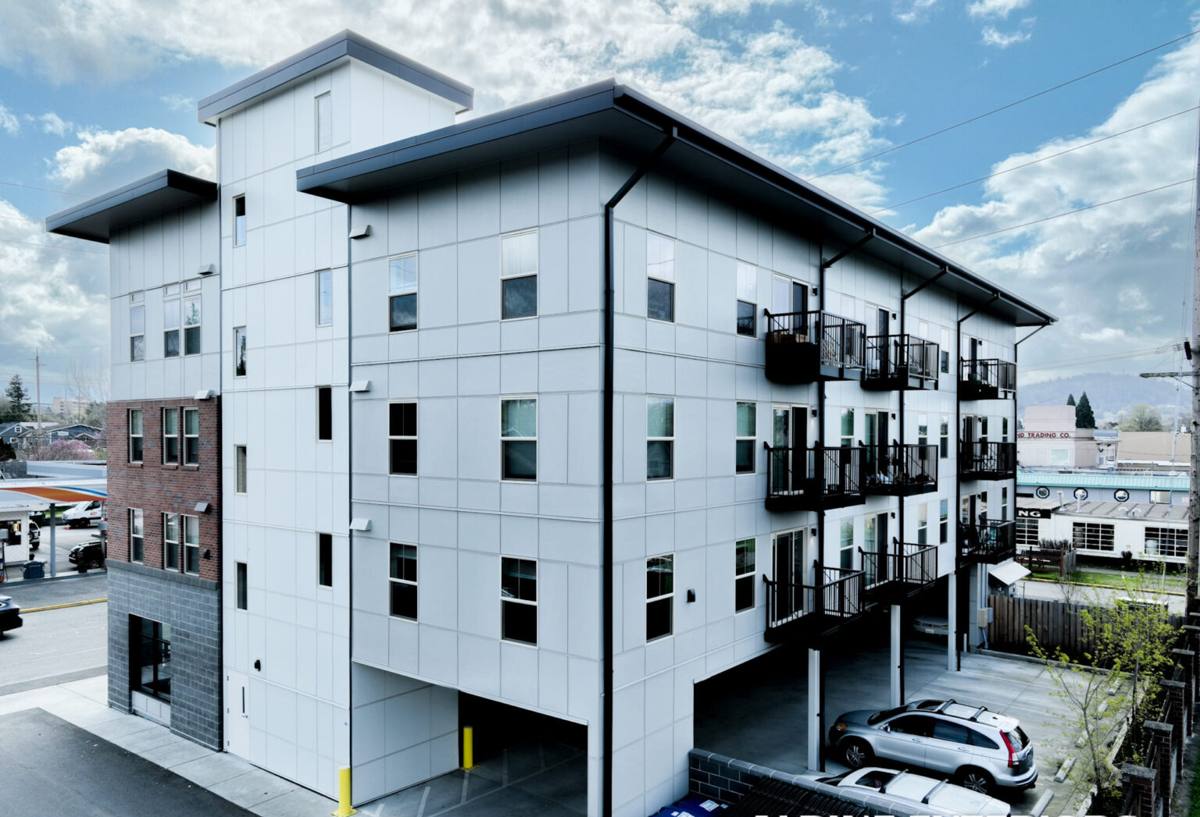
Siding is a system, not a single layer. The board or panel on the outside is the part everyone sees, but the water management behind it is what actually determines how the wall performs in this climate. A crew that's used to easier, more sheltered sites can put up siding that looks correct and still fail within a few years on a property exposed the way Semiahmoo Resort homes are.
Water management behind the siding
Every installation needs a properly lapped weather-resistant barrier, correctly integrated flashing at every window, door, and roof-to-wall transition, and a drainage path for any moisture that does get behind the cladding — because on a wind-exposed site, some always will. Where budget and wall assembly allow, a rainscreen gap between the siding and the wall behind it gives that moisture somewhere to go and lets the wall dry out between storms instead of staying wet.
Fastening for wind exposure
Fastener type, spacing, and embedment all matter more on an open, wind-exposed site than they do on a sheltered inland lot. Under-fastened or improperly placed nails are one of the most common causes of siding failure in coastal wind zones — panels work loose, laps open up, and water finds its way behind the cladding at exactly the points it's supposed to be kept out.
Trim, caulking, and penetrations
Every place something penetrates the siding — a hose bib, a light fixture, a vent — is a place water can get behind it if it isn't detailed correctly. On a house that takes wind-driven rain regularly, these small details are not cosmetic; they're the difference between a wall assembly that sheds water and one that traps it.
Why We Only Install James Hardie Fiber Cement
We install James Hardie fiber cement siding exclusively — we don't put up vinyl, LP SmartSide, Cemplank, Allura, or primed wood products, and that's a deliberate standard, not a lack of options. Vinyl siding can warp, buckle, or crack under sustained wind loading, and its overlapping panel system relies on gaps that are more forgiving of wind-driven rain in sheltered locations than they are on an open, water-exposed site. Wood and primed-wood products need a repainting cycle to stay protected, and in a climate with this much sustained moisture and shade, that maintenance window gets shorter, not longer.
James Hardie's fiber cement is non-combustible, dimensionally stable, and engineered in specific product lines for different climate demands — the HZ5 formulation used in this region is built for the wetter, more variable weather of the Pacific Northwest. The factory-applied ColorPlus finish is baked on under controlled conditions rather than field-painted, which gives it better fade and moisture resistance than a site-applied coat, and it carries a strong transferable warranty backed by the manufacturer. None of that guarantees performance on its own — installation quality still does most of the work — but it gives a wind- and salt-exposed home like the ones on the Semiahmoo spit a real head start.
Climate Factors and What Correct Installation Does About Them
| Climate Factor | Effect on Siding | What a Correct Install Does |
|---|---|---|
| Salt-laden air off the bay | Corrodes exposed fasteners and lower-grade trim; degrades weak coatings faster | Corrosion-resistant fasteners, factory-finished ColorPlus siding, fully trimmed and caulked penetrations |
| Wind-driven rain | Forces water sideways and upward into laps, seams, and trim joints | Correct lap exposure, integrated flashing, rainscreen drainage gap where the wall assembly allows it |
| Long, shaded moss season | Keeps north-facing and tree-shaded walls damp, feeding moss and mildew growth | Proper siding clearance from grade and roof lines, ventilation gap behind cladding, durable factory finish that resists staining |
| Sustained coastal wind loading | Loosens under-fastened panels over time, opening gaps for water intrusion | Fastener spacing and embedment matched to wind exposure, not just minimum code |
Our Installation Process for Semiahmoo Resort Homes
- Site assessment. We look at the home's specific exposure — how much direct wind and salt spray it takes, which walls stay shaded, and where the existing siding or trim shows early wear.
- Removal and sheathing inspection. Once the old siding comes off, we check the sheathing and framing underneath for moisture damage before anything new goes up. This is the point where hidden problems get found and fixed, not covered over.
- Weather barrier and flashing. A correctly lapped weather-resistant barrier goes on first, with flashing detailed at every window, door, and transition before any siding is installed.
- Hardie installation. Panels or planks go up with fastening matched to the site's wind exposure, correct lap spacing, and tight, properly caulked trim work at every joint and penetration.
- Final inspection and cleanup. We walk the completed job looking specifically for the details that matter most in this climate — sealed penetrations, consistent lap lines, and drainage paths that are actually clear.
What Drives Cost for a Semiahmoo Resort Siding Project
| Cost Factor | Why It Matters |
|---|---|
| Total square footage and home height | More wall area and taller elevations mean more material and more labor, including staging for upper stories |
| Condition of existing siding and sheathing | Hidden moisture damage found during tear-off has to be repaired before new siding goes on |
| Trim, window, and roofline complexity | More corners, penetrations, and transitions mean more detail work per square foot |
| Wind and salt exposure of the specific site | Homes facing open water directly often warrant additional fastening and flashing attention beyond a minimum-code install |
| Siding profile and color selection | Panel size, lap style, and ColorPlus color all factor into material cost |
Choosing a Siding Crew That Actually Works This Area
A siding contractor who mostly works sheltered, inland neighborhoods isn't automatically wrong for a Semiahmoo Resort project, but they should be able to speak specifically to how they'll handle wind exposure, salt air, and moisture management on a spit property — not just describe a generic installation. Before hiring anyone, it's worth asking directly:
- Have they installed siding on other wind- and water-exposed properties in Whatcom County, not just inland homes?
- Are they a certified James Hardie installer, and can they explain which product line and HardieZone rating they'd use for this site?
- Will they inspect the sheathing before installing new siding, and what happens if they find moisture damage?
- Do they detail flashing and fastening differently for a wind-exposed wall versus a sheltered one, or is it the same approach everywhere?
- Are they licensed, bonded, and insured to work in Washington, and will they put the scope of work in writing?
- Do they handle the local building permit, or is that left to the homeowner?
A contractor who answers these questions with specifics — not generalities — is one who's actually thought about how this site is different from an easier job across town.
Keeping Hardie Siding Looking Right in a Salt-Air, Moss-Prone Climate
Correct installation does most of the work, but a little ongoing attention keeps a Semiahmoo Resort home's siding performing the way it's supposed to for the long haul. Rinsing salt residue and airborne grime off exterior walls periodically — especially on elevations that face the water directly — keeps it from building up on the finish. Keeping trees and shrubs trimmed back from shaded walls improves airflow and cuts down on the damp conditions that let moss and mildew take hold. Gutters and downspouts should stay clear so runoff isn't dumping extra water down a wall face during heavy storms, and it's worth doing a walk-around every year or two to check that caulking at trim joints and penetrations hasn't cracked or pulled away. None of this is difficult work, but skipping it is how a well-installed siding job starts showing problems years earlier than it should.
Ready When You Are
If siding on your Semiahmoo Resort home is showing its age — or you'd rather replace it now with a product actually built for this kind of exposure than wait for a problem to show up — we're happy to take a look and walk you through what we'd recommend and why. Reach out for a free, no-pressure estimate using the form below.