 Semiahmoo
 Siding Replacement Built for Cherry Point's Coastline
Cherry Point sits right where the Strait of Georgia meets Whatcom County's shoreline, and that location shapes everything about how siding ages here. Homes get a steady dose of salt-laden air off the water, wind-driven rain that hits walls sideways instead of straight down, and long stretches of gray, damp weather that keep exterior surfaces wet for days at a time. Add the shade from mature evergreens common on rural and waterfront lots, and you've got conditions that grow moss and algae on siding faster than almost anywhere else in the state.
None of that is a reason to panic about your siding — it's a reason to be deliberate about what you replace it with and how the job gets done. We've replaced siding on homes throughout the Semiahmoo area, including Cherry Point, and we've seen firsthand which products and installation habits hold up out here and which ones don't.
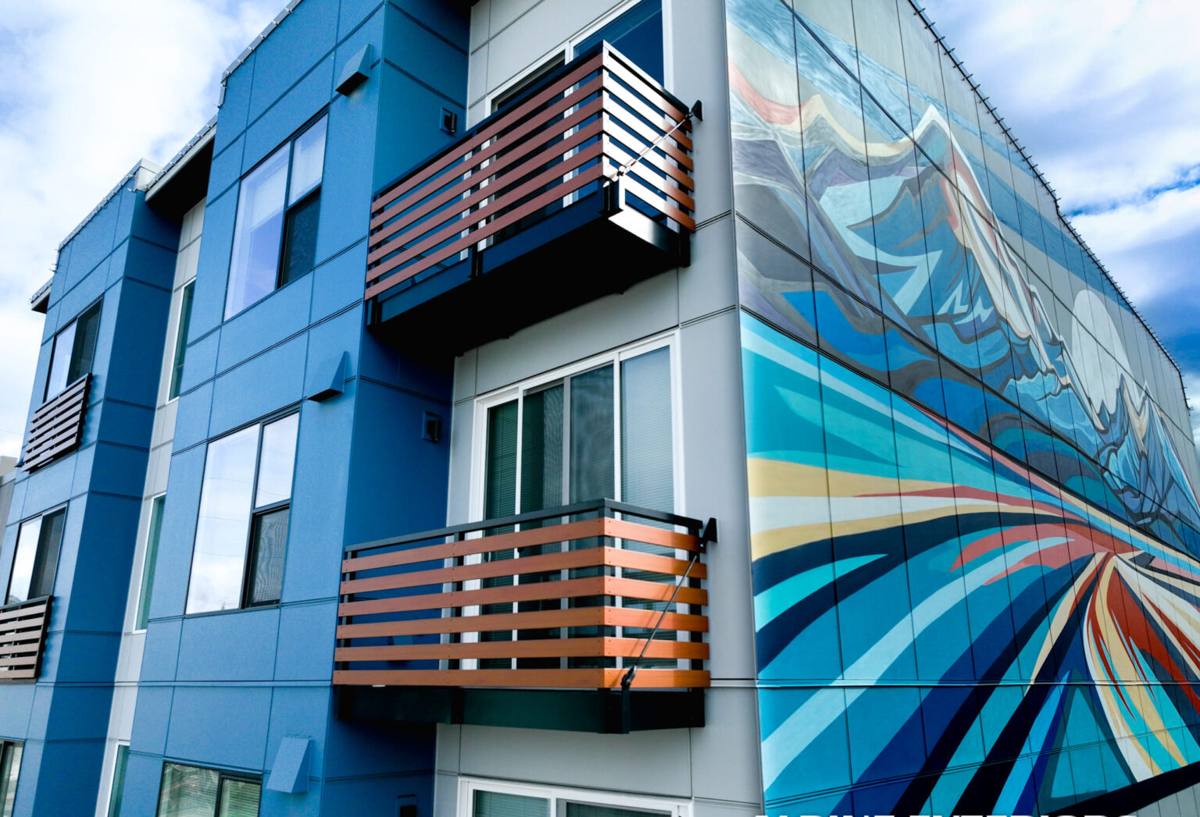
What Cherry Point's Climate Actually Does to Siding
Salt Air and Corrosion
Airborne salt doesn't just affect metal fasteners and flashing — it accelerates the breakdown of paint films and can work into porous or poorly sealed siding materials over years of exposure. Fastener choice and flashing detail matter more here than in an inland neighborhood twenty miles away.
Driving Rain and Wind-Loaded Walls
Cherry Point's exposure to the Strait means wind-driven rain regularly hits walls at an angle, pushing moisture up under laps and around penetrations that would stay dry in a more sheltered spot. Siding that depends on gravity alone to shed water — rather than proper lap engineering and a functioning drainage plane behind it — is more likely to let moisture in here.
The Long Moss Season
Whatcom County's wet season runs long, and on shaded or north-facing walls near Cherry Point, siding can stay damp for extended stretches between dry spells. That's exactly the environment moss, algae, and mildew need. Some siding materials resist this better than others, and paint quality plus proper ventilation behind the cladding both play a role in how much maintenance you're signing up for.
Signs Cherry Point Homeowners Should Watch For
- Soft or spongy spots when you press on the siding, especially near the bottom courses or around windows
- Persistent green or black staining that comes back quickly after cleaning
- Paint that's chalking, peeling, or bubbling — often worse on the weather-facing (typically west or southwest) walls
- Visible gaps, warping, or cupping in individual boards or panels
- Rising energy bills that suggest air and moisture are getting past the exterior wall assembly
- Caulk that's cracked, shrunk, or pulled away from trim and siding joints
Any one of these on its own might just need a repair. Several at once, especially on a home that's fifteen-plus years old, usually points to a siding system that's reached the end of what patching can fix.
Why We Only Install James Hardie in This Area
We standardized on James Hardie fiber cement siding for every job we take on, including here in Cherry Point, and the climate is a big part of why. Hardie's HZ5 product line is engineered specifically for cold, wet, coastal Pacific Northwest exposure — it's not a generic product stretched to fit every region. Fiber cement is non-combustible, doesn't rot, and doesn't provide the food source that mold and algae need the way some wood-based or wood-fiber products can.
The factory-applied ColorPlus finish is baked on under controlled conditions and backed by its own finish warranty, which matters directly in a salt-air environment where field-applied paint tends to break down faster. We don't install vinyl, LP SmartSide, Cemplank, Allura, or primed wood siding — not because those products have no place in the industry, but because after years of doing this work in Whatcom County's coastal conditions, Hardie's combination of moisture performance, factory finish durability, and long-term warranty backing is what we're willing to put our name behind.
How Hardie Compares for This Climate
| Factor | James Hardie Fiber Cement | Vinyl | Wood-Based (LP/Cedar) |
|---|---|---|---|
| Moisture/rot resistance | Excellent — cement-based, doesn't absorb and swell | Won't rot, but can warp and gap over time | Vulnerable without diligent maintenance |
| Salt air performance | Strong with factory finish | Can chalk and become brittle | Finish breaks down faster near salt air |
| Moss/algae resistance | Good, especially with proper drainage detailing | Moderate — moss grows on surface | Higher risk on wood fiber and cedar surfaces |
| Fire resistance | Non-combustible | Combustible | Combustible |
| Typical repaint/refinish need | Rare, long-life factory finish | N/A, but fades and can't be easily matched | Every 5-10 years |
What Correct Installation Involves Out Here
The siding material is only part of the equation — how it's installed determines whether it actually performs the way it's supposed to for the next 30-plus years. In a wind-driven-rain environment like Cherry Point, we pay close attention to:
- Weather-resistive barrier and drainage plane — a continuous, properly lapped barrier behind the siding gives water a way out if it ever gets past the cladding, which matters more here than in sheltered inland lots
- Flashing at every penetration — windows, doors, hose bibs, light fixtures, and vents all need correctly integrated flashing, not just caulk, because caulk alone fails under sustained wind-driven exposure
- Proper fastener type and placement — corrosion-resistant fasteners driven per manufacturer spec, since salt air is unforgiving of shortcuts here
- Correct clearances — siding held up off decks, patios, and grade per code and manufacturer requirements so it isn't sitting in standing moisture
- Butt joint and corner detailing — sealed and flashed properly so those seams don't become the first failure point in heavy rain
We follow James Hardie's published installation specifications on every job, because those details are also what keeps the manufacturer's warranty valid — a warranty that only protects you if the installation was done correctly.
Our Process for a Cherry Point Siding Replacement
1. On-Site Assessment
We walk the exterior, check for hidden moisture damage behind the existing siding, and look at how the house is oriented relative to prevailing wind and rain to flag any walls that need extra attention.
2. Tear-Off and Sheathing Check
Old siding comes off and we inspect the sheathing underneath. Any rot or water damage gets addressed before anything new goes on — covering up a compromised wall is how problems get worse, not better.
3. Weather Barrier and Flashing
We install a new, continuous weather-resistive barrier and flash every window, door, and penetration before the first piece of siding goes up.
4. Hardie Installation
Siding, trim, and accessories go on to manufacturer spec, with attention to fastener schedule, clearances, and joint treatment.
5. Final Walkthrough
We walk the finished job with you, check every elevation, and make sure the details — caulking lines, trim, paint touch-up — are clean before we call it done.
Cost Factors for Cherry Point Homes
| Factor | Why It Matters Here |
|---|---|
| Home size and wall complexity | More corners, gables, and dormers mean more flashing and labor |
| Existing damage found at tear-off | Rotted sheathing or framing found behind old siding adds repair scope |
| Siding profile and accessories chosen | Lap width, trim style, and color affect material cost |
| Site access | Wooded or waterfront lots can add setup time and staging complexity |
| Removal and disposal of old siding | Volume and type of existing material affects disposal cost |
We give every homeowner a specific, itemized quote after seeing the house in person — broad ranges online rarely hold up once we're looking at the actual condition of your walls.
Why Hiring a Crew That Already Works Cherry Point Matters
Siding installation isn't one-size-fits-all across Washington. A crew that mostly works drier, inland climates may not think twice about details that are non-negotiable out here — like drainage plane continuity or flashing at every penetration. We work this stretch of Whatcom County regularly, so we already know which walls on a typical Cherry Point home take the worst of the weather, how moss tends to establish on shaded elevations, and what it takes to keep a factory finish looking right in salt air. That local pattern recognition shows up in the details — the kind that don't get noticed until years later, when they either held up or didn't.
If your Cherry Point home's siding is showing wear, or you're just planning ahead, we're happy to take a look and walk you through what we see — no pressure, no obligation. Reach out for a free estimate using the form below.