 Semiahmoo
 Why Window Installation Works Differently in Blaine
Blaine sits right on the water at the edge of Whatcom County, with Semiahmoo Bay and Drayton Harbor on two sides and open exposure to wind off the Strait of Georgia. That location is part of why people love living here, and it's also exactly why windows take more abuse in this town than they do twenty miles inland. Salt-laden air corrodes hardware and finishes faster, wind-driven rain gets pushed sideways into gaps that would stay dry in a calmer climate, and the long, wet stretch of the year gives moss and algae months to take hold on sills, tracks, and trim.
None of that means windows can't last decades here. It means the installation has to account for water management and material choice from the start, not as an afterthought. A window that's "close enough" on a calm inland lot can fail years early on a home that catches salt spray and driving rain off the water.
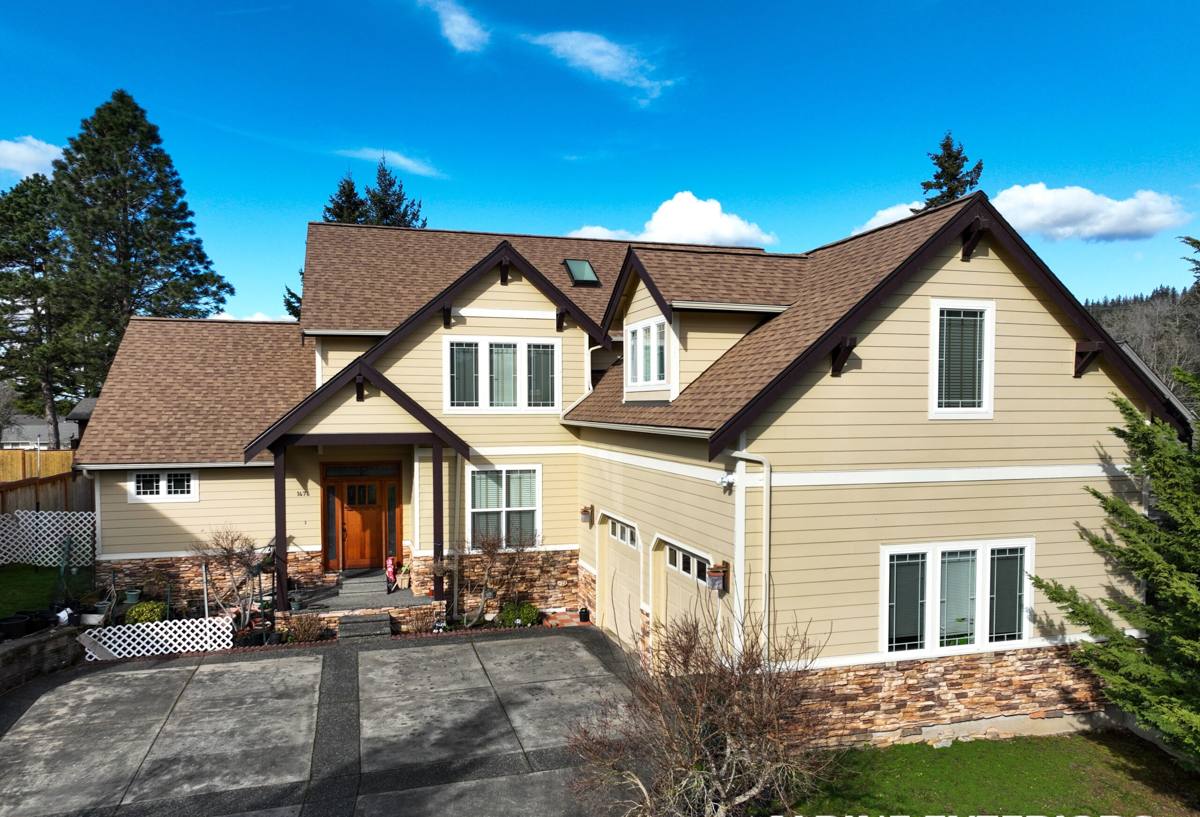
How the Local Climate Shows Up in a Window's Lifespan
We see the same handful of problems repeatedly on homes around Blaine and the Semiahmoo area:
- Corroded balances, locks, and cranks on windows that are otherwise sound, because salt air attacks metal hardware faster than fresh inland air does
- Failed seals and fogged double-pane glass on the wall facing the water, where wind pressure and moisture cycling are worst
- Soft or rotted sills and jambs where moss and organic debris held moisture against the wood or trim long-term
- Wind-driven rain finding its way past old or improperly sealed flashing during winter storms
These aren't defects in "bad" windows so much as normal wear that shows up faster in a marine climate. The fix isn't just swapping in a new unit — it's addressing the water path and material choice so the same failures don't repeat in five years.
What a Correct Window Installation Actually Involves
Anyone can unscrew an old window and screw in a new one. Whether it performs for the next 20-plus years in Blaine's weather comes down to details that aren't visible once the trim goes back on.
Flashing and Water Management
Every window opening needs a sill pan and integrated flashing that ties into the home's water-resistive barrier, so any water that gets past the window itself is directed back out — not into the wall cavity. This matters more here than in drier parts of the state, because wind-driven rain routinely pushes water sideways and upward against a wall, not just straight down. Skipping or shortcutting this step is the single biggest cause of hidden rot behind window openings on older Blaine homes.
Insulation and Air Sealing
The gap between the window frame and the rough opening needs to be sealed and insulated correctly — not overpacked with foam, which can bow a frame out of square, and not left loose, which lets moist air condense inside the wall. Done right, this also cuts down on the drafts and cold spots that make older single-pane or aluminum-frame windows feel so uncomfortable in a Whatcom County winter.
Choosing a Window Built for Whatcom County Weather
Frame material matters more here than in a dry inland climate. Here's how the common options hold up against salt air, driving rain, and a long damp season:
| Frame Material | Salt Air / Moisture Resistance | Maintenance Needed | Best Fit for Blaine |
|---|---|---|---|
| Vinyl | Won't corrode or rot; handles moisture well | Low — occasional rinse and track cleaning | Strong all-around choice, especially near the water |
| Fiberglass | Excellent; very stable in temperature and moisture swings | Low | Great for exposed, wind-facing walls; higher upfront cost |
| Aluminum-clad wood | Good on the exterior face, but any breach exposes wood underneath | Moderate to high | Workable if detailing and upkeep are kept up |
| Bare wood | Weakest in this climate without diligent upkeep | High — regular repainting and sealing | Only for homeowners committed to ongoing maintenance |
| Uncoated aluminum | Prone to corrosion and condensation in salt air | Moderate | Generally not what we recommend this close to the water |
We're not tied to one brand — we install quality units from manufacturers with solid warranty structures and honest performance ratings (look for NFRC labels on U-factor and air infiltration). What we do insist on is a frame and glass package that's actually suited to a marine environment, not just whatever's cheapest at a big-box store.
Our Window Installation Process
- On-site assessment of existing openings, framing condition, and exposure (a wall facing the water gets treated differently than a sheltered side)
- Precise measurements and window selection based on frame material, glass package, and how that opening is exposed to wind and rain
- Careful removal of the old window and inspection of the rough opening for hidden rot or moisture damage before anything new goes in
- Any needed framing or sheathing repair — this is where a lot of installers cut corners, and where problems get expensive later if they don't
- Sill pan and flashing installed and integrated with the existing water-resistive barrier
- New window set, shimmed level and square, and fastened per manufacturer specs
- Insulation and air sealing around the frame, done to allow for normal expansion and contraction
- Exterior trim, caulking, and finish work sealed against wind-driven rain
- Site cleanup and a walkthrough so you understand how the new windows operate and what upkeep they need
Common Mistakes That Cause Leaks and Failures
Most window failures we get called out to fix trace back to a handful of shortcuts, not a bad window itself:
- Caulk used as the only line of defense instead of proper flashing and a sill pan
- Reusing old, brittle flashing tape instead of replacing it during the swap
- Fastening through the frame without shimming it square, which stresses the seals over time
- Ignoring moss and debris buildup on sills and tracks, which holds moisture against the frame and trim
- Installing a window rated for a mild, sheltered climate on a wall that takes direct wind and rain off the water
Our standard is to treat every opening as if it faces the worst weather Blaine sees in a given winter, because on some walls, it does.
What Affects the Cost of Window Installation
| Cost Factor | Why It Matters |
|---|---|
| Number and size of windows | More openings and larger units mean more labor and material |
| Frame material | Vinyl is typically the most affordable; fiberglass and wood cost more upfront |
| Full-frame vs. insert (pocket) replacement | Full-frame allows fixing hidden rot and flashing issues but takes more labor; inserts are faster but only appropriate when the existing frame is sound |
| Existing damage | Rotted framing or sheathing found during removal adds repair cost, but skipping it just moves the cost to a bigger repair later |
| Glass package | Double-pane vs. triple-pane, and low-E coatings, affect both price and comfort/energy performance |
| Access and height | Second-story or hard-to-reach windows take more time and equipment |
We'll always walk you through these factors on your specific home before you commit to anything — there's no reason to pay for triple-pane glass on a sheltered wall, or to skip proper flashing to save a few dollars on an exposed one.
Why Hiring a Crew That Already Works in Blaine Matters
A crew that installs windows all over the state might do fine work in general, but they won't necessarily know which walls in Blaine take the brunt of winter storms off Semiahmoo Bay versus which are more sheltered, or how much moss buildup to expect on a north-facing sill by spring. That local knowledge shapes real decisions — where to spend more on flashing detail, which frame material earns its keep, and what maintenance schedule actually fits this specific stretch of Whatcom County coastline. It also means we're not guessing at permit requirements or typical framing styles in older Blaine-area homes; we've already seen them.
Keeping New Windows Performing in a Salt-Air Climate
A correctly installed window still benefits from some basic upkeep in this environment. A simple seasonal routine goes a long way:
- Rinse frames and glass periodically to clear salt residue, especially on walls facing the water
- Clear weep holes along the bottom track so water can drain instead of pooling
- Remove moss, leaves, and debris from sills and exterior trim before they hold moisture against the frame
- Check exterior caulking and sealant once a year, and touch up anything that's cracked or pulled away
- Inspect for soft spots or staining on interior trim after major windstorms, which can be an early sign a seal needs attention
None of this is complicated, but skipping it is how a good installation still runs into avoidable problems years down the road.
If your Blaine home has windows that fog, stick, feel drafty, or just haven't been touched since the house was built, we're happy to take a look and give you a straightforward, no-pressure estimate — no obligation, just an honest read on what your home actually needs.