 Semiahmoo
 Windows Built for the Semiahmoo Waterfront
Semiahmoo Resort sits on a spit at the very edge of Semiahmoo Bay, which means every window on these homes and condos faces conditions most Whatcom County properties never see. You've got salt-laden air blowing straight off the water, wind-driven rain that hits glass and trim at an angle instead of straight down, and a wet season that runs long even by Pacific Northwest standards. Add in the moss and algae growth that thrives in that shade-and-moisture combination, and window frames, sills, and the flashing behind them take a beating year after year.
We've worked on homes throughout this stretch of coastline, and the pattern is consistent: windows don't usually fail because the glass breaks. They fail because water finds a way behind the frame, sits there, and slowly rots the sheathing or framing nobody can see until a wall feels soft or a sill starts to sag. Correct installation is what prevents that outcome, and it matters more here than almost anywhere else in the county.
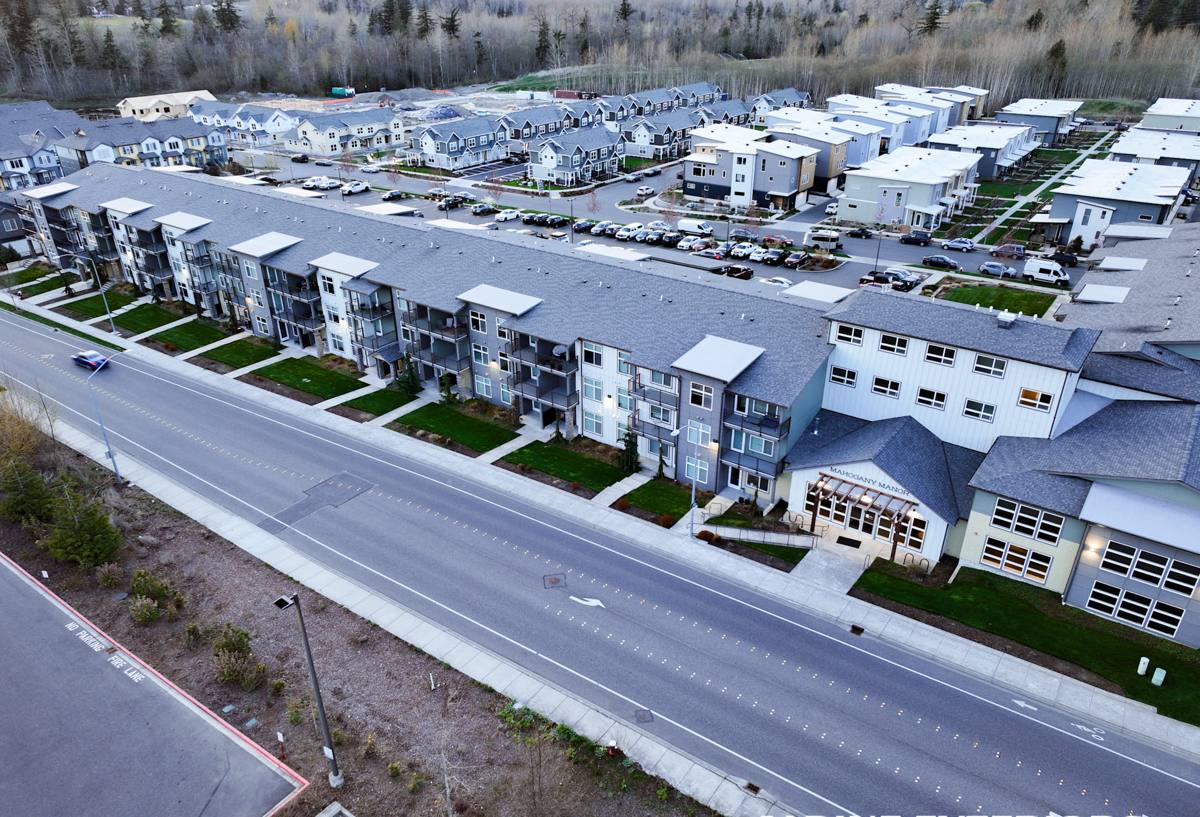
What Semiahmoo's Climate Does to a Window Over Time
Salt Air and Metal Components
Salt air accelerates corrosion on anything metal — window hardware, screen frames, fasteners, and especially the flashing tucked around the window's perimeter. Standard-grade fasteners and flashing that would last decades a few miles inland can start showing corrosion in a fraction of that time this close to the bay. This is a materials decision, not just an installation one.
Driving Rain and Wind Exposure
Because Semiahmoo Resort is so exposed to wind off the water, rain rarely falls straight down here. It's pushed sideways and upward under eaves, against trim, and into any gap in the window's seal. A window that would stay dry in a sheltered inland yard can still take on water at this location if the flashing and sealant details aren't done correctly.
Moss, Algae, and Prolonged Moisture
Whatcom County's wet season already runs long, and the shaded, humid microclimate around the resort keeps surfaces damp even longer. Moss and algae take hold on sills, tracks, and exterior trim, holding moisture against the window frame instead of letting it shed. Over time that constant dampness breaks down caulking, wood trim, and even some composite materials faster than a drier site would.
What a Correct Window Installation Involves Here
A window installation is really two jobs layered together: the window itself, and the waterproofing system that surrounds it. In a location like Semiahmoo Resort, the second job carries at least as much weight as the first.
- Removing the old window and inspecting the rough opening, sill, and surrounding sheathing for hidden rot or soft spots before anything new goes in
- Installing a properly lapped water-resistive barrier and window flashing tape so water sheds outward and down, never inward
- Setting a sloped sill pan so any water that does reach the sill drains back outside instead of pooling
- Using corrosion-resistant fasteners and hardware suited to a marine-influenced environment
- Sealing and caulking with products rated for sustained moisture exposure, not just general-purpose caulk
- Confirming the window is plumb, level, and square before final fastening, so the sash seals evenly for the life of the window
- Reinstalling or upgrading exterior trim so it sheds water and doesn't trap it against the frame
Skip or rush any one of these steps and the window can still look fine on installation day while quietly setting up a leak that shows up two or three winters later.
Our Process for Semiahmoo Resort Properties
1. On-Site Assessment
We start by looking at the existing windows and the wall assembly around them, not just measuring for replacement glass. On waterfront properties this step matters because what's happening behind the siding often tells us more than what we see on the surface.
2. Product Selection
We walk through window and material options with the homeowner honestly, including the trade-offs of each — upfront cost, maintenance over time, and how each option holds up to salt air and constant moisture. We're not going to push a product that looks good on day one and creates a maintenance headache in year three.
3. Removal and Prep
Old windows come out carefully so we can inspect the opening. If we find rot or damage in the framing or sheathing, we flag it and address it before the new window ever goes in — installing a new window over a compromised opening just delays the problem.
4. Flashing and Waterproofing
This is the step that determines whether the installation lasts. We build the water-management layers in the correct order — sill pan, flashing tape, water-resistive barrier integration — so water is directed out and away from the structure, not just caulked over and hoped for.
5. Installation and Finish
The window is set, shimmed, and fastened square, then trimmed and sealed with materials appropriate for a marine-exposed site. We check operation, weep holes, and seals before calling the job done.
6. Walkthrough
We go over the finished work with the homeowner, including any maintenance notes specific to a salt-air, high-moss environment — things like what to check each fall before the wet season sets in.
Choosing Materials That Hold Up on the Bay
| Factor | What Matters at Semiahmoo Resort |
|---|---|
| Frame material | Needs to resist both moisture absorption and salt-driven corrosion of any metal components |
| Hardware and fasteners | Corrosion-resistant grades hold up far longer than standard fasteners this close to the water |
| Glazing and seals | Sealant systems should be rated for sustained wet exposure, not just occasional rain |
| Trim and cladding around the window | Should shed water and resist the moss/algae growth common in shaded, damp corners of the property |
| Flashing details | Properly lapped, sloped, and integrated with the wall's water-resistive barrier — this is where most leaks actually originate |
None of these decisions has to break the budget, but they do need to be made deliberately rather than defaulting to whatever's standard for a drier inland install.
Cost Factors for Window Installation at Semiahmoo Resort
Every home is different, but a few things consistently move the price up or down on projects out here:
- Number and size of windows — larger openings and full-height units cost more in both material and labor
- Condition of the existing opening — if we find rot or moisture damage behind an old window, repair work adds to the scope
- Frame material chosen — options vary in upfront cost and long-term maintenance, especially in a salt-air setting
- Trim and exterior finish work — matching existing siding or upgrading trim around the new window affects labor time
- Access and site conditions — upper-story or hard-to-reach windows on resort properties can add setup time
We give straightforward, itemized estimates so homeowners can see exactly what's driving the number, rather than a flat quote that hides the details.
Why a Crew That Already Works Semiahmoo Resort Matters
General contractors who don't work this coastline regularly often apply standard inland installation practices here — and those practices weren't designed for this level of salt exposure and driving rain. We've handled window projects across this part of Whatcom County long enough to know which details can't be skipped: the flashing sequence, the fastener grade, the trim choices that actually shed water instead of holding it. That local, repeated experience is what keeps a window installation from becoming a callback two or three years down the road.
It also means we're familiar with the practical realities of working on resort and waterfront properties — coordinating around shared access, protecting landscaping and finished surfaces, and getting the job done cleanly without disrupting the property more than necessary.
Signs Your Current Windows Need Attention
- Fogging or moisture between double-pane glass, indicating a failed seal
- Soft or discolored wood trim or sill around the window frame
- Visible corrosion on hardware, tracks, or screens
- Persistent moss or algae buildup on the sill or surrounding trim that keeps coming back
- Drafts or noticeable temperature difference near the window on windy days
- Difficulty opening, closing, or locking the window smoothly
Any one of these is worth a look before it turns into a bigger repair. Catching moisture intrusion early, while it's still confined to the window opening, is far less invasive and costly than dealing with it after it has spread into the wall.
If you own a home at Semiahmoo Resort and your windows are showing their age — or you just want an honest opinion on whether they're holding up the way they should — we're happy to take a look. Reach out for a free, no-pressure estimate using the form below.